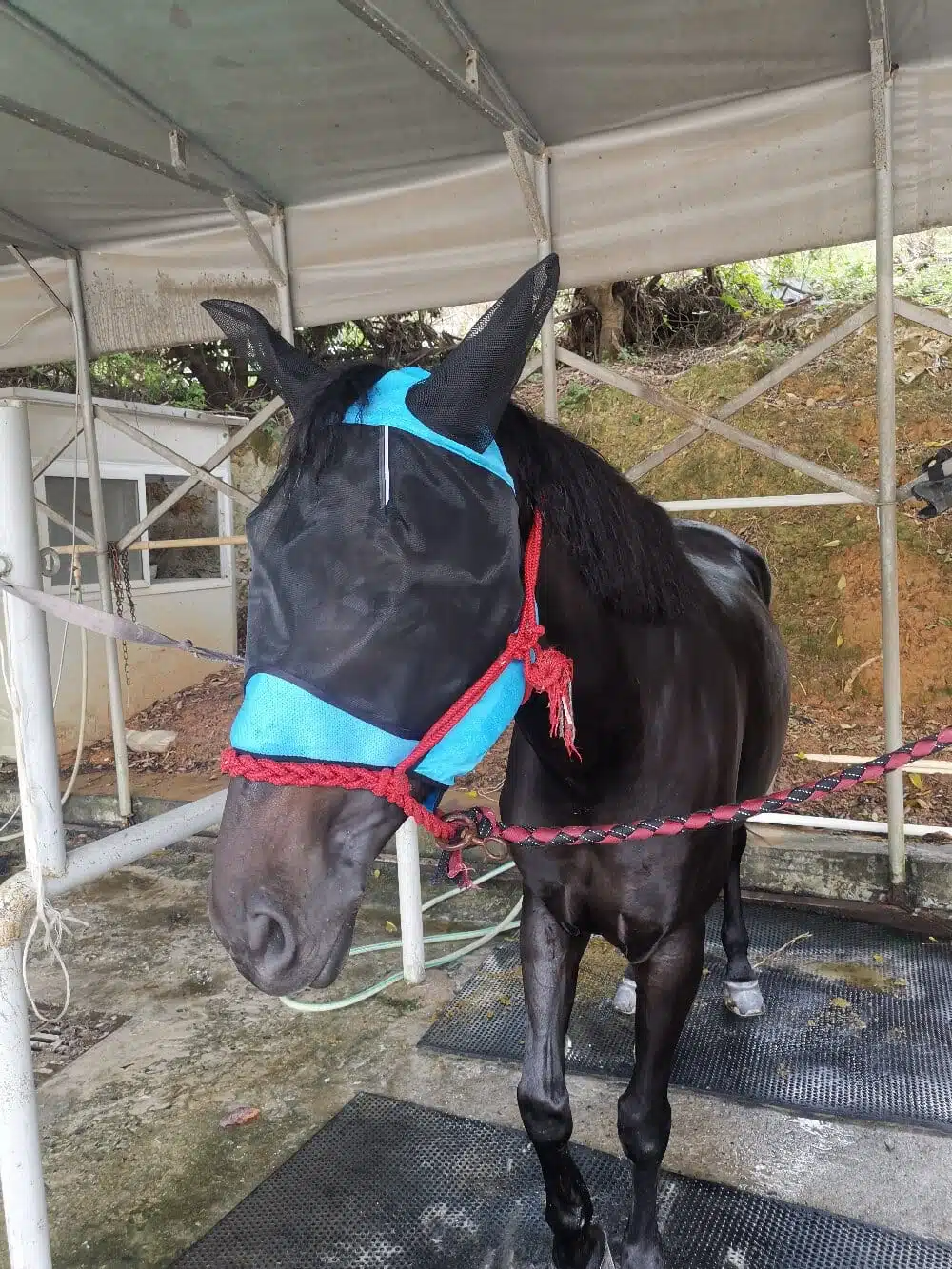

If you have spent any time around the barn this season, you have probably noticed that the modern horse fly mask has evolved far beyond the basic mesh hood of a few years ago. Today’s designs combine advanced fabrics, ergonomic shaping, and thoughtful details that protect your horse from flies, gnats, and UV rays while keeping comfort front and center. Whether you are trail riding, turning out, or managing a sensitive-skinned horse, understanding the latest trends will help you choose a mask that actually stays on, stays comfortable, and does its job.
Smart Fabrics Are Redefining the Horse Fly Mask
The biggest shift in the market is fabric technology. Manufacturers are now weaving finer, stronger meshes that block tiny biting insects without trapping heat. You will find breathable micromesh that allows airflow on hot afternoons, UV-blocking textiles that shield pink-skinned areas from sunburn, and soft binding tapes that reduce rubbing along the edges. Some premium masks even incorporate cooling panels or moisture-wicking liners, which is a game changer for horses that sweat easily or live in humid climates. When you shop, check the denier and weave of the mesh, and look for labels that specify breathability and UV protection rather than assuming all mesh performs the same.
Fit and Ergonomic Features to Look For
Fit remains the single most important factor in whether a fly mask stays in place. The latest generation of masks addresses this with articulated ear openings, fleece-lined brow bands, and adjustable touch-and-close straps that let you fine-tune the fit around the jaw and poll. Removable nose pieces are increasingly popular because they let you extend protection over the muzzle during peak fly season and remove it for grazing or riding. You should also consider lycra stretch panels that move with your horse rather than against it, and reinforced stitching at stress points where cheaper masks tend to tear.
- Fleece or soft-bound edges to prevent rub marks
- Adjustable straps at the poll and jaw for a secure fit
- Ear covers that accommodate different ear shapes
- Removable or extended nose coverage for extra protection
- Reflective trim for visibility during early morning or evening turnout
Matching the Mask to Your Horse’s Lifestyle
Not every horse needs the same level of coverage, and the trend toward specialized masks reflects that reality. If your horse lives out 24/7 in a high-insect area, you will want a full-coverage model with ear and nose protection plus a durable outer shell. For a horse in light work, a streamlined riding-friendly mask with a shorter nose might be more appropriate. Sensitive-skinned horses often benefit from masks with seamless construction and antibacterial liners, while horses with large heads or draft builds need brands that offer extended sizing. Think about your turnout schedule, climate, and your horse’s individual sensitivity before you buy.
Care, Durability, and Value
Even the best mask will fail if you do not maintain it. Most modern fly masks are machine washable in a mesh laundry bag on a gentle cycle, but always check the manufacturer’s instructions first. Rinse off manure and sweat regularly, inspect straps and seams for wear, and rotate between two masks so one can dry while the other is in use. Investing in a quality mask with replaceable parts often costs less over time than repeatedly replacing cheap versions that tear or get lost in the pasture.
Final Thoughts
The latest horse fly mask options give you more control than ever over your horse’s comfort and protection. Focus on breathable, UV-blocking fabrics, a secure and adjustable fit, and features matched to your horse’s turnout routine. With a well-chosen mask and a little routine care, you can keep insects and sun exposure at bay through the whole season.