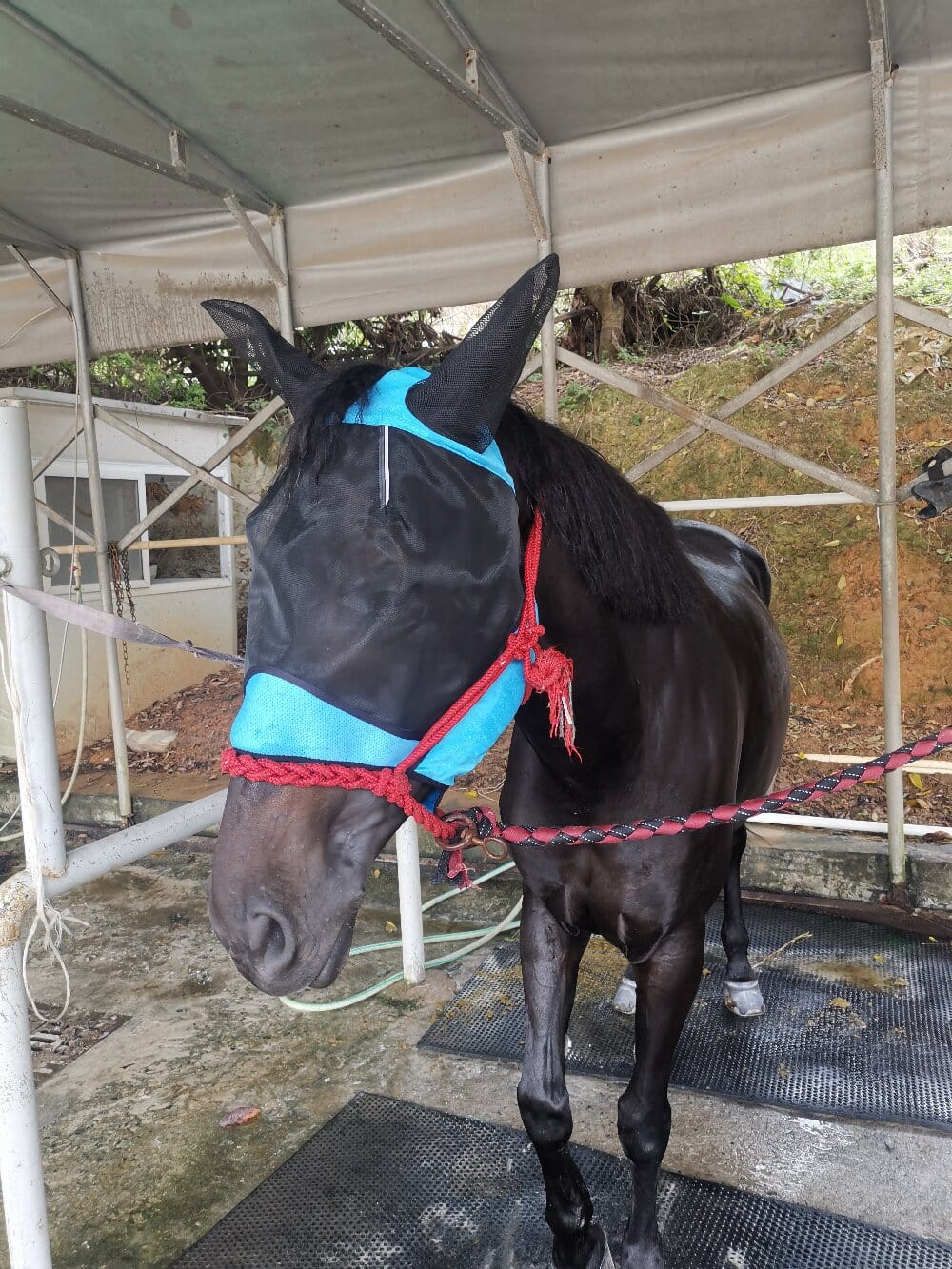
The horse fly mask has quietly evolved from a basic barn staple into one of the most talked-about pieces of equestrian gear this season, and honestly, it is about time. If you have spent any time around horses in the warmer months, you already know the misery that flies can cause, and the latest generation of fly masks is finally catching up with what riders and horse owners actually need. From sleek design upgrades to smarter materials, the fly mask for horses is no longer just a piece of mesh thrown over your horse’s head. It is becoming a genuine welfare tool, and the trends shaping it right now are worth paying attention to.
Smart Fabrics Are Redefining the Horse Fly Mask
The biggest shift I am seeing is in materials. Traditional fly masks relied on basic mesh that blocked some insects but trapped heat and rubbed against delicate skin. Today’s best fly masks for horses are built with breathable, UV-blocking fabrics that keep insects out while letting air flow freely. Some brands are even incorporating cooling gel inserts and moisture-wicking linings, which is a game changer for horses that sweat heavily or live in hot climates.
What I find most exciting is the rise of ergonomic designs. Instead of a one-size-fits-all approach, manufacturers are now shaping masks around real equine head anatomy, with fleece padding at pressure points and adjustable straps that stay put without pinching. For horses with sensitive skin or those prone to rubs, this is a genuine improvement rather than a marketing gimmick.
Trends Driving Demand This Season
Several factors are pushing the fly mask for horses into the spotlight right now:
- Extended fly seasons: Warmer, longer summers mean horses need protection for more months of the year, not just a few weeks in July.
- Growing awareness of UV protection: Owners are increasingly conscious of sun damage, especially on light-skinned horses and those with pink skin around the muzzle and eyes.
- Focus on welfare and comfort: Riders are choosing masks that allow full visibility and natural ear movement instead of stiff, restrictive designs.
- Style meets function: Coordinated colors and patterns are making protective gear something owners actually enjoy shopping for.
The conversation around equine welfare has also raised the bar. Buyers are asking sharper questions about ventilation, fit, and durability, and the market is responding with better products. Social media has amplified this, with owners sharing honest reviews and fit photos that help others choose the right mask for their horse’s head shape.
Choosing the Right Fly Mask for Your Horse
With so many options on the shelf, a little discernment goes a long way. Here is what I recommend focusing on:
- Check the fit first. A mask should sit clear of the eyes and allow full ear movement without slipping.
- Prioritize breathability. Look for fine mesh that blocks insects but still lets heat escape.
- Consider your horse’s workload. Turnout horses may need tougher, more durable masks, while stabled horses can wear lighter versions.
- Look for UV protection if your horse has pale skin or spends long hours in direct sun.
- Wash regularly. A clean mask protects better and lasts longer, so choose one that is easy to launder.
The latest trends clearly favor comfort, visibility, and thoughtful construction over cheap, generic mesh. That is a shift I am happy to see, and it makes shopping for a fly mask for horses far less of a gamble than it used to be.
Final Thoughts
The modern horse fly mask is proof that small pieces of gear can make a big difference in daily equine care. Between breathable fabrics, anatomical fits, and rising awareness of UV protection, today’s masks offer real comfort and genuine relief from flying pests. If you have been using the same old mask for years, this season is the perfect moment to upgrade. Your horse will thank you, and you will wonder why you waited so long.