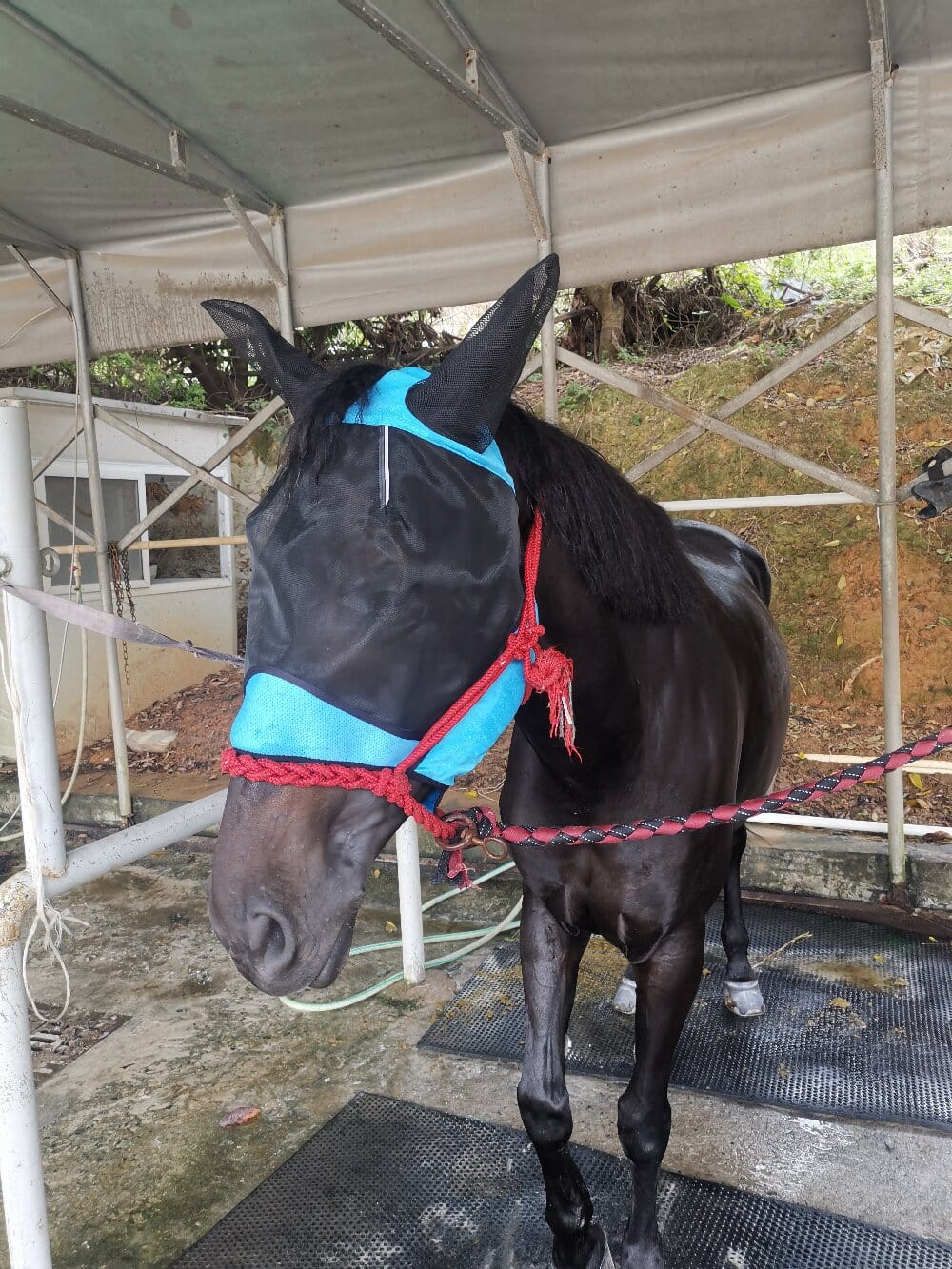
The horse fly mask is poised to evolve from a simple mesh barrier into a sophisticated piece of equine protective technology over the next decade. As warmer seasons lengthen and fly populations expand across many regions, horse owners will increasingly rely on advanced facial coverings to guard against insect-borne irritation and disease. Future designs will combine materials science, smart sensors, and ergonomic engineering to deliver protection that is more effective, comfortable, and data-driven than anything available today.
Manufacturers will likely move beyond conventional nylon mesh toward multilayer fabrics that balance airflow, durability, and visibility. Expect to see self-cleaning textiles that repel dust and moisture, along with UV-reflective weaves that reduce solar heat buildup around the face. Field tests will increasingly favor masks that maintain structural integrity after repeated washing and exposure to mud, sweat, and pasture abrasion.
Fit will remain a central challenge. Future fly masks for horses will benefit from anatomical mapping and flexible frame inserts that keep mesh away from the eyes and eyelashes. Adjustable strap systems will be refined to reduce rub points behind the ears and under the jaw, addressing one of the most common complaints among horse owners. Custom sizing based on facial measurements may become standard, particularly for breeds with distinct head shapes.
Smart Features and Integrated Insect Protection
The next generation of equine fly masks may incorporate passive sensors that monitor temperature and humidity beneath the fabric. While fully electronic masks remain unlikely in turnout settings, lightweight indicators could alert owners when a mask is saturated or poorly ventilated. Slow-release insect repellent technology, embedded in washable fabric layers, is another area of active research and could reduce the need for topical sprays.
Designers will also explore physical deterrents. Fine mesh densities calibrated to block biting midges, stable flies, and face flies without restricting sight will be optimized through entomological research. Ear coverage and nose fringe attachments will become more modular, allowing owners to adapt a single mask to different seasons and fly pressures.
Welfare, Regulation, and Market Outlook
Animal welfare standards are expected to shape product development. Certification programs may emerge to verify breathability, fit tolerance, and field safety, giving buyers clearer guidance when comparing brands. Veterinary input will inform design choices, particularly regarding eye clearance and heat dissipation during hot-weather turnout.
Market growth will be driven by rising awareness of insect-borne conditions and by demand from performance and leisure riders alike. Competitive pricing and broader size ranges should improve access, while premium tiers offer advanced fabrics and modular components. Sustainability will matter too, with recycled polymers and repairable construction likely to feature in marketing and product specifications.
Owners can prepare for these changes by prioritizing fit, ventilation, and regular inspection today. Practical steps include:
- Measuring the horse’s head and checking manufacturer sizing charts before purchase.
- Inspecting mesh and straps daily for wear, rubbing, or eye contact.
- Rotating between at least two masks to allow cleaning and drying.
- Pairing masks with pasture management and targeted fly control strategies.
Conclusion
Over the coming years, the horse fly mask will transition from a basic seasonal accessory into a precision-engineered protective tool. Advances in fabric technology, fit design, and smart materials promise better comfort and stronger insect defense, while welfare standards and sustainability concerns will push manufacturers toward more transparent, responsible products. For horse owners, the future points toward masks that are easier to fit, simpler to maintain, and more effective at safeguarding equine health during fly season.