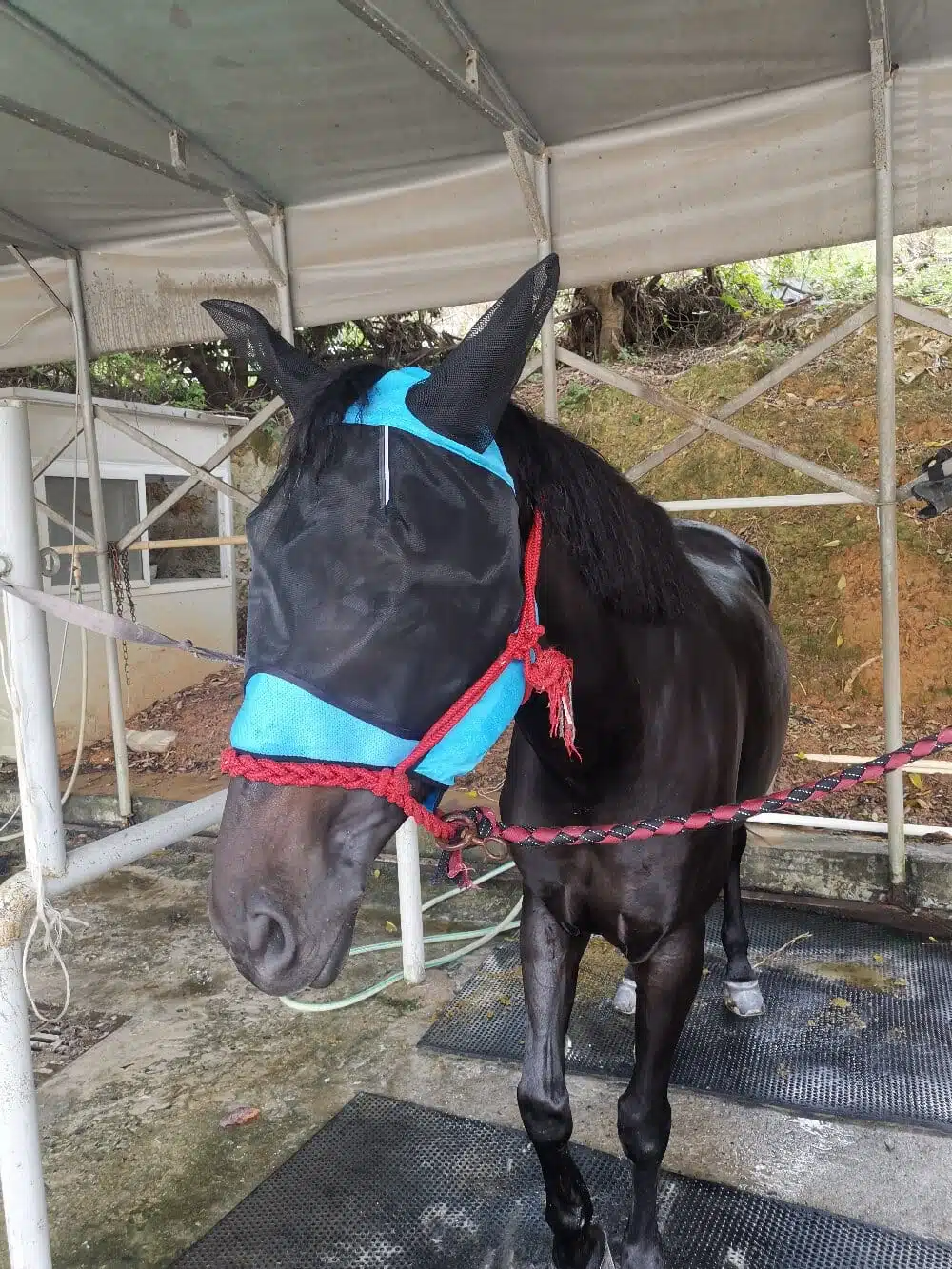

As equestrian technology advances, the horse fly mask is expected to transform from a simple mesh barrier into a sophisticated piece of wearable equipment. Future predictions suggest that within the next decade, these protective coverings will integrate smart materials, sensor technology, and adaptive design to address both insect pressure and equine comfort with unprecedented precision. Manufacturers and researchers are already exploring how environmental data and animal behavior analytics can reshape the way fly masks function in daily care routines.
Smart Materials and the Future Horse Fly Mask
Material science is likely to play a central role in the next generation of equine face protection. Future fly masks may use breathable, self-cleaning fabrics that repel dust and resist UV degradation more effectively than current mesh blends. Some prototypes under development incorporate phase-change fibers that regulate temperature around the horse’s head, reducing heat buildup during summer turnout. Others may feature reinforced, tear-resistant stitching designed to withstand rubbing against fences and pasture obstacles.
Another predicted development involves antimicrobial treatments woven directly into the fabric rather than applied as a coating. This approach could extend the lifespan of the mask while reducing skin irritation, a common concern among horse owners. As sustainability becomes a stronger priority in equestrian manufacturing, recyclable polymers and biodegradable mesh options are also expected to enter the market.
Sensor Integration and Data-Driven Equine Care
The horse fly mask of the future may serve as more than a physical shield. Embedded lightweight sensors could monitor head movement, scratching frequency, and insect landing patterns, transmitting data to a smartphone application. Such information would help owners evaluate whether a mask is positioned correctly or whether the horse is experiencing persistent irritation from flies or midges.
Future prediction models suggest that this data could feed into broader herd management platforms. For example, a stable manager might receive alerts when fly activity spikes in a particular paddock, prompting adjustments to turnout schedules or mask usage. This integration of wearable technology with daily stable operations reflects a wider trend toward precision animal husbandry.
Design Adaptations for Comfort and Fit
Fit remains one of the most persistent challenges in equine face protection, and future designs are expected to address it through customization. Digital scanning of a horse’s head could allow owners to order masks tailored to individual facial proportions, reducing gaps where insects can enter. Adjustable strap systems may use magnetic closures or quick-release buckles that are easier to handle with gloves.
- Modular ear and nose attachments for seasonal flexibility
- Reflective threading for visibility during low-light turnout
- Color-coded sizing systems to simplify fitting
- Replaceable mesh panels that extend product lifespan
These features are likely to become standard as manufacturers respond to feedback from riders, veterinarians, and welfare organizations. The objective remains consistent: protect the horse’s sensitive eyes and face without compromising vision, airflow, or natural behavior.
What This Means for Horse Owners
Looking ahead, owners can expect a market that offers greater choice and more technical information about each product. Future fly masks may come with performance ratings for insect resistance, breathability, and durability, similar to how other equestrian equipment is labeled. This transparency would help buyers make informed decisions based on their horse’s specific needs and local insect conditions.
Price points will likely vary widely, with entry-level mesh masks remaining available alongside premium smart-fabric options. Education will be important, as owners weigh the benefits of advanced features against maintenance requirements and cost.
Summary
The future of equine fly protection points toward smarter materials, integrated sensors, and better fit through customization. While the core purpose of the horse fly mask will remain unchanged, these innovations are expected to improve comfort, durability, and data-informed care for horses and their handlers.