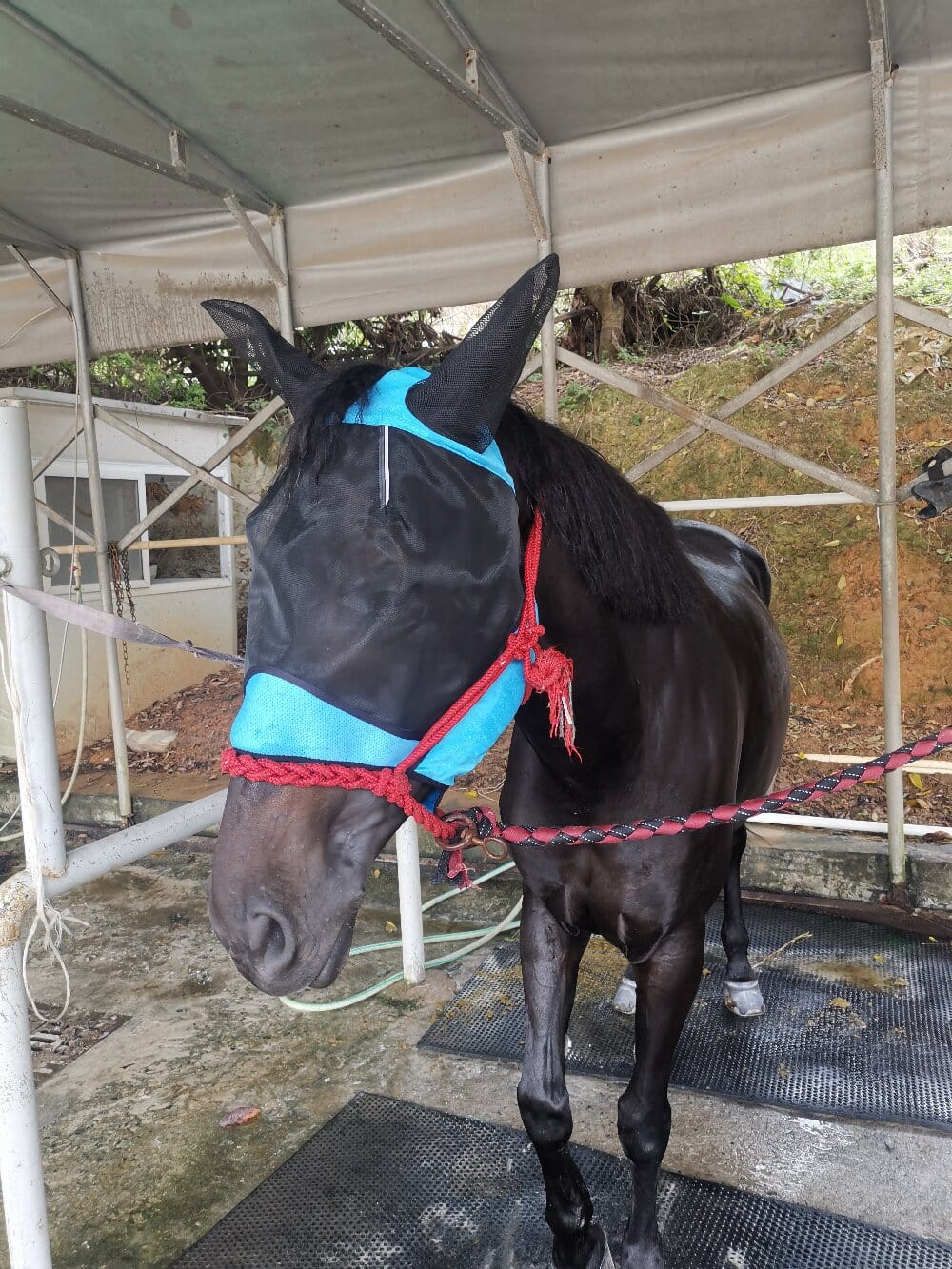
Imagine walking into the barn on a sweltering July morning and finding your gelding, Rusty, squinting against the sun with tears streaming down his face and small welts forming along his eyelids. That was the scene that convinced one boarding stable owner to rethink her entire turnout strategy — and it is exactly the kind of scenario where a well-fitted horse fly mask transforms daily care from reactive to preventive. In this case study, you will follow a real-world troubleshooting process, from identifying the problem to measuring the results, so you can apply the same approach to your own horse.
Step 1: Diagnosing the Problem Before Choosing a Horse Fly Mask
Before purchasing anything, the stable team spent a week documenting symptoms. They noted the following signs during morning and evening checks:
- Constant head shaking and ear flicking, even in a shaded paddock
- Watery eyes and crusty discharge accumulating by mid-afternoon
- Small, raised bumps along the muzzle and around the ears
- Reluctance to graze near the pasture fence line where biting insects gathered
The pattern pointed to two culprits working together: UV exposure and biting insects such as gnats and face flies. A simple sunscreen routine was not practical for a horse turned out twelve hours a day, so protective eyewear became the logical next step.
Step 2: Selecting the Right Fly Mask for the Individual Horse
Not every mask suits every head shape, and the case study revealed this quickly. The first mask ordered was a bargain option with stiff mesh; Rusty rubbed it off within an hour. The second attempt — a structured design with fleece edging and ear covers — stayed in place but trapped heat. The winning choice combined lightweight, breathable mesh with a soft binding and adjustable touch-fastener straps, plus a long nose piece for extra coverage.
When you shop, evaluate these features the way the stable team did:
- Mesh density that blocks fine insects while allowing airflow
- Fleece or rolled edges to prevent rubbing behind the ears
- Adjustable straps that stay secure without pinching
- UV-blocking fabric rated for summer turnout
- Optional ear and nose extensions for horses with sensitive skin
Step 3: Measuring Results After Introducing a Fly Mask
After two weeks of consistent use, the team tracked the same indicators they had recorded at the start. The changes were noticeable: tears and discharge dropped sharply, head shaking during turnout nearly stopped, and the welts along the muzzle faded without ointments. Rusty grazed comfortably along the fence line again. The stable also reported fewer vet visits for eye irritation that season, which offset the modest cost of two masks per horse for rotation and laundering.
Practical maintenance mattered as much as the initial fit. The team rotated masks daily, rinsed them in mild soap, and inspected seams weekly for wear. A spare mask kept in the tack room meant a wet or damaged one never left a horse unprotected.
Lessons You Can Apply This Season
From this case study, three takeaways stand out for any horse owner. First, observe and document symptoms before you buy, so you choose protection that matches the actual threat. Second, fit matters more than price — a mask that rubs or slips offers little benefit. Third, consistency and hygiene keep protective gear effective month after month. Whether you manage one horse or a full barn, treating fly protection as a measured, observational process will keep your horse comfortable, calm, and free of summertime eye and skin irritation.