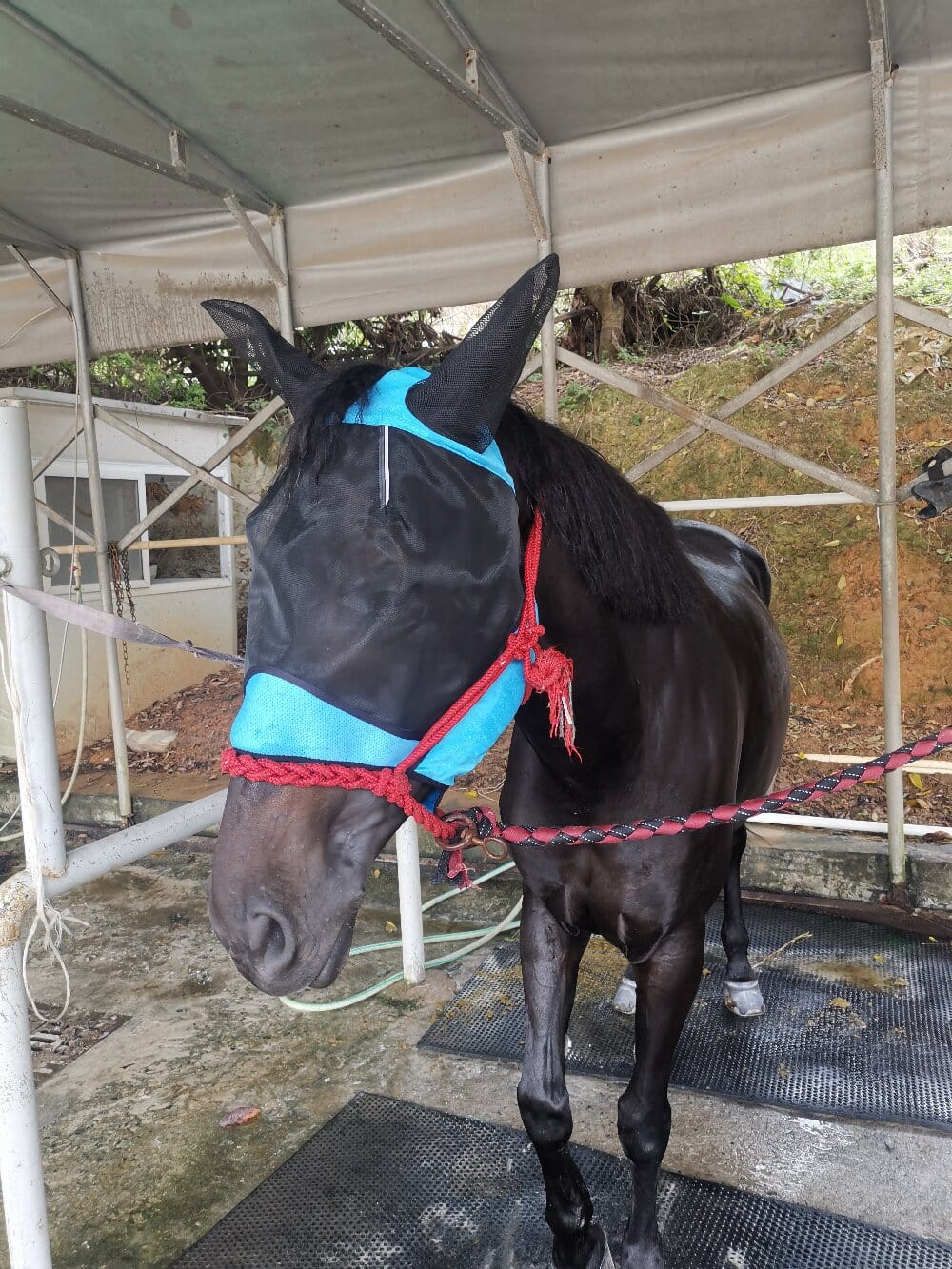
The horse fly mask is one of those pieces of tack that riders either swear by or dismiss as an unnecessary expense, and that divide is worth examining rather than accepting at face value. A fly mask is a mesh covering designed to shield a horse’s eyes, ears, and sometimes the top of the head from biting insects, sunlight, and irritants. On the surface, the logic seems simple: insects bother horses, masks block insects, therefore masks help. But critical thinking asks us to look past the surface and consider when that logic holds, when it doesn’t, and who benefits from the assumptions we make. Approaching equine fly protection from multiple perspectives—veterinary, behavioral, practical, and economic—reveals a more nuanced picture than any single camp tends to offer.
The Case for a Horse Fly Mask: What the Evidence Supports
From a veterinary standpoint, the strongest argument for fly protection is disease transmission. Biting midges and flies can carry pathogens and cause allergic reactions, and horses with photosensitivity or recurrent uveitis may genuinely benefit from reduced UV exposure and irritant contact. A well-fitted mask that keeps insects away from the eyes can reduce tearing, squinting, and the head-shaking behavior often associated with annoyance. Owners who observe their horses stomping, swatting, or rubbing their faces during peak fly season have a reasonable basis for trying a mask, provided the fit is correct and the mesh allows adequate airflow.
Behavioral observers add another layer: some horses visibly relax when flies are excluded from sensitive areas, and reduced stress can support better eating, resting, and overall welfare during summer months. These are legitimate benefits, not marketing claims, and they deserve acknowledgment even from skeptical horsemen.
Where the Horse Fly Mask Argument Gets Weaker
Critical thinking requires equal scrutiny of the counterarguments. A mask is not a universal solution, and treating it as one can create problems. Poorly fitted masks can rub the face, trap debris, or shift over the eyes and impair vision, which is a genuine safety concern for horses at pasture or under saddle. Some horses tolerate masks well; others remove them, damage them, or become anxious wearing them. There is also the question of cost and durability—masks tear, lose elasticity, and require replacement, which matters for owners managing multiple horses on a budget.
Equally important is the risk of false confidence. A mask protects a limited area; it does not replace pasture management, manure removal, fly sprays, or shelter. Relying on a single tool while ignoring the broader environment is a classic example of solving a symptom rather than the problem. Skeptics who point this out are not wrong, even if their blanket dismissal of masks goes too far.
Practical Criteria for Choosing and Using a Fly Mask
Rather than debating whether masks work in the abstract, the more useful question is how to evaluate one for a specific horse. Consider these factors:
- Fit: The mask should sit away from the eyes, allow full eyelid movement, and stay put without pressure points.
- Mesh quality: Fine enough to block small insects, open enough for ventilation and visibility.
- Durability and closure: Secure fastenings that won’t catch on fencing or rub the poll.
- Season and climate: Heavier protection suits turnout; lighter options may suit stabled horses.
- Individual temperament: Some horses accept masks instantly; others need gradual introduction.
Secondary considerations include ear coverage, UV-blocking fabrics, and ease of cleaning. None of these factors is decisive alone; together they form a reasonable basis for judgment.
Conclusion: A Tool, Not a Doctrine
The horse fly mask is neither a miracle product nor a gimmick. It is a targeted tool whose value depends on fit, environment, and the individual horse. Critical thinking suggests testing claims against observable results, weighing benefits against risks, and combining fly control methods rather than relying on any single item. Owners who evaluate masks with clear criteria—and adjust when the evidence changes—will make better decisions than those who accept or reject them on principle alone.