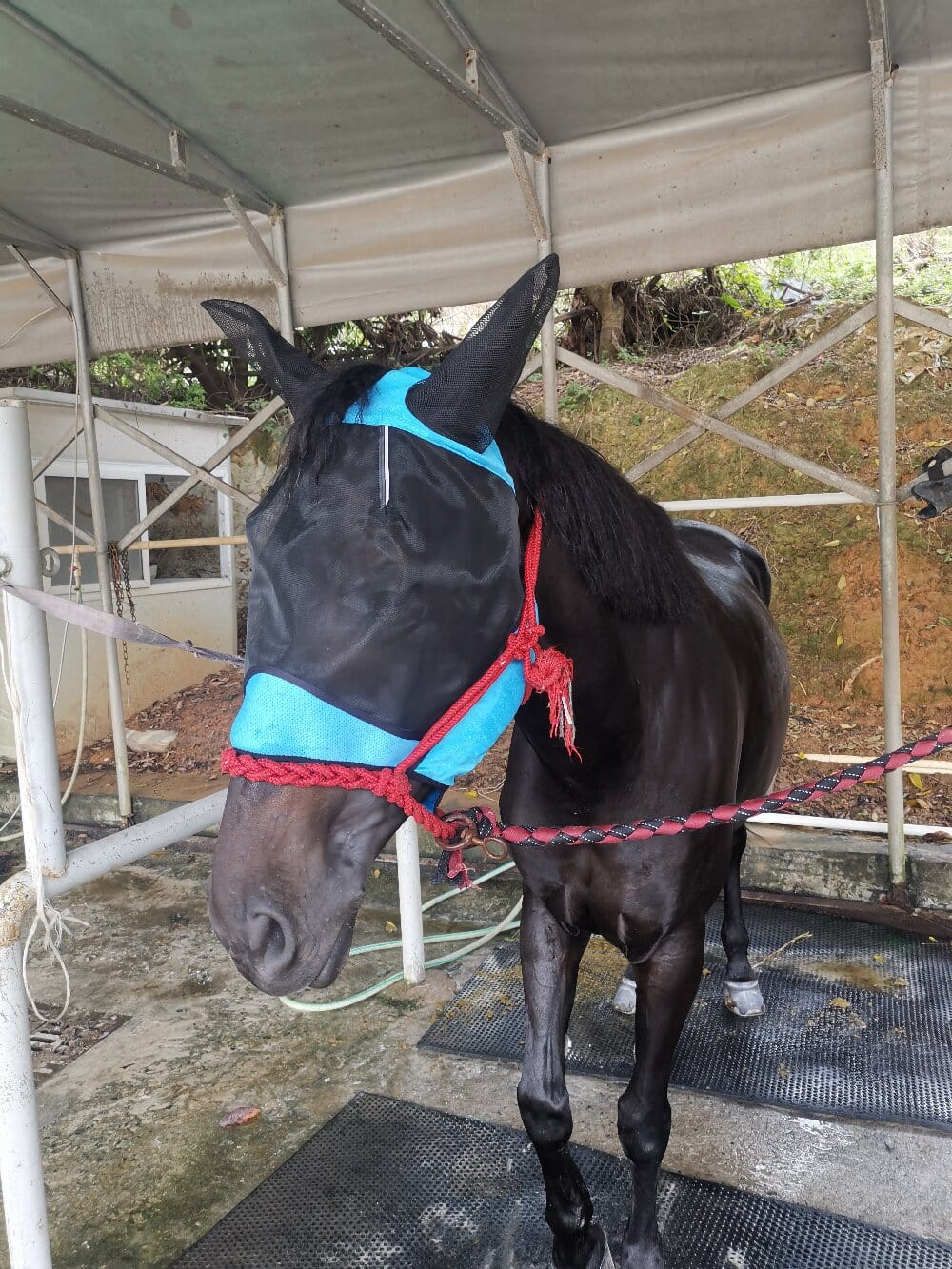
A horse fly mask is one of those deceptively simple pieces of tack that invites a closer look. On the surface, it is just mesh over a horse’s face—a barrier against flies, sunlight, and debris. Yet ask ten equestrians about fly masks and you will likely get ten different opinions, ranging from unwavering devotion to skeptical dismissal. Thinking critically about this humble piece of equipment means stepping back from marketing claims and stable-yard habit to ask: what does it actually do, for whom, and at what cost?
Manufacturers market these masks as protection against flies, gnats, and ultraviolet light. That is broadly true, but the details matter. A mask shields the eyes, ears, and face from biting insects, reducing the irritation that leads to head tossing, rubbing, and stress. Some masks also filter UV rays, which is valuable for horses with photosensitivity or pink skin around the muzzle. However, a mask is not a force field. It does not repel insects from the body, does not replace fly spray, and cannot compensate for poor pasture hygiene or standing water that breeds pests. Critical thinking requires separating genuine benefits from overstated promises.
The Case for Horse Fly Mask Use
From the owner’s perspective, the appeal is straightforward. Horses bothered by flies can become anxious, distracted, and prone to eye injuries from constant rubbing. A well-fitted mask can calm a herd, protect a healing corneal ulcer, and reduce the need for harsh chemical repellents. Vets often recommend masks for horses recovering from eye trauma or those with recurrent uveitis. For many owners, the mask is a low-cost, low-effort welfare tool—an easy win.
The Skeptical View: When a Horse Fly Mask Creates Problems
The counterargument deserves equal weight. Ill-fitting masks can rub the face raw, trap heat, and—critically—impair peripheral vision, which may spook a nervous horse. Masks can snag on fences or branches, and in muddy conditions they become breeding grounds for bacteria against the skin. Some horses simply will not tolerate anything over their eyes, and forcing the issue creates more stress than the flies ever did. From this perspective, the mask solves one problem while quietly introducing others.
Balancing Welfare, Fit, and Practicality
A balanced approach treats the mask as one tool among many rather than a cure-all. Consider these points before buying:
- Check fit around the ears and jaw—loose masks rub, tight masks press.
- Inspect the mesh for visibility; darker mesh offers shade but reduces sight.
- Remove the mask daily to check skin, eyes, and ears for irritation.
- Pair masks with pasture management and targeted repellents.
- Monitor behavior—head shaking or resistance may signal a poor fit.
Conclusion: A Tool, Not a Verdict
Neither enthusiastic endorsement nor blanket rejection holds up to scrutiny. The horse fly mask is a genuinely useful piece of equipment when fitted correctly, inspected regularly, and used as part of a broader pest-management strategy. Owners who weigh the evidence—rather than following stable tradition or advertising—will make better decisions for their horses. The mask is not inherently good or bad; it is a tool whose value depends entirely on how thoughtfully it is used.