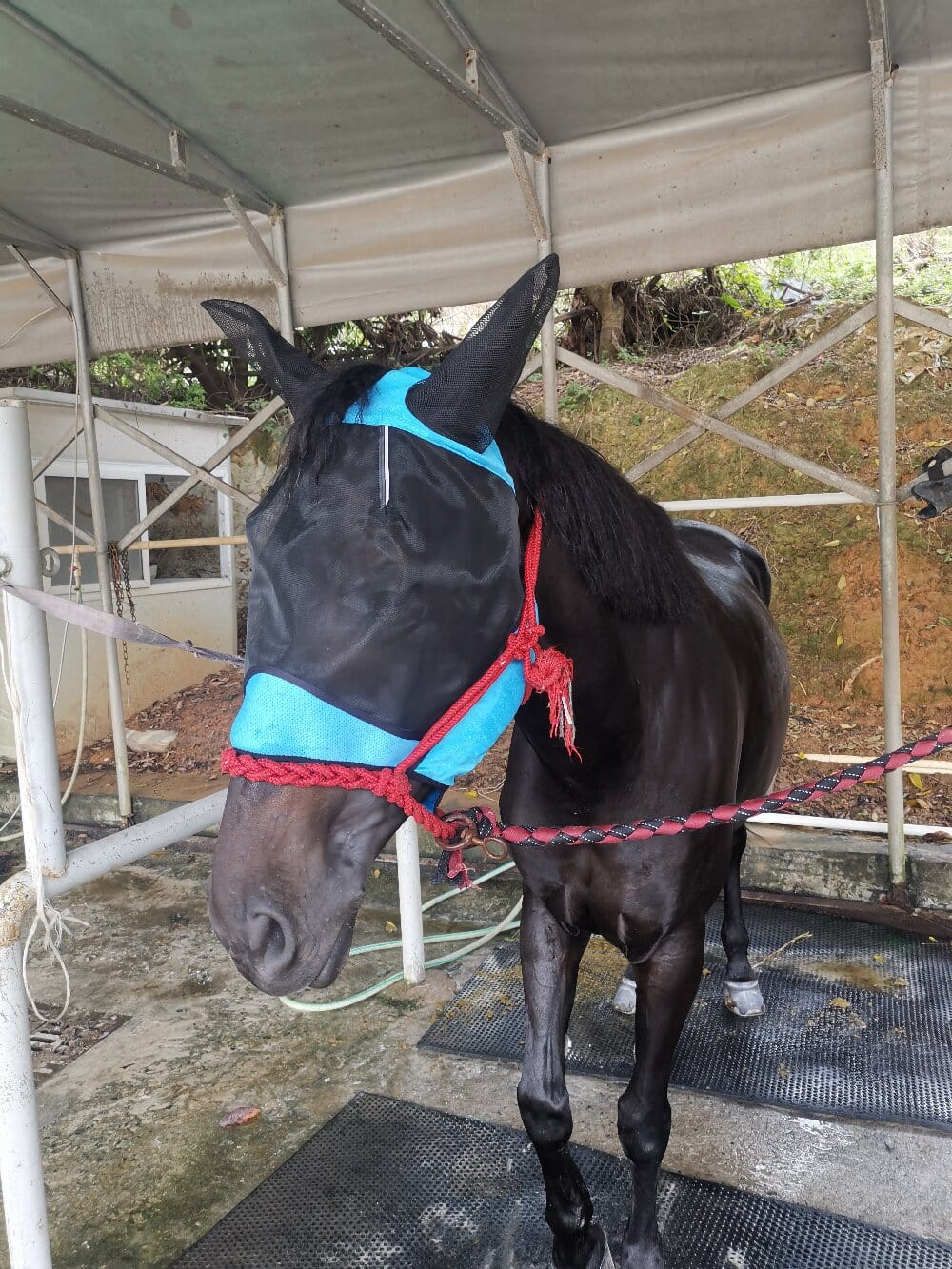
Last summer, my mare Juniper came in from the pasture with another raw, weeping eye, and I finally admitted that my casual approach to fly protection was not working. I had tried sprays, wipes, and even a homemade concoction that smelled like a salad dressing, but the face flies kept coming back. That was the week I started seriously researching a horse fly mask, and what began as a quick purchase turned into a season-long experiment across three different horses and four mask designs. Here is what I learned, case study style, so you can skip some of my mistakes.
The Case Study Setup: Three Horses, Four Weeks
To keep my testing honest, I treated each horse as a separate case. Juniper is a sensitive Thoroughbred mare who rubs her face on fences when flies land near her eyes. Biscuit is a thick-coated pony who sweats heavily under the jaw. Birdie is a retired show hunter with a narrow head and long eyelashes. I bought four fly masks for horses at different price points and rotated them across a four-week trial, checking for rubs, fit, and insect coverage every evening.
The variables I tracked were simple:
- Fit and adjustability around the jaw and ears
- Eye coverage and visibility for each horse
- Durability after pasture turnout and washing
- Comfort signs, including head tossing and rubbing
- Ease of putting on a horse that would rather walk away
What Actually Made a Difference in Fly Mask Fit
The first lesson was that size labels mean very little across brands. The mask that fit Juniper perfectly slipped over Birdie’s eyes within minutes. A well-made fly mask for horses should sit away from the eyes, with enough clearance that lashes do not brush the mesh, and the ear openings need to line up with the actual ears rather than the manufacturer’s idea of where ears might be. I used a soft tape measure around the jaw and across the forehead, wrote down the numbers, and compared them to each brand’s chart before ordering.
My second lesson involved materials. Masks with stiff binding caused visible rub marks on Biscuit’s cheekbones within two days, while a softer fleece trim eliminated the problem entirely. For horses with sensitive skin, that soft edge matters more than any feature on the packaging.
A Fly Mask for Horses That Stayed On
Escape artists are a real test. Biscuit learned within a week that backing into a fence rail could peel her mask off, so I switched her to a style with a longer cheek piece and a more secure hook-and-loop closure. The mask with the shortest straps ended up on the ground daily. If your horse is a fence rubber, prioritize snug closure and long straps over fashion.
Cleaning, Durability, and Honest Results
All four masks went through weekly hand washing in mild soap. The cheapest option lost its shape by week three, while the mid-priced mask with reinforced stitching still looked nearly new. I also learned to check masks daily for trapped debris, since one small twig inside the mesh caused more irritation than the flies ever did. By the end of the trial, Juniper’s eyes had cleared, Biscuit had stopped fence-rubbing her face, and I had a favorite design with a backup in the tack trunk.
My Takeaway
If I were starting over, I would measure carefully, choose soft trim over stiff binding, and buy two masks per horse so one can dry while the other works. A properly fitted horse fly mask is not a luxury; it is basic comfort for animals that cannot swat a fly off their own eyes. Take it from someone who learned the hard way.