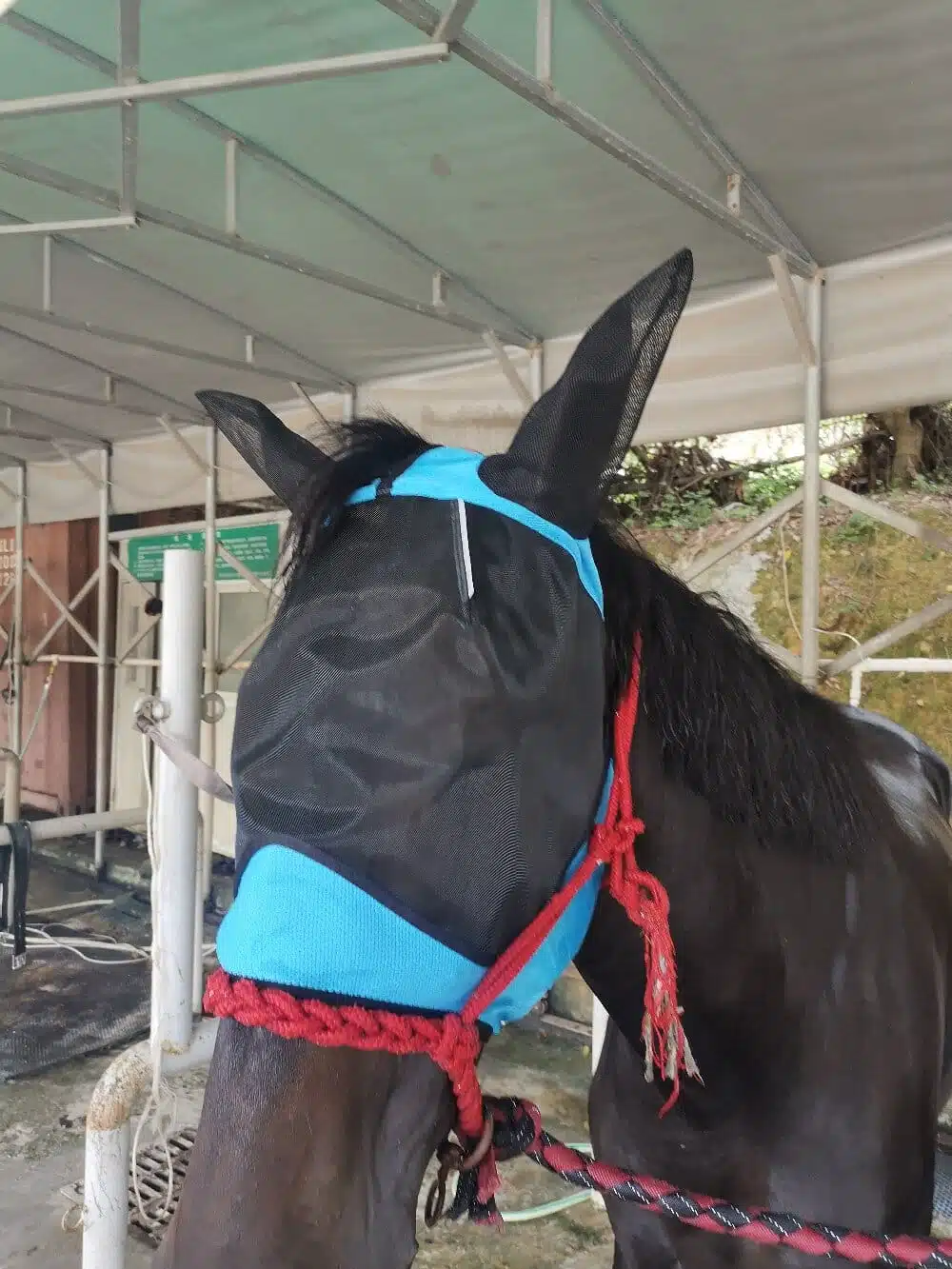

Every summer, the equestrian world seems to rediscover the horse fly mask with the enthusiasm of a crowd seeing a magic trick for the first time. Shelves fill with mesh hoods in every color, and social media brims with testimonials claiming these simple pieces of fabric are the ultimate answer to flies, gnats, and the misery they bring. Yet when I put on my critical thinking hat, I can’t help but ask: are we solving a problem, or just buying comfort for ourselves while telling ourselves it’s for the horse? The horse fly mask deserves a fair trial, not blind devotion, so let’s examine the evidence with clear eyes and a healthy dose of doubt.
The Core Claim: Protection or Placebo?
The basic promise is straightforward. A fine mesh mask covers the horse’s face, eyes, and ears, creating a physical barrier against biting insects. On paper, that makes sense. A fly that cannot land on the eye cannot bite the eye. But here’s where critical thinking matters: physics and behavior are two different things. Flies are persistent, and mesh density, fit, and visibility all influence whether the barrier actually works in a muddy paddock rather than a marketing photograph. I’ve watched horses rub masks off within minutes, and I’ve watched others stand calmly as if the mask were a second skin. The difference isn’t the product’s claim; it’s the individual horse and the quality of the fit.
What the Horse Fly Mask Actually Does Well
To be fair, there are legitimate benefits worth acknowledging. A well-fitted fly mask can reduce irritation around the eyes, lower the risk of insect-borne eye issues, and protect sensitive skin from sunburn. It can also cut down on the head-shaking and stress that come with constant buzzing. But I refuse to treat these as universal truths. The mask works best when it is:
- Properly sized, with no gaps at the edges where insects can sneak in
- Made of breathable mesh that doesn’t trap heat or moisture
- Checked daily for rubbing, dirt buildup, and damage
- Removed during turnout in extreme heat or when the horse is unattended for long periods
- Paired with other management strategies rather than relied on alone
Notice that none of these points require brand loyalty or a viral review. They require observation and common sense, which is exactly what critical thinking demands.
The Overlooked Downsides We Prefer to Ignore
Here’s the uncomfortable question: could the horse fly mask create new problems while solving old ones? Yes, potentially. Poor ventilation can cause sweating and skin irritation. A loose mask can shift and obstruct vision, which is dangerous for a prey animal. Some horses become anxious when their field of view is reduced. And there is the uncomfortable truth that a mask can give owners a false sense of security, leading them to skip fly control measures like manure management, drainage, and strategic turnout times. I’m not saying masks are harmful; I’m saying the conversation too often stops at “buy this” and never reaches “does this actually fit my horse’s situation?”
How to Judge a Horse Fly Mask Like a Skeptic
If you’re going to spend money on equine fly protection, do it with your eyes open. Ask whether the mesh blocks the insects present in your area, not just the ones in the advertisement. Check the seams and straps for durability. Compare the cost against simpler alternatives like fly sprays, fans, and stable management. Most importantly, observe your horse. A mask that stays on and keeps the horse calm is evidence; a mask that ends up in the mud every morning is a lesson. Let the horse’s behavior, not the packaging, be your guide.
Final Thoughts on Smarter Fly Protection
The horse fly mask is neither a miracle nor a gimmick. It is a tool, and like any tool, its value depends on fit, context, and honest evaluation. My conclusion is simple: use one if it genuinely suits your horse, but question the hype, check the fit, and combine it with broader fly management. Critical thinking won’t keep the flies away, but it will keep you from wasting money and missing the real solutions.