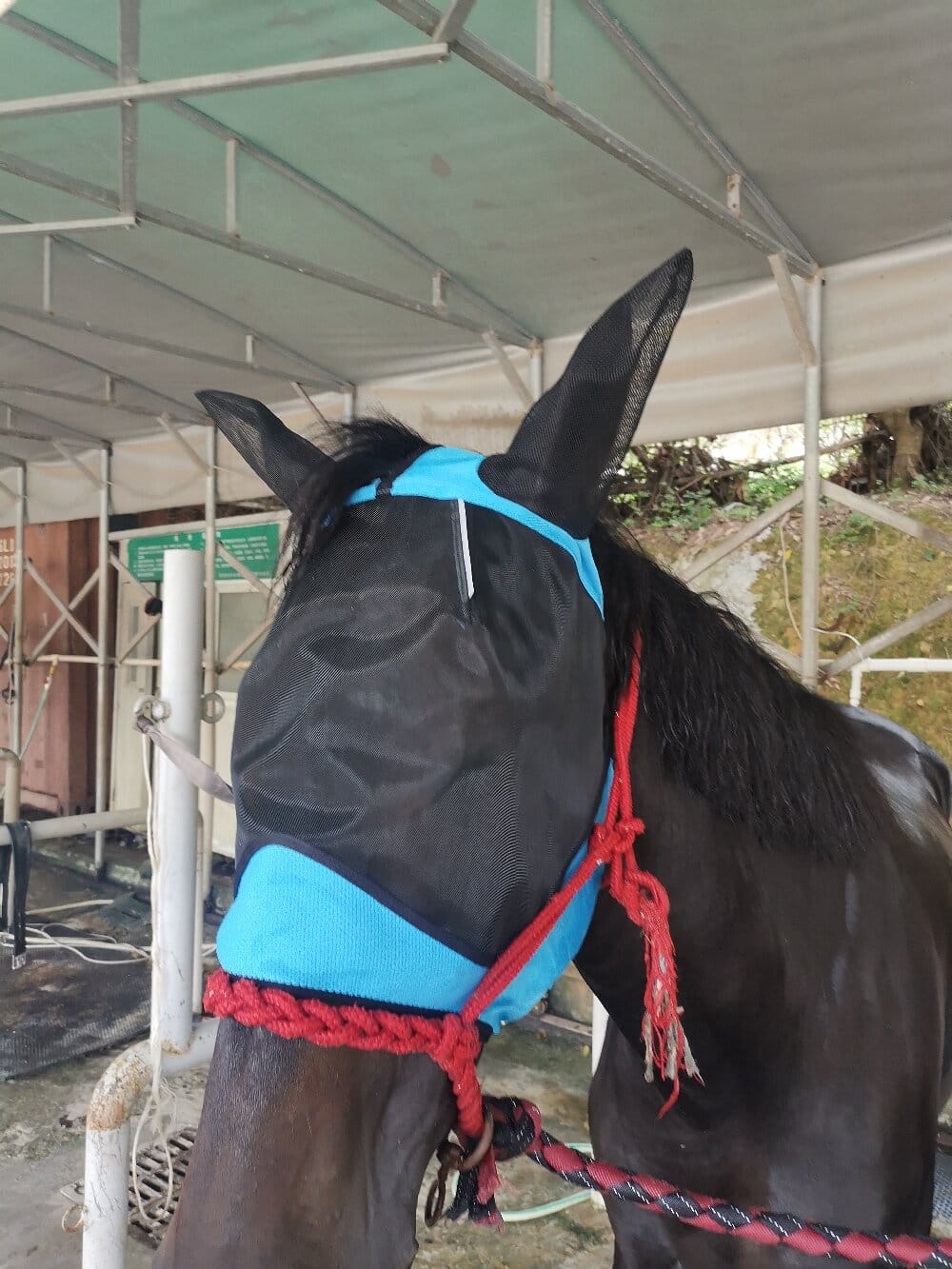
I still remember the first time I saw a horse fly mask hanging in a dusty tack room in the English countryside. To me, it looked like a piece of practical gear — mesh, fleece, velcro, nothing more. But the older stable hand beside me treated it almost like a ritual object, explaining that in his family, the annual switch to summer fly protection marked the changing of the seasons as surely as the first swallow. That moment changed how I think about equestrian equipment. What seems like a simple piece of protective wear is actually a window into how different cultures understand the relationship between horses, insects, and the people who care for them.
The Horse Fly Mask as a Cultural Artifact
When I travel and visit yards in different countries, I pay attention to how people talk about their horse fly masks. In Mediterranean regions, where the heat and the flies arrive together, riders often describe the mask as a matter of basic welfare — a daily necessity rather than a seasonal luxury. In northern Europe, I have heard it framed as a training aid, keeping horses calm and focused without the distraction of biting insects. In parts of North America, I have seen masks decorated in bright team colours, turning utilitarian gear into a small expression of identity and pride. The object stays the same; the meaning shifts with the culture around it.
I find this fascinating because it shows how practical knowledge travels. Long before online shops made every design available everywhere, horse people were already solving the same problem in their own way, using local materials and local wisdom. The modern fly sheet for horses and the stitched nose veil are heirs to that shared tradition.
Rituals, Seasons, and the Fly Mask
What I love most is the way these masks are woven into seasonal routines. In many yards I have visited, the arrival of spring triggers a familiar ceremony: checking last year’s masks for wear, washing them, adjusting straps, and watching how each horse reacts. Some horses accept the mask with complete indifference; others treat it as a personal insult for the first few days. Watching those reactions taught me more about individual temperament than any textbook ever could.
There is also a social dimension. In group turnout, a horse fly mask becomes a visible marker of a caretaker’s attentiveness. I have heard grooms judge one another’s standards by how well-kept the masks are — clean mesh, intact binding, no rubbed patches behind the ears. It is a quiet language of care.
Practical Lessons I Have Learned
Through years of trying different designs, I have picked up a few habits worth passing on:
- Check the fit weekly, because a mask that rubs can cause more harm than the flies it blocks.
- Wash mesh regularly in mild soap and air-dry it, since clogged fabric loses breathability and visibility.
- Keep a spare, because losing one to a fence post in peak fly season is a common frustration.
- Introduce the mask gradually to young or nervous horses, letting them sniff it before fitting.
I also pay attention to design details that reflect local climates — longer nose coverage for harsh sun, lighter colours for hot regions, and reinforced edging where vegetation is tough.
A Small Object With a Big Story
In the end, I have come to see protective face wear for horses as more than shopping-list equipment. It carries the habits, priorities, and small rituals of the people who use it. Next time I fasten one on, I will think of that stable hand and the seasons turning.