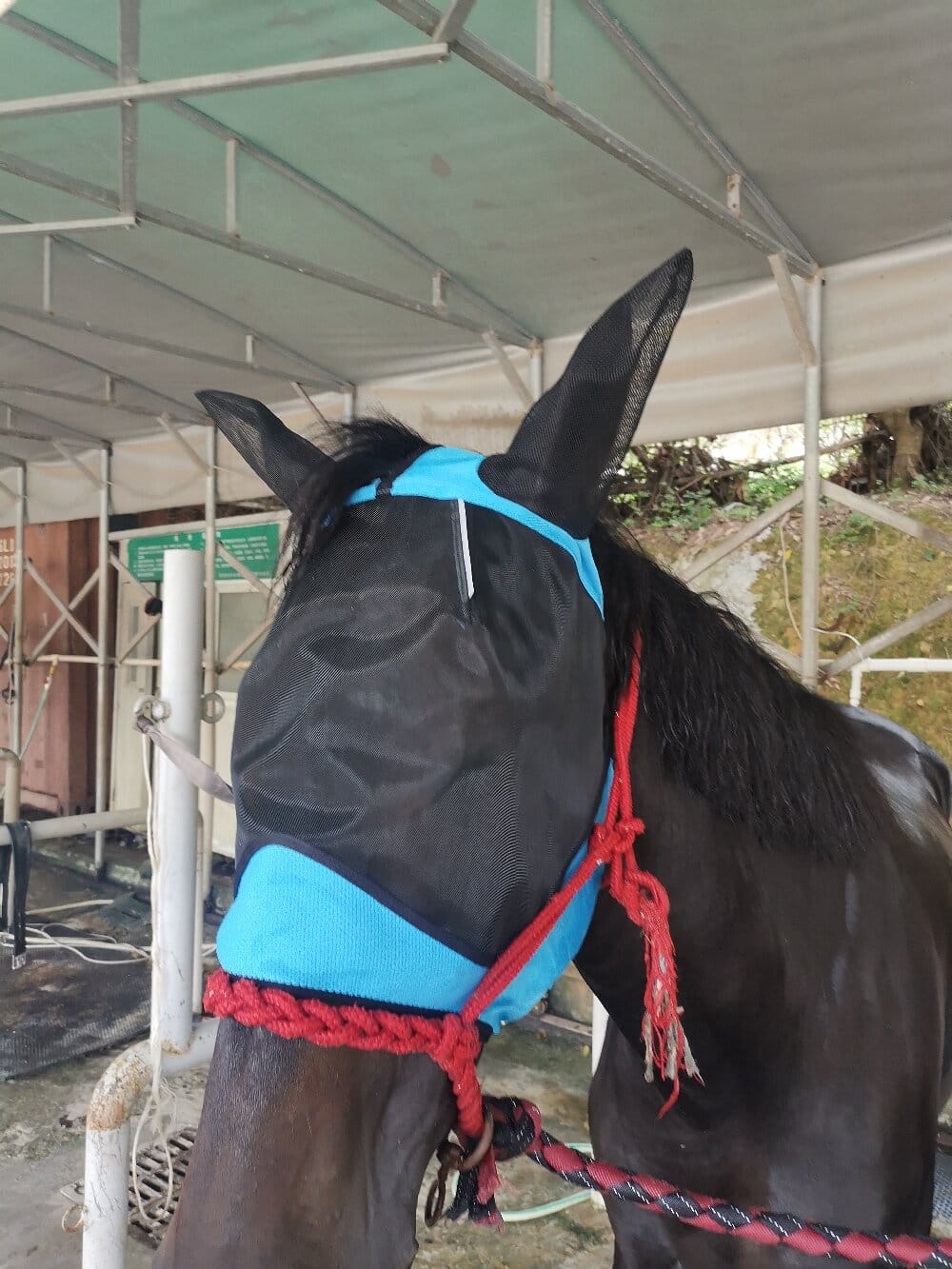
Across centuries and continents, humans have draped cloth, leather, and netting over their horses for protection, decoration, and ritual. The modern horse fly mask belongs to this long lineage of equine adornment, yet it serves a distinctly practical purpose in contemporary stable culture. From the sun-baked paddocks of the American West to the misty pastures of the British countryside, this simple piece of mesh has become a familiar sight, signaling a shift in how caretakers understand animal welfare and the shared environment between horses and insects.
The Horse Fly Mask as a Cultural Artifact
Seen through a cultural lens, the horse fly mask is more than a piece of tack. It reflects a society’s evolving relationship with animals—moving from pure utility toward a philosophy of comfort and dignity. In many equestrian communities, outfitting a horse with a fly mask is a daily ritual, a quiet gesture of care performed before morning feed. The mask has also entered the visual vocabulary of rural life, appearing in photographs, farm blogs, and stable-yard conversations, where owners compare designs the way enthusiasts discuss automobile models or gardening tools.
Regional variations reveal cultural preferences. In warmer climates, breathable mesh and UV-blocking fabrics dominate, while cooler regions favor fleece-lined edges and removable ear covers. Some traditions embellish masks with colored trim or embroidered initials, transforming a functional item into a personal statement—a small canvas for identity within the stable community.
Protection Rooted in Practical Wisdom
The core function of a horse fly mask remains straightforward: shielding sensitive eyes and ears from biting insects, dust, and harsh sunlight. Horseflies, gnats, and stable flies can cause irritation, infection, and stress, and a well-fitted mask acts as a lightweight barrier. Cultural knowledge passed between generations of riders has refined this tool—farmers and trainers share tips on sizing, cleaning, and seasonal use, creating an informal body of folk expertise that often precedes formal veterinary advice.
- Choose breathable mesh that allows airflow while blocking insects.
- Ensure the mask fits snugly without rubbing the brow or cheekbones.
- Check daily for wear, dirt, and proper positioning.
- Remove during turnout in extreme heat to prevent overheating.
Design, Craft, and the Equestrian Aesthetic
Modern fly masks blend craftsmanship with function. Manufacturers experiment with Lycra, nylon, and UV-resistant fabrics, while designers consider color, durability, and ease of laundering. In equestrian culture, the mask’s appearance matters: a coordinated mask and saddle pad can express a rider’s taste, much like a carefully chosen hat or boot. This aesthetic dimension has helped the fly mask move from purely agricultural supply to mainstream equestrian retail, appearing in catalogs alongside grooming kits and turnout blankets.
Welfare, Environment, and Changing Attitudes
The growing popularity of fly masks also mirrors broader cultural conversations about animal welfare and environmentally conscious horsekeeping. Owners increasingly seek chemical-free fly control, reducing reliance on sprays and insecticides. The mask supports this shift, offering a physical barrier that aligns with concerns about pasture ecosystems and pollinator health. In this sense, the humble mesh veil connects daily stable routines to larger debates about sustainability and responsible stewardship.
A Quiet Symbol of Care
Whether viewed as practical gear, fashion accessory, or cultural marker, the horse fly mask encapsulates a timeless truth: the bond between humans and horses is expressed through small, thoughtful acts. As equestrian traditions continue to evolve, this modest piece of protective netting will likely remain a familiar companion in paddock and pasture—a quiet symbol of care that speaks across generations and landscapes.