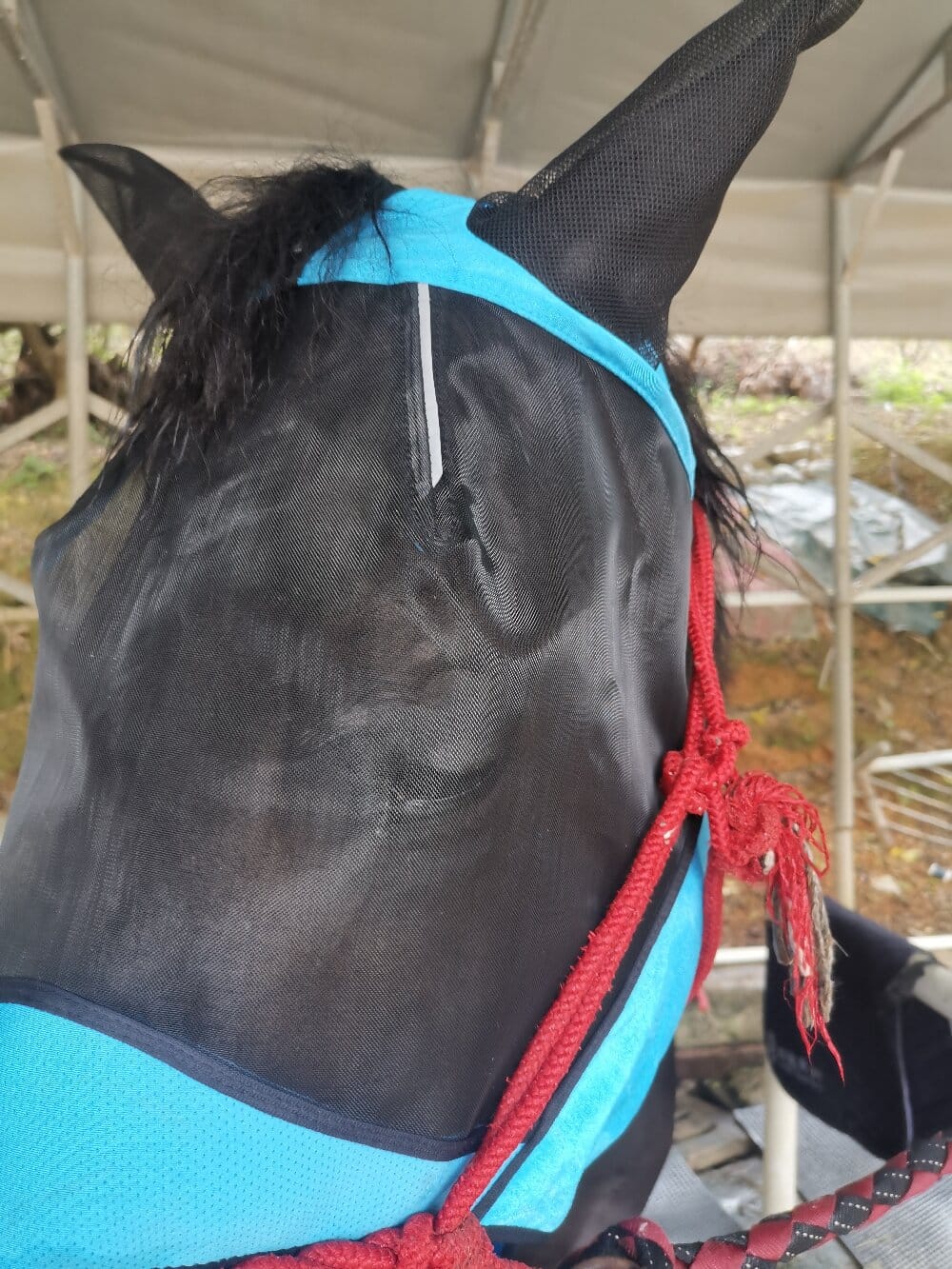
I still remember the first time I saw a horse fly mask hanging in a dusty tack room in the English countryside. To me, it was simply a piece of practical gear — mesh, fleece, and Velcro designed to keep flies off a horse’s sensitive eyes. But as I traveled and spent time in different equestrian communities, I began to realize that this humble piece of equipment carries far more meaning than I ever expected. The horse fly mask is not just a barrier against insects; it is a window into how different cultures understand animal welfare, tradition, and the relationship between humans and horses.
The Horse Fly Mask as a Reflection of Local Climate and Custom
In my travels, I noticed that the design and use of fly masks vary dramatically from region to region, and each variation tells a story about the environment and the people who live there.
- In hot, humid parts of the southern United States, I saw lightweight, light-colored masks with long nose coverage, reflecting the intense sun and relentless biting insects.
- In northern Europe, riders often favored masks with ear protection, shaped by the prevalence of midges and the cool, damp climate.
- In parts of Australia, I encountered rugged, UV-resistant masks built to withstand harsh sun and bushfly seasons.
Each of these choices is a cultural adaptation as much as a practical one. What a community fears — sunburn, flies, midges, or dust — shapes the mask they choose, and that choice gets passed down through generations of horsemen and women.
Tradition, Status, and the Quiet Language of Tack
One of the most fascinating things I learned is how fly protection fits into the unspoken social codes of equestrian culture. In some show barns, a carefully fitted fly mask in matching colors is a mark of attention to detail and good horsemanship. In other communities, particularly older, more traditional ones, I noticed a certain reluctance to use them at all — a belief that horses should simply tough it out, as they always have. I found myself caught between these two worlds, respecting the old ways while recognizing the genuine comfort a well-made mask provides.
There is also a ritual element I came to appreciate. Putting on a fly mask each morning becomes part of the daily rhythm of care — a small, quiet moment of connection between horse and handler. In cultures where horses are working partners rather than show animals, this ritual is often practical and unceremonious, but it is no less meaningful.
What the Horse Fly Mask Teaches Us About Animal Welfare
Perhaps the most important cultural shift I have witnessed is the growing global conversation about equine welfare. The horse fly mask has moved from being a niche accessory to a mainstream symbol of responsible ownership. I see it discussed in online communities, recommended by veterinarians, and designed with increasing sophistication — breathable fabrics, ergonomic shapes, and thoughtful ear and nose coverage.
This shift reflects a broader cultural change: we are increasingly willing to invest in small comforts for our animals, and we share that knowledge across borders. A design idea born in one country is refined in another and adopted worldwide, all in service of the same goal — keeping horses comfortable and healthy.
A Final Reflection on Small Gear and Big Meaning
Looking back, I never imagined that a simple mesh mask could teach me so much about the world. The horse fly mask is a practical tool, yes, but it is also a cultural artifact — a record of climate, tradition, status, and evolving ethics. It reminds me that even the smallest piece of equipment tells a story about the people who use it and the animals they care for.
In summary, understanding fly protection through a cultural perspective helps us appreciate why riders in different regions make the choices they do. Whether you are shopping for your first mask or refining your horse care routine, recognizing these cultural layers can make you a more thoughtful and informed owner.