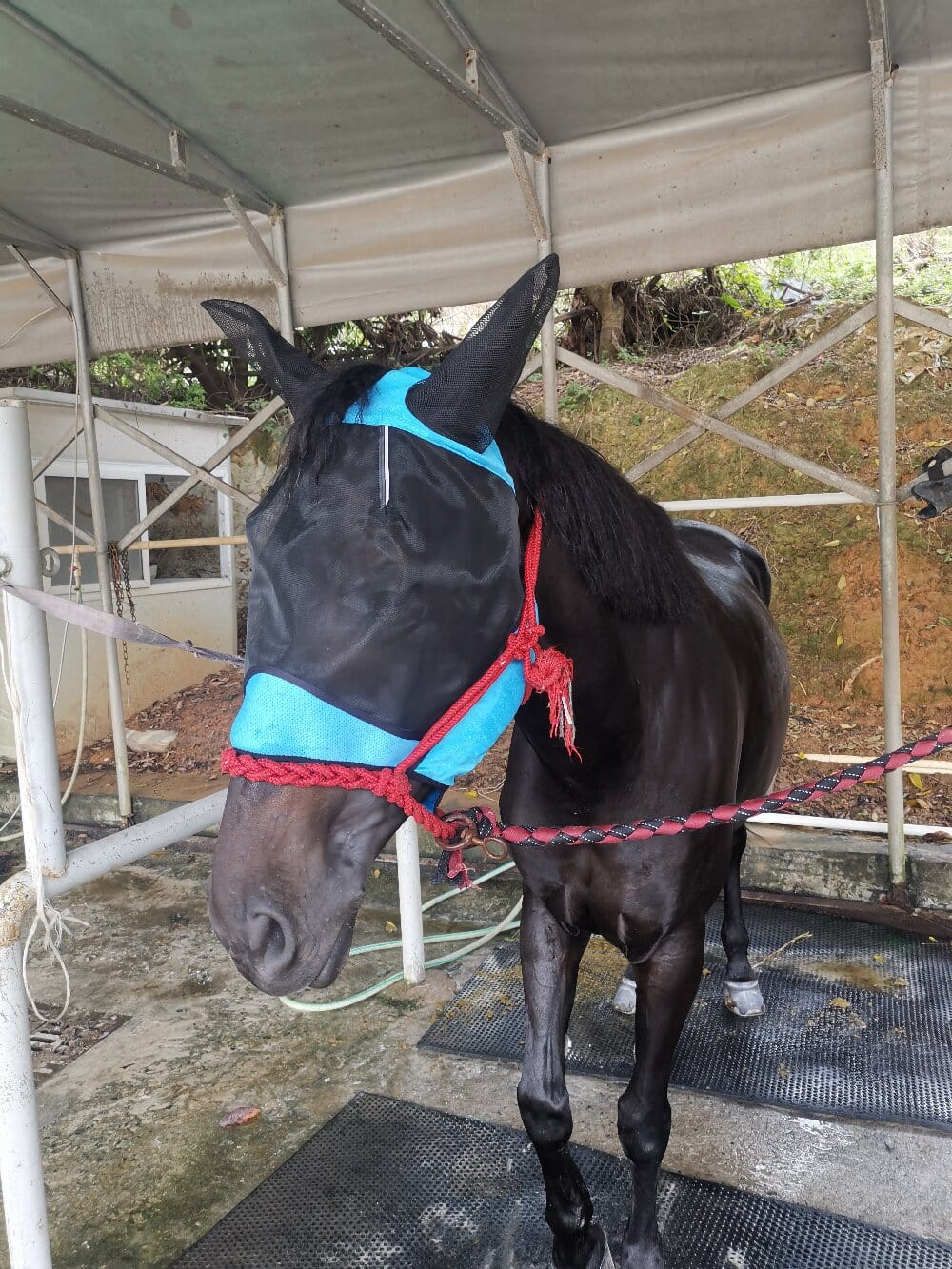
When I first encountered a horse fly mask, I thought of it as a simple piece of tack—just another item in the grooming box. But the more time I spend around stables and with horse people, the more I see this humble mesh veil as a cultural artifact, a small window into how we relate to animals, land, and even ourselves. The horse fly mask is not merely a barrier against buzzing pests; it embodies centuries of equestrian tradition, modern welfare sensibilities, and the quiet, everyday rituals that bind humans and horses together.
The Horse Fly Mask as a Symbol of Care
In many equestrian communities, the fly mask carries meanings far beyond its practical function. Walk into any barn in summer and you will see them hanging from stall doors—some plain, some with fuzzy ears, some in bright colors that match a rider’s saddle pad. Each one signals a caregiver’s attention to detail. Putting on a fly mask is a daily act of tenderness disguised as routine. I have watched grooms adjust the straps with the same care a parent uses to fasten a child’s helmet, and it strikes me that this small gesture reflects a broader cultural shift: the growing recognition that horses deserve comfort, not just performance.
Historically, fly protection was often crude—smoke, herbs, or hand-picked grooming. The modern mesh fly mask for horses is a product of both industrial design and ethical progress. It represents a cultural moment when we decided that an animal’s annoyance matters. That decision says something about who we are.
Tradition, Technology, and the Riding Community
I find it fascinating how the fly mask fits into the social fabric of riding culture. In dressage circles, a sleek, form-fitting mask is almost a status symbol, while trail riders favor rugged, high-visibility versions. Pony club members decorate theirs with ribbons and patches, turning a utilitarian object into personal expression. This is culture in action: people taking a tool and making it theirs.
There is also a practical wisdom passed down through generations. Old-timers will tell you to check the mask for rub marks every morning, to wash it weekly, to avoid leaving it on during turnout if the horse likes to scratch. These habits are folklore as much as husbandry, and they remind me that the horse fly mask is a meeting point between modern materials and ancient instincts.
Practical Considerations for the Thoughtful Rider
From a cultural perspective, the best fly mask is the one that fits the horse’s lifestyle, not the rider’s aesthetic. Here is what I have learned to look for:
- Fit over fashion: A mask that shifts or rubs defeats its purpose; measure the horse’s head carefully.
- Breathability: Mesh density matters—too fine and it traps heat; too open and tiny flies slip through.
- Ear and eye clearance: Ensure the design keeps fabric away from lashes and ear canals.
- Durability with softness: Binding should be smooth, yet sturdy enough for daily pasture wear.
- Seasonal rotation: Have a spare for laundry day; cleanliness prevents skin irritation.
These choices are not just technical. They reflect a philosophy of respect—acknowledging that the animal’s experience comes first.
A Small Object with a Large Story
I have come to see the horse fly mask as a quiet storyteller. It speaks of summer afternoons, of the bond between handler and horse, of a culture that increasingly values prevention over reaction. Whether you call it a fly veil, a bug screen, or a protective face mask for horses, it carries the same message: we notice the small discomforts and we act. In a world that often overlooks the subtle, that is a meaningful cultural statement.
So next time you buckle one on, pause for a moment. You are participating in a tradition of care that stretches from ancient stables to modern paddocks—and that is worth celebrating.