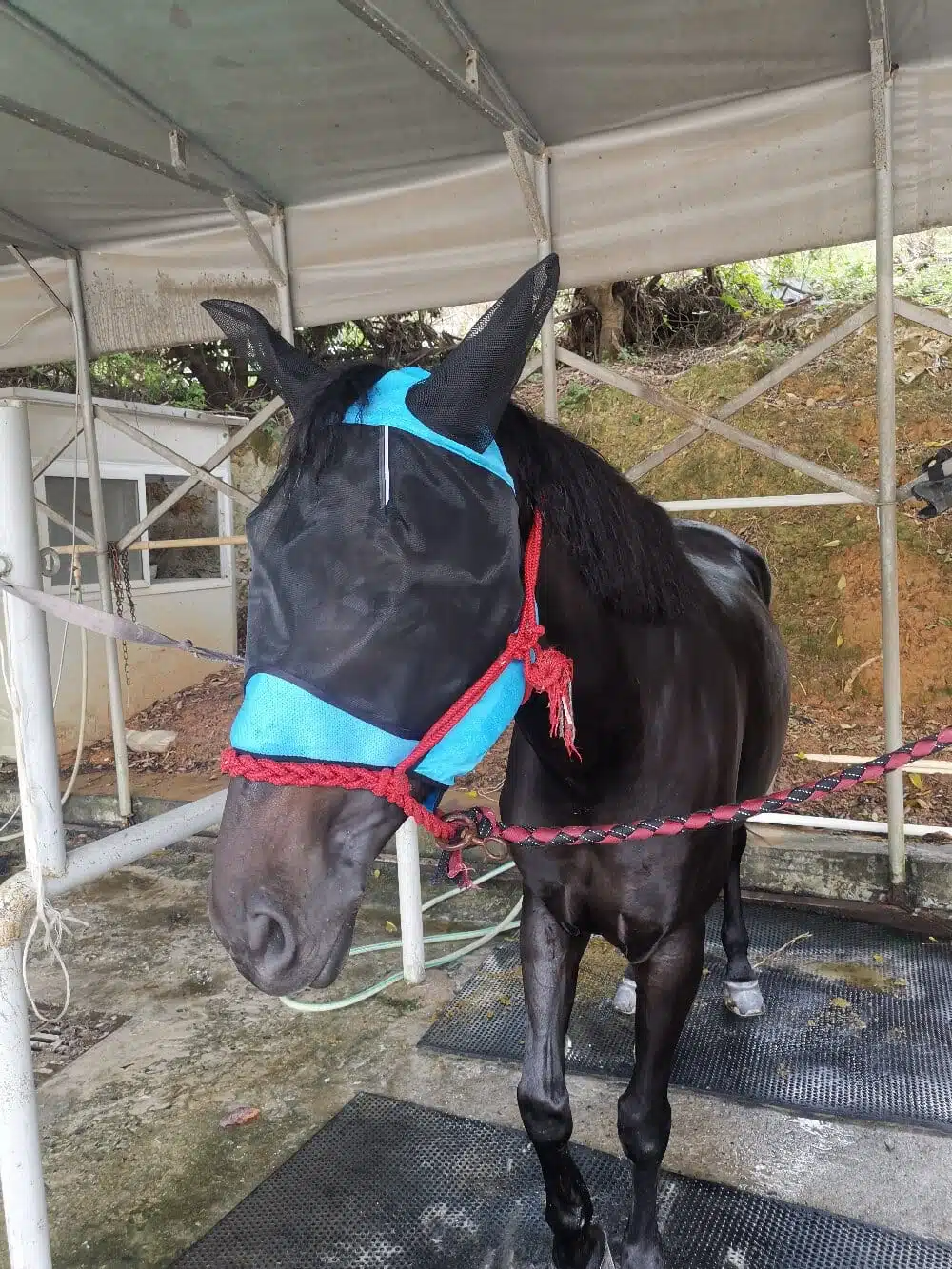

When you walk through a stable yard in summer, you will notice that the horse fly mask has become as familiar a sight as the saddle and bridle. For riders and horse keepers, this simple piece of mesh is far more than a piece of protective tack. It reflects a deep cultural relationship between humans and horses, one built on care, trust, and centuries of shared work. Understanding the fly mask from a cultural perspective helps you appreciate why this humble accessory carries so much meaning in the equestrian world.
The Horse Fly Mask as a Symbol of Stewardship
In equestrian culture, good horsemanship is measured by attentiveness. You do not simply ride a horse; you look after its comfort, health, and dignity. The fly mask embodies this ethic of stewardship. By shielding a horse’s eyes and ears from biting insects, you are practising a form of daily care that echoes traditions passed down through generations of grooms, farriers, and stable hands. In many riding communities, noticing a horse bothered by flies and reaching for a fly veil or insect shield is considered a mark of experience and empathy.
Regional Traditions and the Fly Veil
Different horse cultures have developed their own attitudes toward fly protection. In the British Isles, the fly veil is often associated with showing and dressage, where neatness and presentation matter. In warmer climates, from the Mediterranean to the American South, the equine fly mask is treated as essential summer equipment rather than a luxury. You will find variations in design too: some cultures favour fine mesh that covers the whole face, while others prefer fringed ear covers or masks trimmed with colourful binding that reflect local craft traditions. These differences show how a practical item can absorb regional identity and style.
Choosing the Right Horse Fly Mask for Your Routine
From a cultural standpoint, the way you use a fly mask says something about your approach to horse care. Consider these practical points as you select one:
- Fit and comfort: A well-fitted mask should sit clear of the eyes and allow full vision, with soft edges that avoid rubbing.
- Material: Breathable mesh is ideal for hot weather, while heavier fabrics suit horses turned out in rough pasture.
- Ear protection: If your horse is troubled by midges, choose a design with ear covers or a fly veil that extends over the poll.
- Durability: Pasture turnout demands strong stitching and secure fastenings that will not come loose.
- Seasonal use: Many owners keep two masks so one can be washed while the other is worn.
Etiquette, Routine, and Shared Knowledge
In stable culture, routines are social. You learn from other owners, compare notes on insect control, and pass on tips about which mask stays put during a gallop. The fly mask becomes part of the daily rhythm: checked in the morning, adjusted before turnout, removed at night. This shared knowledge creates community, and conversations about fly protection often open the door to wider discussions about nutrition, grooming, and pasture management. In this sense, the mask is a small artefact of a larger culture of care.
A Cultural Lens on Everyday Protection
Seen through a cultural perspective, the horse fly mask is a quiet expression of respect for the animals we work with and ride. It connects practical welfare with tradition, regional style, and the everyday rituals of stable life. Whether you are a first-time owner or a lifelong rider, choosing and using a fly mask thoughtfully shows that you understand the values of equestrian culture: attentiveness, patience, and genuine care for the horse.