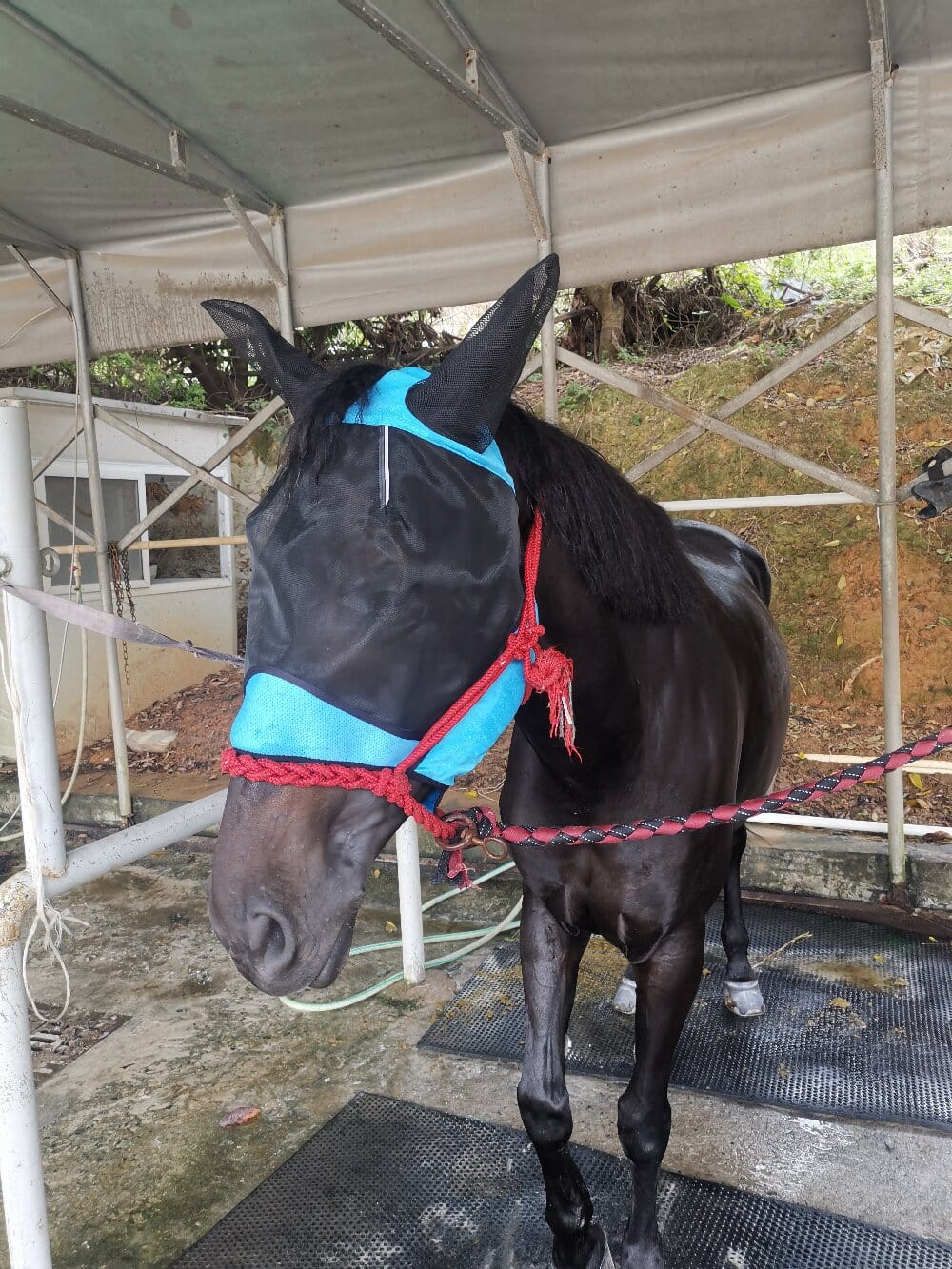
When you place a horse fly mask on your horse, you are participating in a tradition that stretches back through centuries of equestrian culture. Across civilizations, from the nomadic riders of the Eurasian steppes to the polished stables of European estates, humans have long recognized that caring for a horse means protecting it from the smallest of tormentors. In your own barn, that heritage lives on every time you fasten a fly mask before turnout. What might seem like a simple piece of mesh is actually a cultural artifact — a symbol of the enduring partnership between people and horses.
The Horse Fly Mask as a Symbol of Stewardship
In many equestrian communities, the daily ritual of fitting a fly mask reflects a deeper value: stewardship. You are not simply shielding your horse’s eyes from flies; you are continuing a generational contract of care. Think about the stable hands, trainers, and riders who came before you. They, too, learned to read a horse’s discomfort and respond with practical protection. The fly mask carries that knowledge forward, reminding you that good horsemanship is measured in small, consistent acts of attention.
Different cultures approach this care in distinct ways. In some traditions, protective gear is treated as a mark of a well-managed yard, while in others it is a personal choice tied to climate and terrain. Wherever you stand, the underlying principle is the same: your horse relies on you to interpret its needs, and the fly mask is one of the clearest expressions of that trust.
Reading the Seasons Through Your Horse’s Gear
Equestrian life has always been shaped by the rhythm of the seasons, and fly protection sits squarely within that calendar. You probably notice the shift yourself — as spring warms into summer, the buzz of insects returns, and your routine changes. Fitting a fly mask becomes as natural as adjusting blankets in winter or scheduling extra water in the heat. This seasonal awareness is part of a broader cultural literacy that experienced horse people share, passed down through observation rather than formal instruction.
Consider how this plays out in your own routine:
- Spring: you begin checking fit and condition as insects emerge.
- Summer: daily use becomes routine, especially during peak fly hours.
- Autumn: you inspect for wear before storage or continued use.
- Winter: you clean and repair gear for the season ahead.
Each step connects you to a larger community of riders who follow similar patterns, creating an unspoken shared language of care.
Etiquette, Tradition, and the Social Side of Fly Protection
In barn culture, gear choices often carry social meaning. A well-fitted mask signals that you pay attention to detail, while a ragged or poorly sized one may invite gentle advice from fellow boarders. You may have experienced this yourself: a stablemate noticing your horse’s mask and offering a tip about sizing or materials. These conversations are part of how equestrian knowledge circulates — informally, generously, and often across generations.
There is also a practical etiquette to fly masks. You learn to check that the mask does not rub, that it stays secure during turnout, and that it is removed regularly for inspection. These habits are not arbitrary rules; they are cultural norms refined by decades of collective experience, and following them marks you as a thoughtful member of the horse-keeping community.
Passing the Tradition Forward
Every time you teach a younger rider how to fit a fly mask correctly, you become part of the chain of transmission that keeps horsemanship alive. You are handing down not just a technique but an attitude — one of patience, observation, and respect for the animal in your care. In this sense, the humble fly mask is a thread woven through the fabric of equestrian culture, connecting past and future riders alike.
Conclusion
Viewed through a cultural lens, a horse fly mask is far more than protective mesh. It embodies stewardship, seasonal wisdom, barn etiquette, and the passing of knowledge between generations. The next time you fasten one onto your horse, you can recognize it for what it truly is: a small but meaningful expression of a timeless partnership.