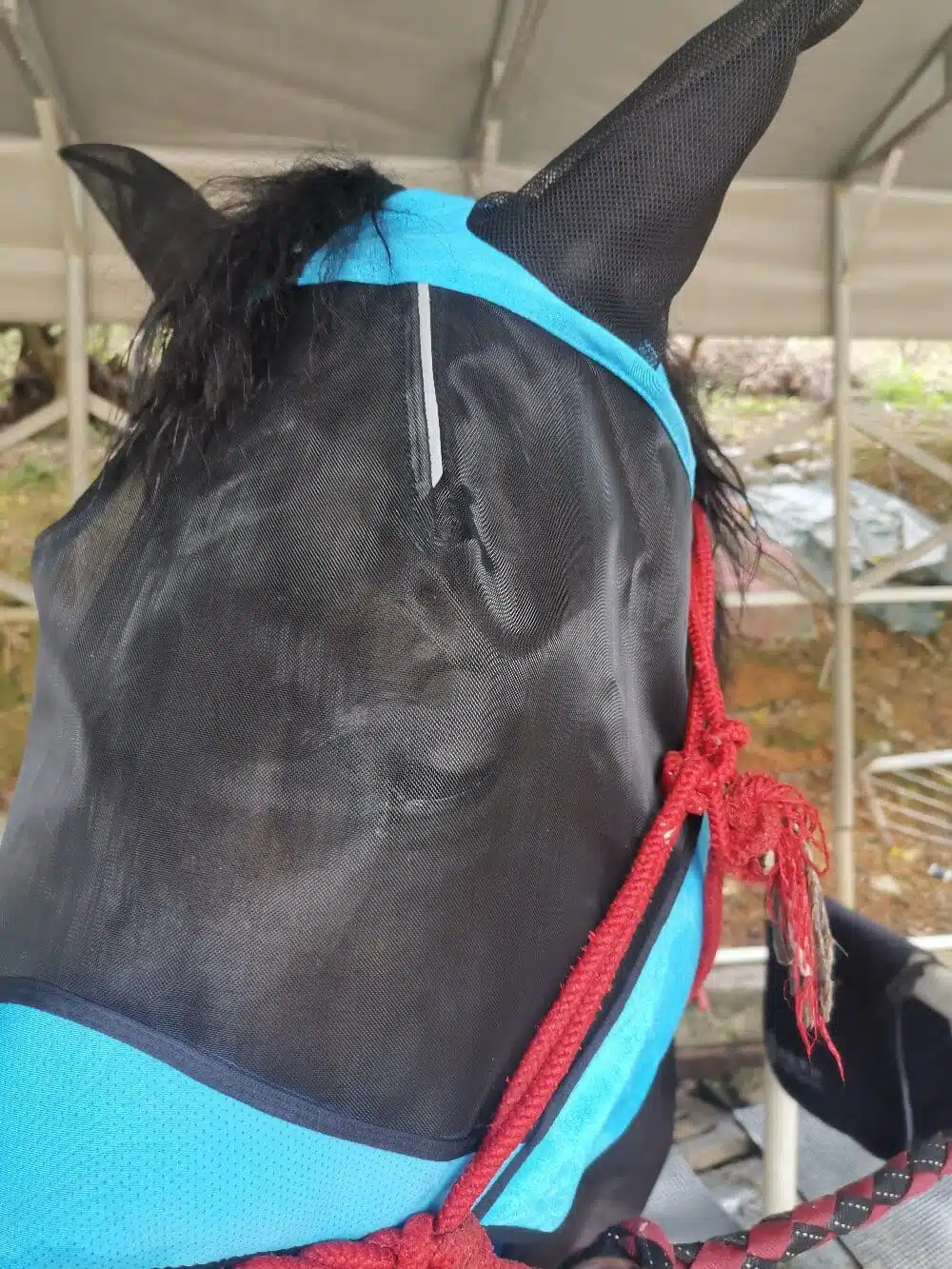

If you were a horse grazing in a sunlit pasture centuries ago, the buzzing cloud around your eyes was an inescapable torment. You would have known the sting of the fly, the swelling of the eyelid, and the frantic head-shaking that came with every attempt to find relief. Across history, the horse fly mask has evolved from a crude necessity into a precisely engineered piece of equine gear, and understanding that journey helps you appreciate the protection you can offer your own animal today.
Long before synthetic mesh existed, horsemen in ancient Egypt, Rome, and the Middle East recognized that flies around the eyes caused more than discomfort. You would have seen stable hands burning damp straw to create smoke screens, or draping coarse linen over a horse’s face during peak fly season. These early attempts were flawed: smoke irritated the lungs, and cloth blocked vision. Yet the intent was unmistakable—shielding the eye from flying insects was worth the effort.
By the Middle Ages, references to face coverings for horses appear in European stable records. Knights preparing for long campaigns often fitted their mounts with leather or woven fabric that left the eyes and ears exposed but covered the forehead. You might notice that these designs prioritized armor over insect control, but they planted a seed: the horse’s head deserved dedicated protection.
The Horse Fly Mask in the Industrial Age: Materials Change Everything
The nineteenth century brought wire, canvas, and the first mass-produced equine accessories. You would have found catalogs advertising “fly nets” made from knotted cord, sold alongside combs and hoof picks. These nets hung loosely over the face and offered moderate relief, but they snagged on fences and rubbed the delicate skin around the eyes. Veterinarians of the era began noting that poorly fitted gear caused more harm than the flies themselves.
The real turning point arrived in the twentieth century with the invention of synthetic polymers. Nylon and polyester meshes could be woven fine enough to exclude even the smallest biting midges while remaining lightweight and breathable. You would have seen this shift reflected in farm supply stores after the 1950s, where the modern horse fly mask began to take recognizable shape: a mesh dome with soft binding, adjustable straps, and cutouts for the ears and muzzle.
Why the Horse Fly Mask Became a Standard Tool
By the late twentieth century, equine ophthalmologists linked repeated fly bites to conjunctivitis, corneal ulcers, and a condition called habronemiasis, caused by worm larvae deposited around the eye. You no longer needed to guess why protection mattered—research made it clear. A well-made mask reduced tear staining, prevented summer sores, and allowed horses with light-sensitive conditions like uveitis to graze comfortably.
Modern designs have refined the concept further. You can now choose from:
- Fine-mesh masks for tiny gnats and sand flies
- UV-blocking fabrics for horses with pink skin or eye conditions
- Ear and nose extensions for full-face coverage
- Fleece-lined seams to prevent rub marks
- Reflective trim for visibility in low light
Each innovation addresses a specific failure of the past. Where a medieval cloth slipped and blinded the horse, a contemporary mask stays in place through rolling, grazing, and galloping.
Fitting Lessons From History You Can Apply Today
Historical horsemen learned the hard way that a loose mask is dangerous and a tight one is cruel. You should follow the same rule: the mask must sit clear of the eyelashes, allow full forward vision, and stay put without pressure. Measure from the poll to the tip of the nose, then check that the mesh does not collapse against the eye when the horse lowers its head. Rotate between two masks if you ride daily, and inspect seams for wear before every use.
A Brief Timeline of Equine Eye Protection
- Ancient era: smoke, cloth, and leather coverings
- Medieval period: padded brow bands and campaign gear
- 1800s: knotted cord fly nets in farm catalogs
- 1950s onward: synthetic mesh masks become affordable
- Today: UV-blocking, ergonomic, species-specific designs
From smoky stables to advanced polymer engineering, the story of the horse fly mask is one of persistent observation and gradual improvement. You inherit centuries of trial and error every time you buckle a mask behind your horse’s ears. Choose a well-fitted model, check it daily, and let history’s hard-won lessons keep your horse’s eyes calm, clear, and free from the torment that once plagued every grazing hour.