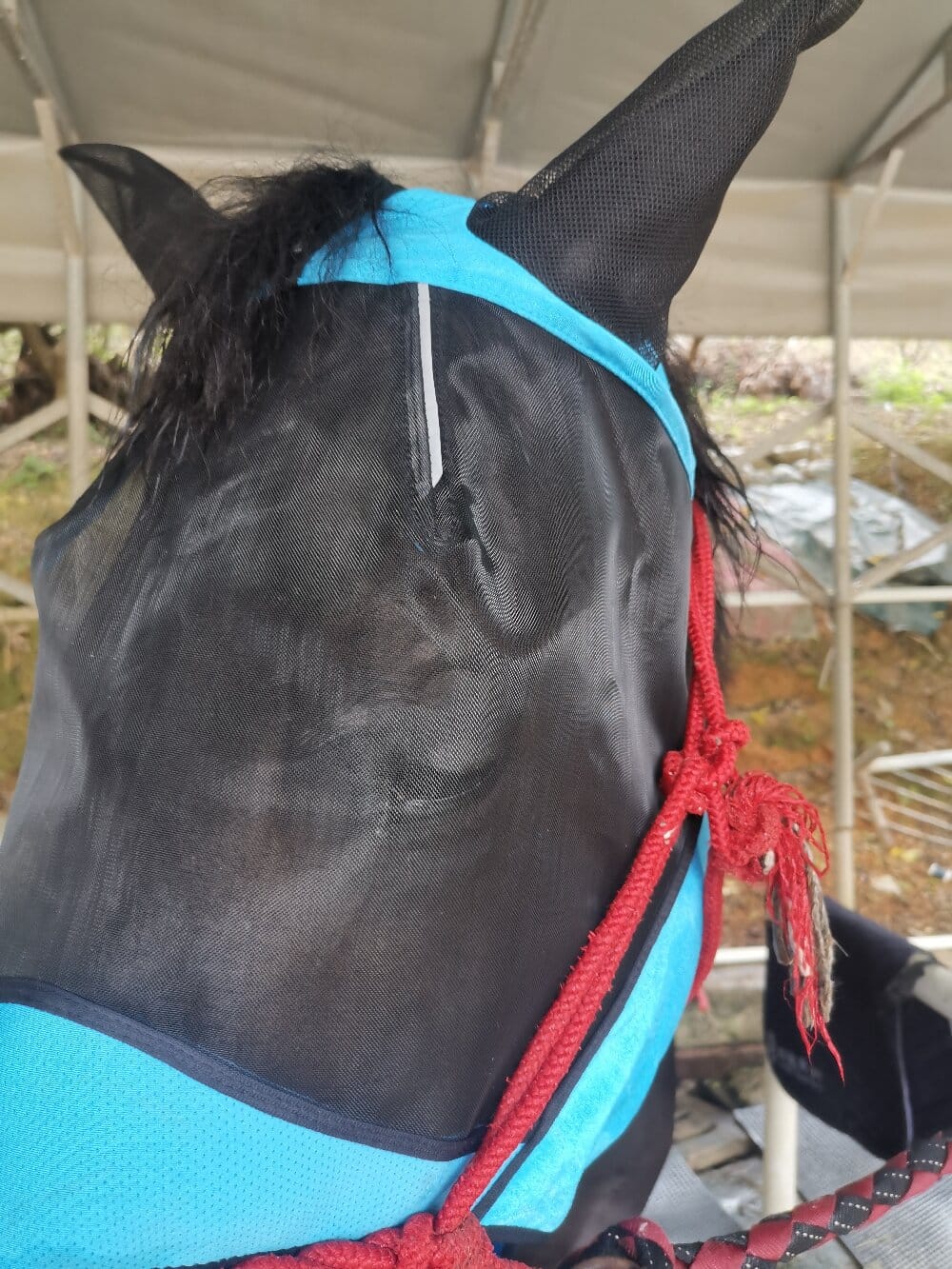
If you’ve spent any time at the barn this season, you’ve probably noticed that the humble horse fly mask has quietly evolved into one of the most talked-about pieces of tack in modern equestrian care. Gone are the days when a basic mesh hood was an afterthought thrown on during peak bug season. Today’s fly masks are engineered, stylish, and built around real-world welfare science, and if you’re not paying attention to the latest trends, you might be leaving your horse more exposed than necessary. Whether you ride competitively, keep a retired companion, or manage a whole herd, understanding what’s new in fly protection will help you make smarter choices for comfort and health.
The Latest Trends Shaping Horse Fly Mask Design
Manufacturers have clearly been listening to owners and veterinarians alike. The newest generation of fly masks focuses on three big ideas: better visibility, longer-lasting materials, and targeted coverage. You’ll find ergonomic designs that follow the contours of the equine skull rather than hanging loosely, which reduces rubbing and slippage during turnout. Lightweight, breathable mesh is now treated with UV-blocking properties, helping to protect sensitive skin around the eyes and muzzle from sunburn as well as insects. Many models now include reinforced binding at the edges, adjustable touch-close straps, and fleece-lined brow bands to prevent pressure points. If you’ve struggled with masks that shift or tear within a week, the latest options are worth a fresh look.
Choosing the Right Horse Fly Mask for Your Routine
Before you buy, think about how your horse actually spends its day. A pasture-kept horse that stands in tall grass needs full-face coverage and durable stitching, while a stabled show horse may only need a streamlined mask for hacking and turnout. Consider these practical factors:
- Coverage level: Standard eye-and-ear masks suit most horses, but extended styles with nose protection help those prone to sunburn or sensitive muzzle skin.
- Ear design: Removable or soft mesh ears reduce irritation and make cleaning easier.
- Fit and adjustability: Look for multiple strap points so you can fine-tune the fit and keep the mask seated without overtightening.
- Visibility: Modern fine mesh lets your horse see clearly, which reduces stress and the risk of spooking.
- Washability: Removable components and machine-washable fabrics make routine hygiene far simpler.
Materials and Comfort: What’s New Under the Mesh
Fabric technology has come a long way. You’ll now see fly masks made with cooling, moisture-wicking textiles that reduce heat buildup on hot afternoons, along with softer binding tapes that minimize friction behind the ears. Some brands are incorporating reflective piping for visibility in low light, and others are offering coordinated sets that match fly sheets and leg wraps. Sizing has also improved, with pony, cob, horse, and draft-specific cuts becoming more common, which means you’re less likely to compromise on fit. The overall trend is toward products that feel less like bulky protective gear and more like comfortable everyday wear.
Care Tips to Get More Seasons Out of Your Mask
Even the best fly mask will wear out faster without proper care. Rinse off dust and sweat regularly, check straps for fraying, and hand-wash delicate mesh to preserve its shape. Rotating between two masks extends the life of each and ensures your horse always has clean protection available. Inspect the eye area frequently for rub marks, and replace any mask with holes or stretched elastic—small tears can quickly become eye injuries.
Final Thoughts
The modern fly mask is no longer a simple seasonal accessory; it’s a thoughtful piece of protective equipment that blends welfare, durability, and design. By staying current with these trends and choosing a mask that fits your horse’s lifestyle, you’ll keep insects, sun, and irritation at bay while supporting comfort and clear vision all season long.