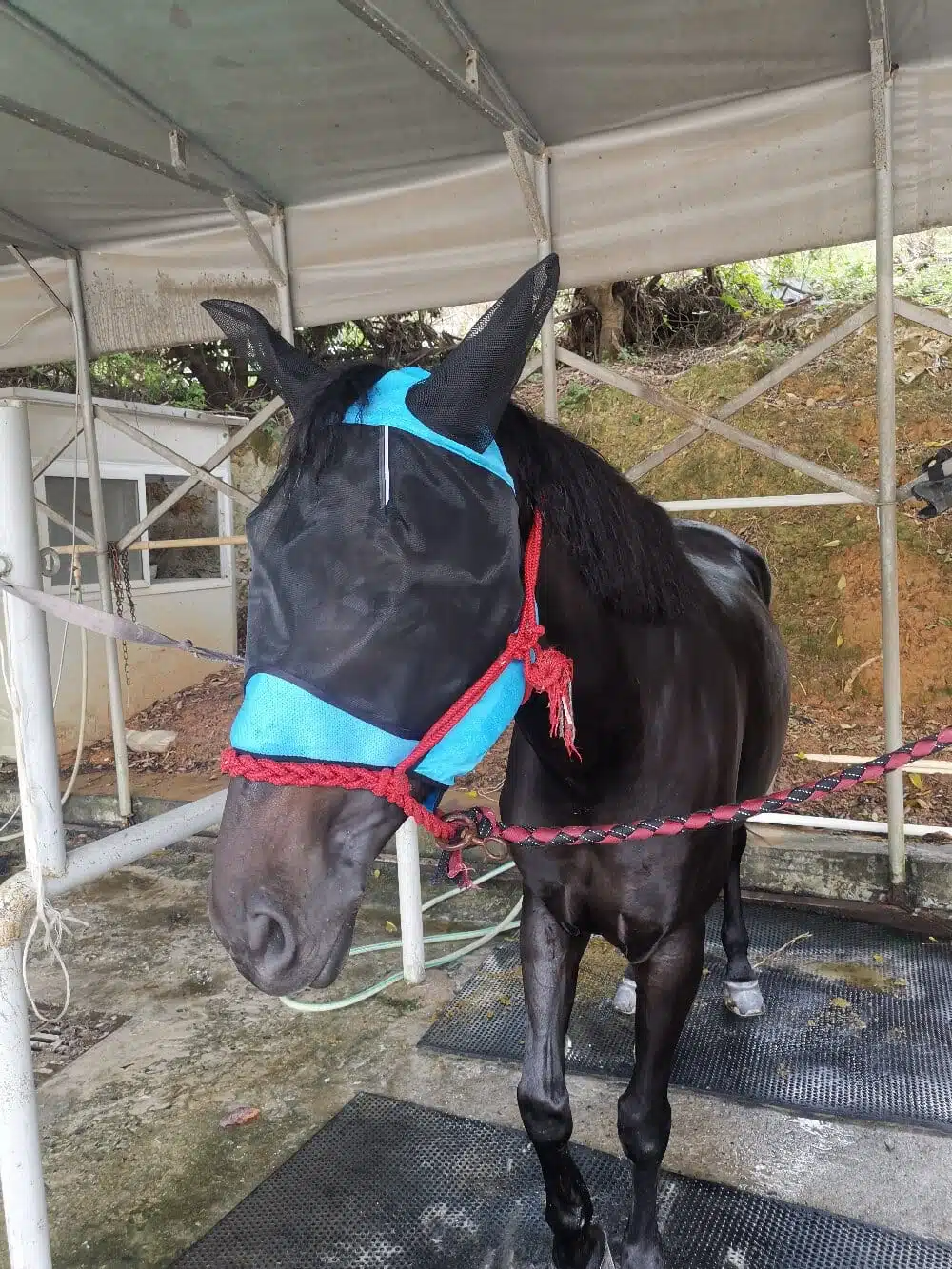

I’ll be honest: for years I treated the horse fly mask as an afterthought — something I grabbed at the tack shop when the summer insects got unbearable. But this season, I’ve noticed a real shift in how riders, veterinarians, and product designers are talking about fly protection, and it’s made me rethink everything. The latest trends point toward smarter fabrics, better fit, and a deeper understanding of equine eye health, and I want to share what I’ve learned so you can make a more informed choice for your own horse.
The Latest Trends Shaping Horse Fly Mask Design
What’s changed most is the materials. In the past, most masks were made from stiff mesh that rubbed behind the ears and trapped heat. Today’s leading designs use soft, breathable knits with four-way stretch, often treated with UV-blocking finishes. I’ve been testing a few of these newer styles on my gelding, and the difference is noticeable — less sweating underneath, fewer rub marks, and far less head-shaking on trail rides.
Another trend I’m excited about is ergonomic shaping. Instead of a one-size-fits-all cone, manufacturers are cutting masks to follow the contours of the horse’s skull, with darts over the cheekbones and longer nose coverage. This matters because a poorly fitted mask can press against the eyelashes or slip down over the eyes, which is both uncomfortable and unsafe. Adjustable throat straps and elasticized poll bands are becoming standard, and I consider them non-negotiable now.
Fit and Visibility: What I Look For in a Horse Fly Mask
Fit is where most cheap masks fail, and it’s the reason I’ve become pickier. Here’s my personal checklist when I’m shopping:
- Clear, unobstructed vision — the mesh over the eyes should be fine enough to block tiny flies but transparent enough that my horse doesn’t spook.
- No pressure on the eyelashes or the bridge of the nose.
- Soft binding at the edges to prevent rubs during turnout.
- A secure but gentle closure that stays put without pinching.
- Ear coverage options — some horses need it, others hate it, so I like masks that offer both.
I also look for reflective piping now, which is a small detail that’s gaining traction. It makes horses easier to spot at dusk, and since many of us turn out early or late to avoid peak heat, that visibility is genuinely useful.
Beyond the Basics: UV Protection and Eye Health
One trend that deserves more attention is the link between fly masks and sun protection. Horses with pink skin around the eyes, or those diagnosed with uveitis, benefit enormously from masks that block UV rays. I’ve started treating my fly mask purchase as part of a broader eye-care routine rather than just an insect barrier. Pairing a well-fitted mask with fly spray around the body and diligent stall management has cut down on the watery eyes and head-rubbing I used to see every July.
I’ve also noticed more riders rotating between two masks — one for turnout, one for riding — and washing them weekly. The trend toward machine-washable, quick-dry fabrics makes that practical, and it keeps bacteria and dirt from building up against the skin.
My Takeaway
The modern horse fly mask has evolved from a simple mesh hood into a genuine piece of protective equipment. If you’re upgrading this season, prioritize soft breathable fabric, precise ergonomic fit, clear visibility, and UV protection where it counts. I’m convinced that a little research here pays off in calmer, more comfortable horses — and fewer vet visits when the bugs are at their worst.