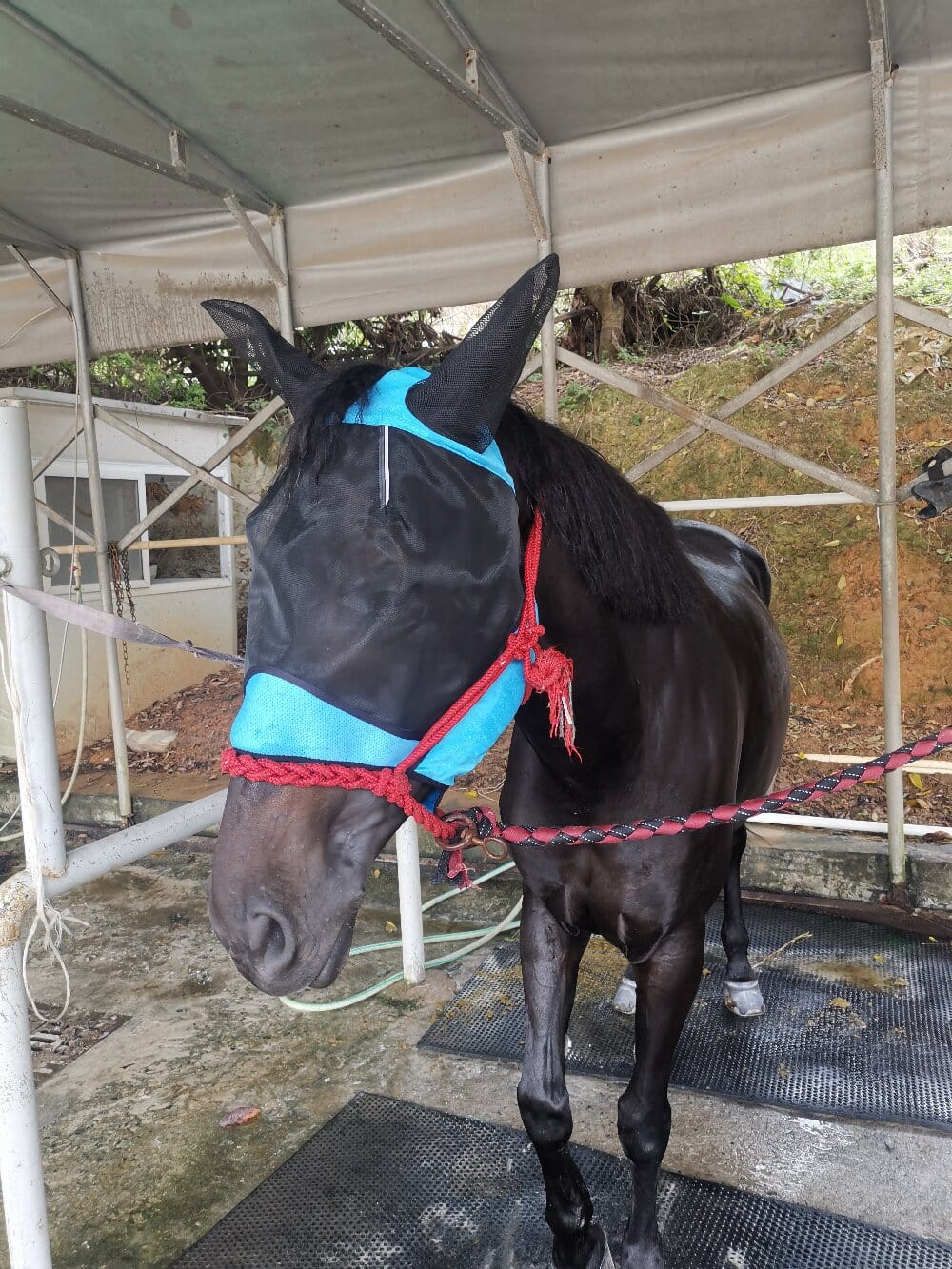
As an equine care specialist, I can tell you that a quality horse fly mask is one of the most cost-effective pieces of protective gear you can invest in for your horse. If you’ve ever watched your horse stomp, swish, and head-toss through the summer months, you already know how relentless flies can be. In this guide, I’ll walk you through what to look for, how to fit one properly, and why this simple piece of equipment deserves a permanent spot in your tack room.
Understanding What a Horse Fly Mask Actually Does
You might think of a fly mask as a simple mesh hood, but its job is more nuanced than most people realize. A well-designed mask creates a physical barrier that keeps biting insects away from your horse’s sensitive eyes, ears, and muzzle. Beyond comfort, this barrier helps prevent several serious issues:
- Eye irritation and infections such as conjunctivitis, which flies can spread quickly in a herd
- Insect bite hypersensitivity, including sweet itch and summer eczema
- UV protection, which matters greatly for horses with pink skin around the eyes or those prone to uveitis
- Reduced stress, since constant fly pressure elevates cortisol and can affect appetite and performance
From my experience working with veterinarians and barn managers, horses that wear masks consistently during fly season show noticeably less head-shy behavior and fewer eye-related vet visits.
How to Choose the Right Horse Fly Mask
Not all masks are created equal, and the wrong one can rub, slip, or fail to protect. Here’s what I recommend you prioritize when shopping:
- Mesh density: Look for a fine mesh that blocks tiny gnats and midges while still allowing airflow. Coarse mesh lets the smallest pests through.
- Fit and adjustability: Seek soft fleece binding at the edges and adjustable touch-and-close straps. A mask should sit away from the eyes without gaps at the cheeks.
- Ear coverage: If your horse is bothered by ear flies, choose a design with ear pockets or removable ear covers.
- Durability: Reinforced stitching and UV-resistant fabric extend the life of the mask through daily turnout.
- Muzzle and nose options: Some designs extend protection to the nose, which helps horses prone to sunburn or sweet itch on the face.
I always suggest buying two masks per horse, so you have one to wash while the other is in use.
Fitting and Maintaining Your Fly Mask Like a Pro
Proper fit is where most owners run into trouble. You should be able to slide two fingers under the straps, and the mask should not shift when your horse shakes its head. Check daily for rubbing, especially behind the ears and along the jawline. Wash the mask weekly in mild soap and warm water, rinse thoroughly, and air-dry it out of direct sunlight. Inspect straps and seams regularly, and replace any mask that has stretched or torn, since a loose mask can catch on fencing and become a hazard.
Final Thoughts
A horse fly mask is a small investment that delivers big returns in comfort, health, and peace of mind. By choosing a well-fitted, fine-mesh design, rotating between two masks, and checking fit daily, you’ll keep your horse protected through even the worst fly season. Your horse will thank you with a calmer, healthier summer.