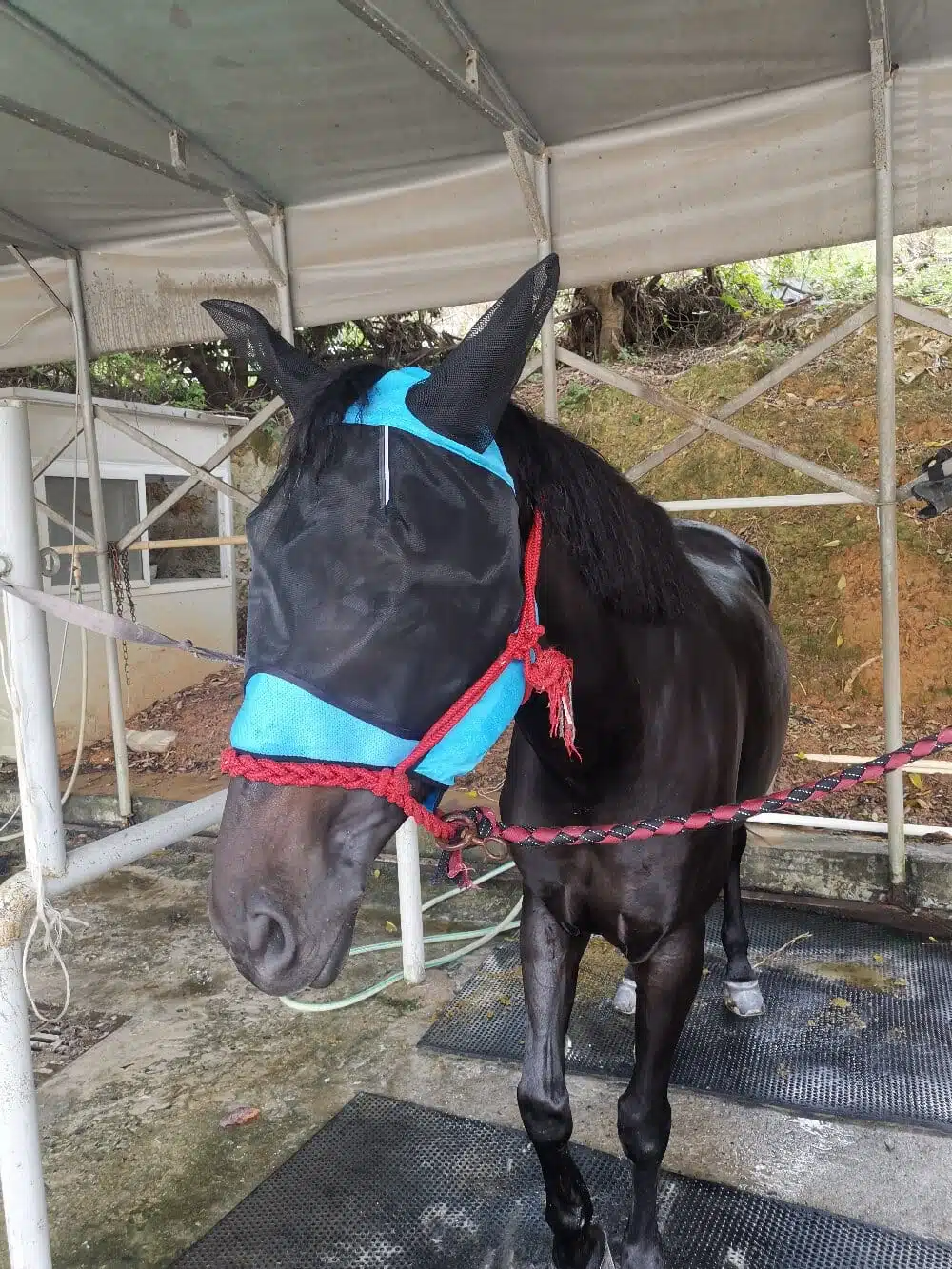

A horse fly mask is one of the simplest yet most effective pieces of equine protective gear, shielding sensitive eyes and ears from biting insects, harsh sunlight, and airborne debris. For owners managing horses through fly season, trail rides, or turnout in open pasture, understanding how these masks work—and how to choose the right one—can make a meaningful difference in comfort and health. This practical guide walks through the key considerations, from fit and materials to maintenance and seasonal use, so buyers can make informed decisions for their animals.
Understanding What a Horse Fly Mask Does
These masks are lightweight face covers, typically made from fine mesh, that fit over the horse’s head and fasten under the jaw or across the throat. The mesh blocks flies, gnats, and mosquitoes from reaching the eyes and ears while still allowing airflow and visibility. Many designs also reduce glare and protect against UV exposure, which is particularly useful for horses with pink skin around the eyes or those prone to photosensitivity.
Beyond insect defense, a well-made mask can help prevent eye irritation caused by dust and seed heads. Horses that rub their faces against fences or stall walls due to fly pressure may develop sores or lose mane hair; a mask reduces that behavior by removing the source of irritation.
How to Choose the Right Horse Fly Mask
Selection comes down to fit, material, and the specific needs of the horse. The following criteria are worth reviewing before purchase:
- Fit and sizing: Measure from the poll to the muzzle and around the jaw. A mask that is too loose can shift or slip over the eyes; one that is too tight causes rubs.
- Mesh density: Finer mesh offers better protection against tiny gnats, while slightly coarser mesh improves airflow in hot climates.
- Ear coverage: Removable or built-in ear covers protect against ear flies, but they must not block hearing or trap heat.
- Fastening system: Look for adjustable hook-and-loop straps or buckle closures that stay secure without creating pressure points.
- UV protection: Masks with added UV-blocking fabric are ideal for horses with sensitive skin or those living in intense sunlight.
Fitting and Adjustment Tips for Horse Fly Masks
Correct placement is essential. The mask should sit high enough on the forehead that it does not rest on the eyes, with the lower edge clearing the nostrils so breathing is unrestricted. Straps should be snug but allow two fingers to slide underneath. Check daily for rubbing along the cheekbones, behind the ears, and under the jaw, especially during the first week of use. Horses that wear masks during turnout should be inspected each evening for displacement, debris trapped inside the mesh, or signs of irritation.
Care, Durability, and Rotation
Regular cleaning extends the life of any fly mask and protects the horse’s skin. Most mesh masks can be hand-washed in mild soap and warm water, then air-dried away from direct heat. Rotating between two masks allows one to dry fully while the other is in use, reducing bacterial buildup. Inspect seams, straps, and mesh for tears monthly; a small hole can enlarge quickly and allow insects through. Storing masks in a clean, dry place when out of season prevents mildew and fabric degradation.
When to Use a Fly Mask and When to Skip It
These masks are most valuable during peak fly season, in pasture turnout, and for horses with eye conditions such as uveitis or squamous cell carcinoma risk. They are generally not recommended for unsupervised horses in dense brush where the mask could snag, or for horses that reliably remove headgear. Introduce a mask gradually, allowing short supervised sessions before full-time turnout use.
Summary
Choosing and maintaining a horse fly mask is a straightforward but important part of equine care. Prioritize proper fit, appropriate mesh and UV protection, secure fastenings, and routine cleaning and inspection. With the right mask and consistent attention to fit, owners can reduce fly-related stress, protect sensitive eyes, and support healthier, more comfortable horses throughout the season.