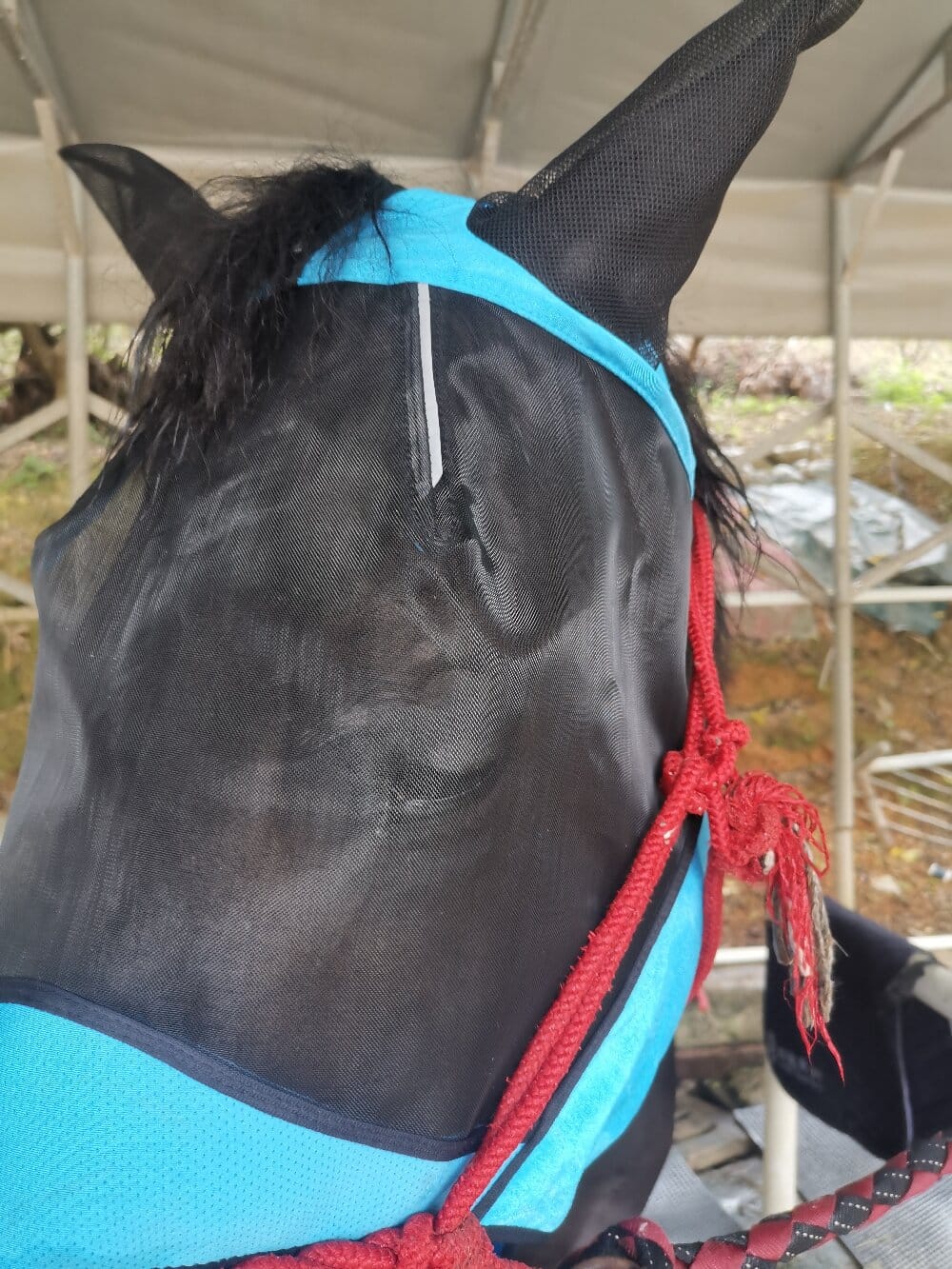
I still remember the first summer I noticed my gelding, Cooper, stomping his hooves raw and tossing his head against the fence. The culprit was obvious: flies. That’s when I began researching the best horse fly mask I could find, and after several seasons of trial and error, I’ve learned what actually works in the field. This practical guide shares the lessons I wish someone had handed me on day one, from fit and fabric to daily maintenance and common mistakes.
What a Horse Fly Mask Actually Does
Before spending money, it helps to understand the job. A quality fly mask for horses acts as a physical barrier, keeping biting insects away from the eyes, ears, and muzzle. Unlike fly spray, which wears off within hours, a well-fitted mask offers continuous protection during turnout. I’ve found the biggest benefits come in three areas:
- Reducing eye irritation and the risk of conjunctivitis or corneal scratches
- Preventing fly bites around the ears and poll, which cause head shaking and stress
- Lowering overall insect pressure so my horse can graze and rest calmly
Some masks also incorporate UV-blocking mesh, which is a bonus for horses with pink skin or those prone to sunburn on the muzzle.
How I Choose the Right Horse Fly Mask
Not all masks are created equal, and I learned that the hard way after buying a cheap one that rubbed Cooper’s face within a week. Here is the checklist I now follow before purchasing:
- Measure first. Use a soft tape to measure from the poll to the end of the nose, plus the width across the brow. Sizing charts vary by brand, so always check the manufacturer’s guidance.
- Check the mesh. Fine mesh blocks tiny flies but can limit airflow; I prefer a breathable weave that still keeps insects out during hot weather.
- Look at the edges. Fleece or soft binding along the seams prevents rubbing, especially around the noseband and ear openings.
- Consider ear coverage. If your horse is bothered by ear flies, a mask with attached ear covers is worth the extra cost.
- Test the fastenings. Adjustable hook-and-loop straps should be secure but not tight enough to leave marks.
Fitting Tips I Wish I’d Known Sooner
Getting the fit right matters more than the brand name. I always introduce a new mask slowly, letting Cooper sniff it and wear it briefly in the stable before turning him out. A few practical rules I follow:
- You should be able to slide two fingers under every strap.
- The mask should sit clear of the eyes without pressing on lashes.
- Check daily for rub marks, especially behind the ears and along the jaw.
- Remove the mask during violent weather or if your horse is turned out with playful herdmates that like to grab straps.
Cleaning and Maintenance Routine
Dirt and sweat degrade mesh quickly, so I rinse Cooper’s mask every few days with mild soap and warm water, then air-dry it in the shade. I inspect seams and straps weekly and replace the mask at the first sign of fraying. A spare mask on hand has saved me more than once when one needed repairs.
Final Thoughts on Protecting Your Horse
In my experience, a properly fitted horse fly mask is one of the most cost-effective comfort tools you can buy. Focus on accurate measurements, breathable mesh, and soft edges, then keep up with cleaning and fit checks. Do that, and your horse will spend far less time stomping and far more time enjoying turnout.