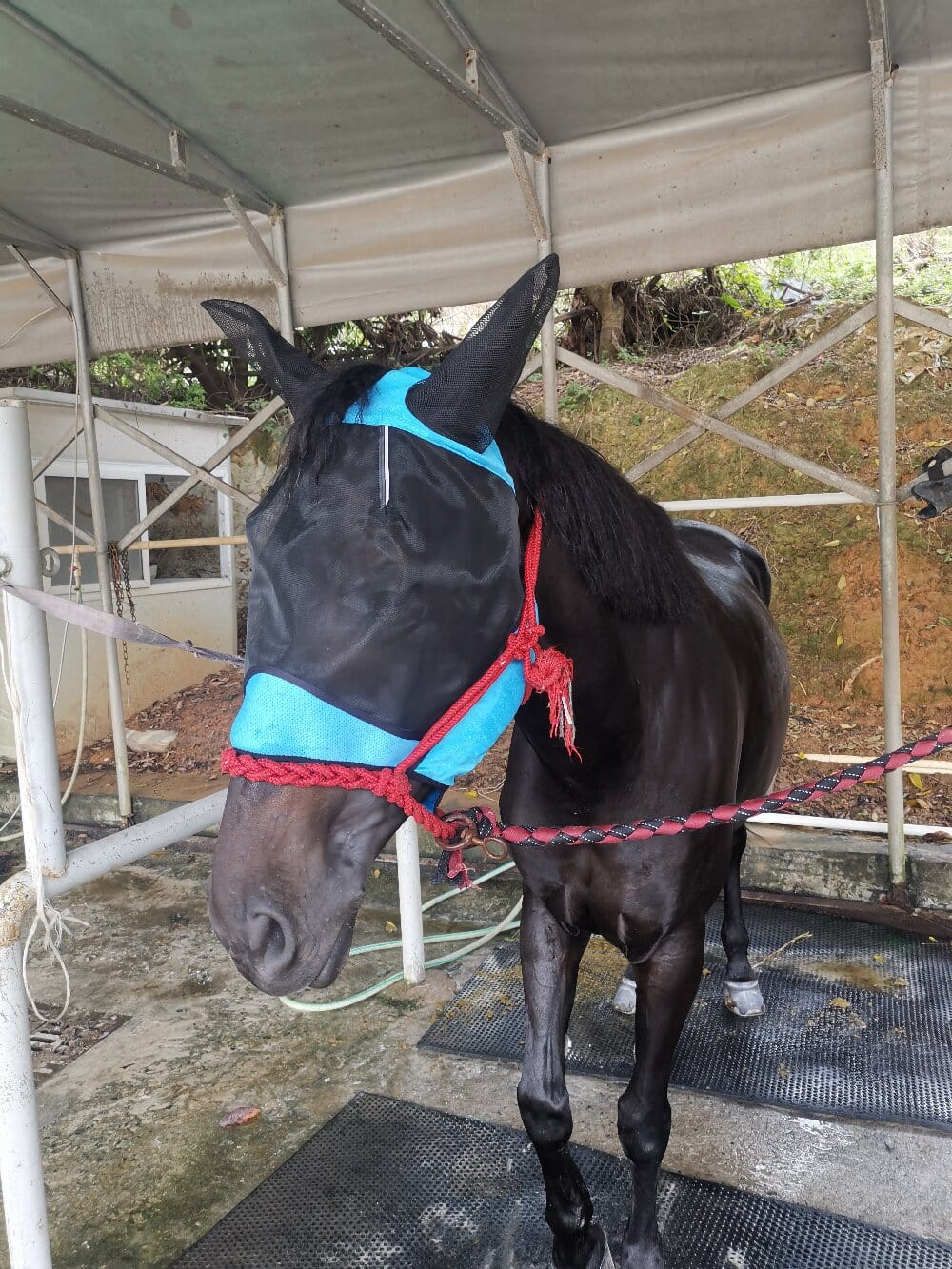
When I first brought my gelding home, I underestimated how much flies would affect his comfort and attitude. A friend handed me a horse fly mask and told me it would change our summer routine. She was right. Over three seasons of trial, error, and a few shredded masks, I have learned what actually works, what fails in the field, and how to choose a fly mask that horses will tolerate. This is a practical, experience-based look at fly masks from several angles: the horse’s perspective, the barn manager’s budget, the rider’s schedule, and the vet’s advice.
What a Horse Fly Mask Actually Does
From the horse’s point of view, a fly mask is relief. Flies cluster around the eyes and ears because those areas are soft, warm, and hard to reach with a tail. A good mask creates a physical barrier that stops face flies, stable flies, and gnats from landing on sensitive skin. Mesh fabric allows airflow and visibility while blocking insects. Many designs also shield the ears and the top of the head, where horseflies bite hardest.
From the barn manager’s perspective, the benefits go beyond comfort. Fewer flies around the eyes mean less rubbing, fewer weepy eyes, and lower risk of conjunctivitis or corneal irritation. Horses that are not constantly swatting and stomping are calmer, eat more consistently, and are easier to handle. My barn owner noticed fewer head-shaking episodes in the herd within a week of everyone fitting masks.
Choosing the Right Horse Fly Mask: Lessons From the Field
My first mask was cheap and lasted nine days. The second one fit poorly and rubbed the base of my horse’s ears. The third finally clicked, and I have refined my checklist since:
- Fit over fashion: Measure from the poll to the muzzle and check the ear openings. A mask that gaps at the throat lets flies in; one that is too tight causes rub marks.
- Mesh density matters: Finer mesh blocks tiny gnats, but it can trap heat. For hot climates, look for breathable UV-blocking fabric with reinforced binding.
- Ear coverage: If your horse has a history of ear plaques or summer sores, choose a mask with soft ear covers rather than open holes.
- Fastenings: Velcro wears out; double straps and elastic throat closures hold up better in turnout. Check daily for wear.
- Turnout vs. riding: Many riders keep a fly mask on during turnout and remove it before work. Some horses happily wear a streamlined riding version under a bridle, but always test for rubbing first.
A vet I consult with adds one more point: inspect eyes and ears daily. Even the best fly mask can hide a developing issue, so lift the mask, check the skin, and clean the mesh weekly.
Multi-Perspective Tips for Daily Use
Riders love masks that stay put during turnout but come off easily for grooming. Budget-conscious owners appreciate masks that survive a season with minor stitching repairs. Horses, of course, vote with their behavior: a relaxed horse that stops head-tossing is the best review. Rotate two masks per horse so one can be washed while the other is worn, and introduce the mask slowly with treats and short sessions.
Final Thoughts on Fly Mask Selection
After three summers, I treat a horse fly mask as essential gear rather than an accessory. Prioritize fit, airflow, and durable fastenings, check the horse daily, and replace worn masks before they fail. Do that, and both you and your horse will spend less time battling insects and more time enjoying the season.