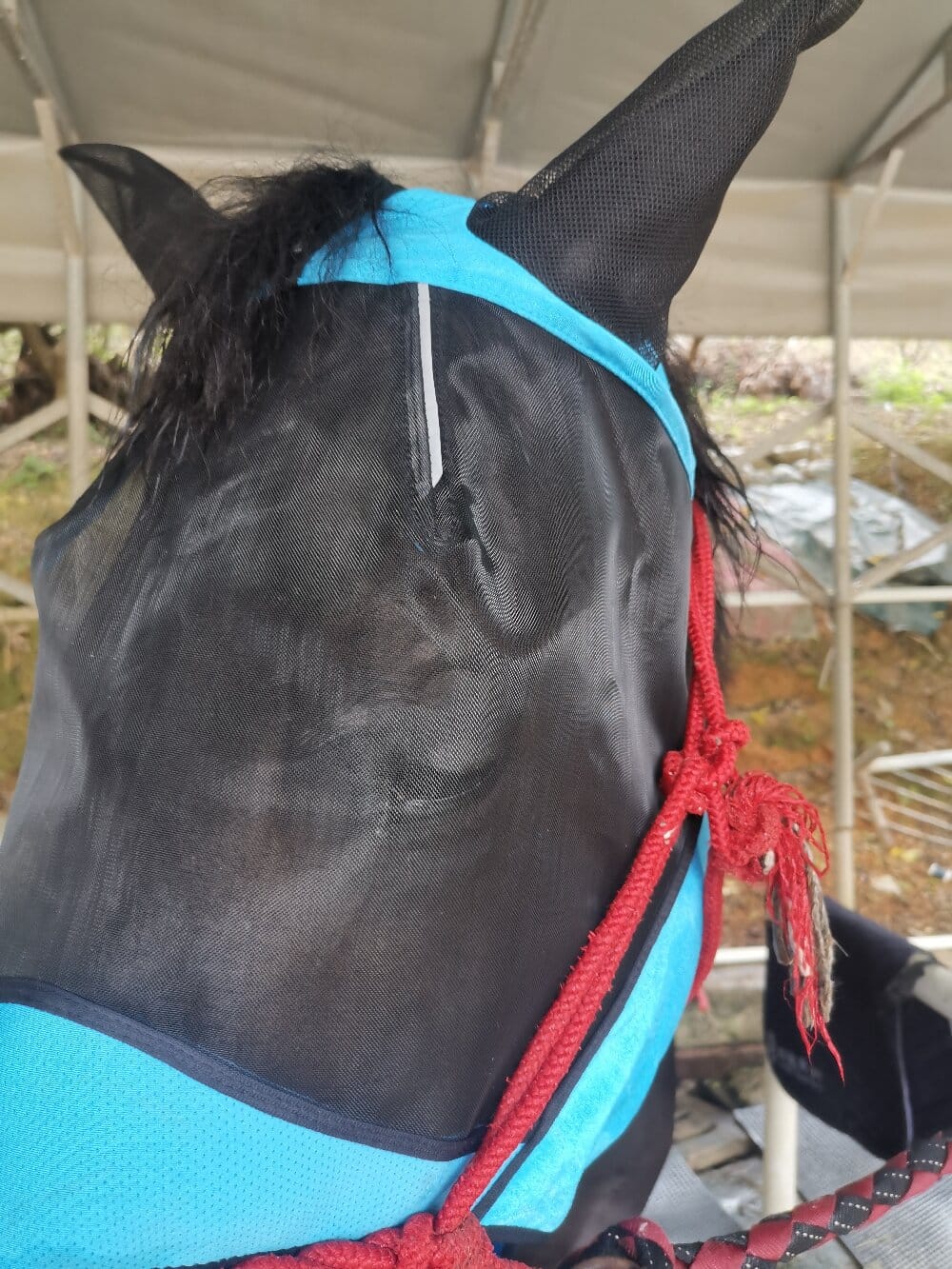
When I first brought my gelding home, I underestimated how much flies would affect his comfort and training. After watching him stomp, toss his head, and rub his face raw against the fence, I finally tried a horse fly mask — and it changed our daily routine. A good fly mask for horses is more than a seasonal accessory; it is a practical welfare tool that protects sensitive eyes and ears from flies, gnats, and harsh sunlight. In this experience-based guide, I will share what I learned from fellow boarders, trainers, and my own trial and error so you can choose and use one with confidence.
What a Horse Fly Mask Actually Does
From a veterinarian’s perspective, the main benefit is simple: reducing irritation and the risk of eye injuries. Flies cluster around the corners of the eyes and ears, and constant rubbing can lead to conjunctivitis or corneal scratches. A fly mask for horses acts as a physical barrier while still allowing airflow and vision.
From a barn manager’s point of view, masks also cut down on head shaking and stress during turnout, which means calmer horses and fewer vet visits. And from a rider’s perspective, a comfortable mask means fewer distractions under saddle and less time spent applying fly spray around delicate facial areas.
- Blocks flies, gnats, and biting insects from the eyes and ears
- Reduces UV exposure and glare for light-sensitive horses
- Helps prevent self-trauma from rubbing and head tossing
- Decreases reliance on facial fly sprays and ointments
Choosing the Right Fly Mask for Horses: Lessons From the Barn Aisle
My first mistake was buying based on color rather than fit. A mask that gaps at the edges lets insects slip underneath, while one that is too tight rubs the forehead and cheekbones. Here is the checklist I now use, built from conversations with other owners and my own trial and error:
- Measure correctly. Use a soft tape from under the jaw, up over the forehead, and around the cheeks. Sizes vary by brand, so check each manufacturer’s chart.
- Check ear and eye clearance. Ear covers should not fold or press on the ears, and the eye mesh should sit away from the lashes.
- Look at strap design. Wide, adjustable throat straps with fleece padding reduce rubs; breakaway or Velcro closures add safety in the field.
- Consider mesh density. Fine mesh blocks tiny gnats but can reduce airflow; mid-weight mesh suits most climates, while a lighter option helps in extreme heat.
- Match the season. A fly mask for horses with UV protection is ideal for summer, while a breathable, lighter mask works for sensitive-skinned horses year-round.
Real-World Tips for Daily Use
Even the best fly mask needs maintenance. I check mine every morning for tears, stretched straps, and debris caught in the mesh. Rotating two masks extends their life, and rinsing them weekly with mild soap keeps dirt from irritating the skin. During turnout, I watch for horses that try to remove masks on fences or water troughs; removing the mask during ridden work and checking the face afterward prevents hidden rubs.
One more perspective worth sharing: a fellow boarder with a senior horse found that a fly mask for horses also helped with photosensitivity linked to a previous eye injury. Her vet approved the choice, but she still inspected the eyes daily — a reminder that a mask supports care rather than replaces it.
Final Thoughts
After a full season of use, I would not turn my horse out without a properly fitted fly mask. Focus on fit, airflow, and durability, check the face regularly, and replace worn masks promptly. Whether you are a first-time owner or a seasoned barn manager, a well-chosen horse fly mask is one of the simplest, most effective comfort upgrades you can make for your horse.