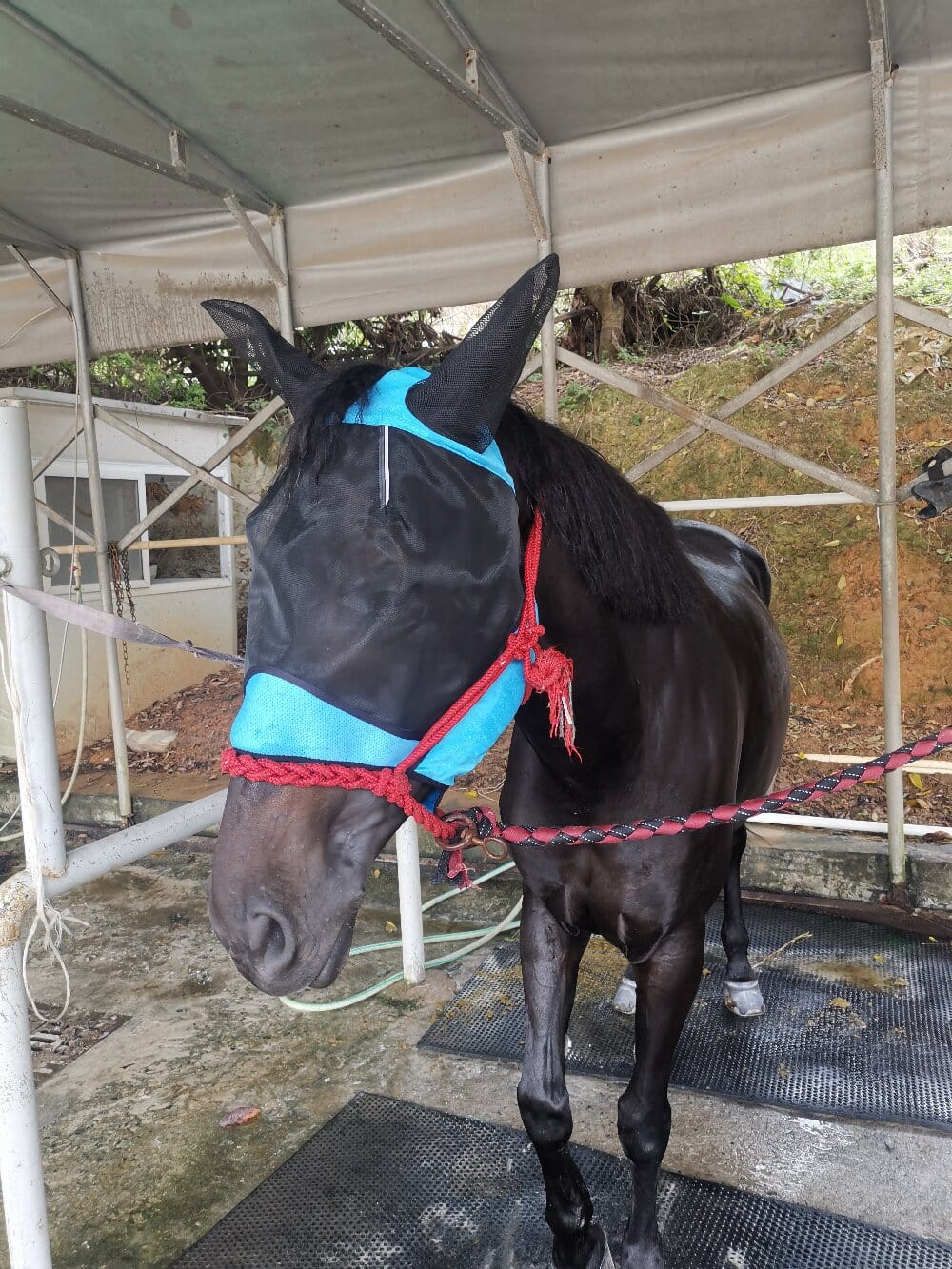
When I first brought my gelding home, I underestimated how much flies would affect his comfort and attitude. After watching him stomp, swish, and toss his head through every summer ride, I finally invested in a horse fly mask — and it changed our daily routine. Over the past few seasons, I’ve tested different styles, compared notes with barn mates, and learned what actually works in the pasture and under saddle. This is my experience sharing what I wish I’d known from the start.
What a Horse Fly Mask Actually Does
A fly mask for horses is a lightweight mesh cover that shields the eyes, ears, and sometimes the muzzle from biting insects. From my perspective as a rider, the biggest benefit is behavioral: a horse that isn’t constantly fighting flies is calmer, easier to handle, and less prone to head-shy habits. From my vet’s perspective, reducing fly exposure lowers the risk of eye irritation, conjunctivitis, and summer sores. And from my horse’s perspective — well, he stopped rubbing his face raw on the fence line, which told me everything.
Choosing the Right Horse Fly Mask: Lessons From the Barn Aisle
Not all masks are created equal, and I learned that the hard way. My first cheap mask lasted two weeks before the mesh tore. Here’s what I now check before buying:
- Fit around the ears: Too tight causes rubs; too loose lets flies sneak in. Fleece-lined ear holes made a real difference for my sensitive gelding.
- Eye clearance: The mesh should sit away from the eyelashes so blinking isn’t restricted. I look for masks with reinforced eye darts.
- Strap security: A breakaway or adjustable throat strap keeps the mask on without risking injury if it catches on a fence.
- UV protection: Many masks now block a percentage of UV rays, which is a bonus for horses with pink skin around the eyes.
- Season and use: Pasture masks are tougher; riding masks are lighter and fit under a bridle. I keep one of each.
Multi-Perspective Advice: What Different People Taught Me
My trainer swears by masks with nose coverage for horses turned out on sandy soil, since flies cluster around the muzzle. My farrier, meanwhile, reminded me that a mask won’t fix a fly problem alone — fly sheets, repellents, and manure management matter too. And a friend who shows competitively pointed out that ear coverage can muffle sound, so she removes the mask before entering the ring. Hearing these different viewpoints helped me build a routine rather than relying on one piece of gear.
Fit, Care, and Common Mistakes
I check the mask daily for rub marks, especially behind the ears and along the jaw. I rinse it weekly in mild soap and let it air dry, because dirty mesh traps sweat and irritates skin. One mistake I made early on was leaving the same mask on for months — the elastic stretched and the fit loosened. Rotating two masks extends their life and keeps protection consistent. I also introduce a new mask gradually, letting my horse wear it for short periods first.
Final Thoughts
A horse fly mask is one of the simplest, most cost-effective comfort tools I’ve added to my barn routine. The key is buying for fit and purpose, checking it regularly, and pairing it with broader fly control. If your horse spends summer stomping and head-shaking, start with a well-fitted mask — your horse’s calm demeanor will be the proof.