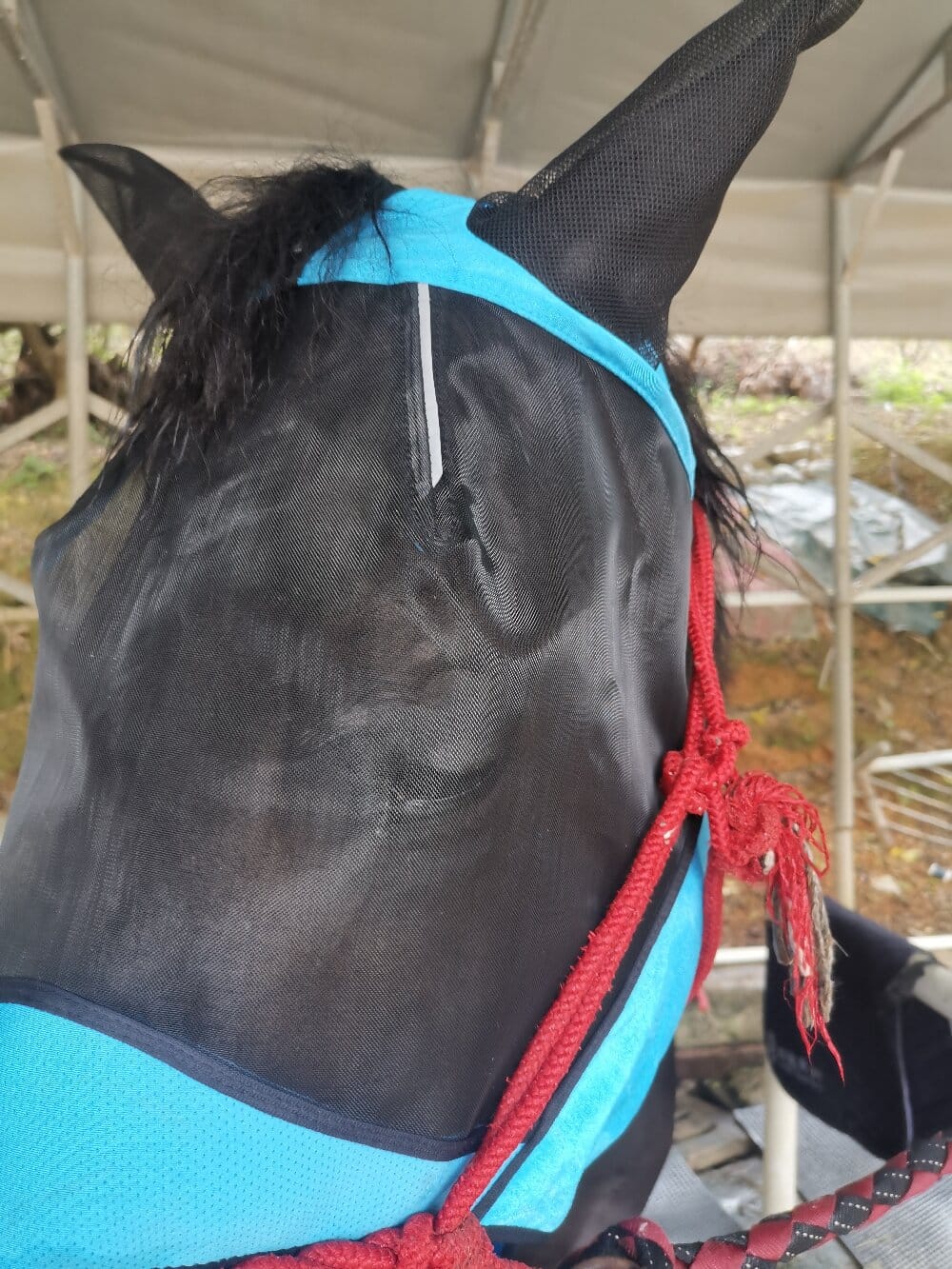
A horse fly mask is a piece of equine gear designed to cover the eyes, ears, and sometimes the upper face of a horse, primarily to shield the animal from flying insects such as flies, gnats, and mosquitoes. While the concept appears straightforward, a critical examination reveals that the effectiveness and necessity of these masks depend on several variables, including climate, horse temperament, and mesh design. Rather than accepting manufacturer claims at face value, horse owners benefit from evaluating the evidence behind the product’s stated benefits and limitations.
What a Horse Fly Mask Actually Does
At its core, the mask acts as a physical barrier. Fine mesh fabric prevents insects from landing on sensitive areas around the eyes and ears, reducing irritation, eye infections, and insect-borne disease transmission. Some designs also incorporate UV-blocking materials, which may help horses with photosensitivity or pink skin around the muzzle. However, critical thinking requires acknowledging that a mask is not a cure-all. It cannot eliminate flies from the environment, and poorly fitted masks can rub, trap debris, or impair vision. The question is not whether masks work in principle, but whether a specific mask works safely for a specific horse.
Evaluating Fit, Material, and Design Trade-offs
Fit is arguably the most consequential factor in mask selection. A mask that is too loose invites insects underneath and may snag on fencing or branches, while one that is too tight creates pressure points and restricted blood flow. Objective assessment suggests checking for adequate clearance over the eyes, soft binding at the edges, and adjustable straps that keep the mask secure without chafing. Material choice involves similar trade-offs: finer mesh offers better insect exclusion but reduced airflow, while coarser mesh improves ventilation at the cost of protection. Ear coverage adds defense against biting midges but can increase heat retention in summer. Buyers should weigh these variables against their horse’s workload, coat condition, and turnout environment rather than assuming more coverage is always better.
Limitations and Common Misconceptions
Marketing language often implies that a fly mask solves all fly-related problems. A more objective view identifies several caveats:
- Masks do not replace fly control measures such as manure management, fans, or repellents.
- Continuous wear without inspection can lead to hidden rubs or eye injuries.
- Some horses tolerate masks well; others remove them or become stressed, making compliance unpredictable.
- Durability varies widely, and cheap stitching or weak mesh may fail within weeks, affecting cost-effectiveness.
Owners should also consider that research on mask efficacy is limited compared with topical repellents, so claims about disease prevention deserve cautious interpretation.
Practical Guidelines for Choosing a Horse Fly Mask
A reasoned approach involves matching the product to the horse’s needs rather than the most featured option. Consider the following steps:
- Measure the horse’s head accurately and compare with sizing charts.
- Inspect stitching, binding, and strap hardware before purchase.
- Introduce the mask gradually and monitor for rubbing or stress behaviors.
- Remove and clean the mask regularly to prevent dirt buildup and skin irritation.
- Reassess during different seasons, as insect pressure and heat vary.
This methodical process supports informed decisions and reduces the risk of wasting money on ill-fitting equipment.
Conclusion
Fly masks can be a useful component of equine care, but their value depends on fit, material suitability, and realistic expectations. By applying critical thinking—questioning marketing claims, prioritizing proper sizing, and monitoring wear—horse owners can determine whether a mask genuinely improves their animal’s comfort or merely adds another piece of gear to manage.