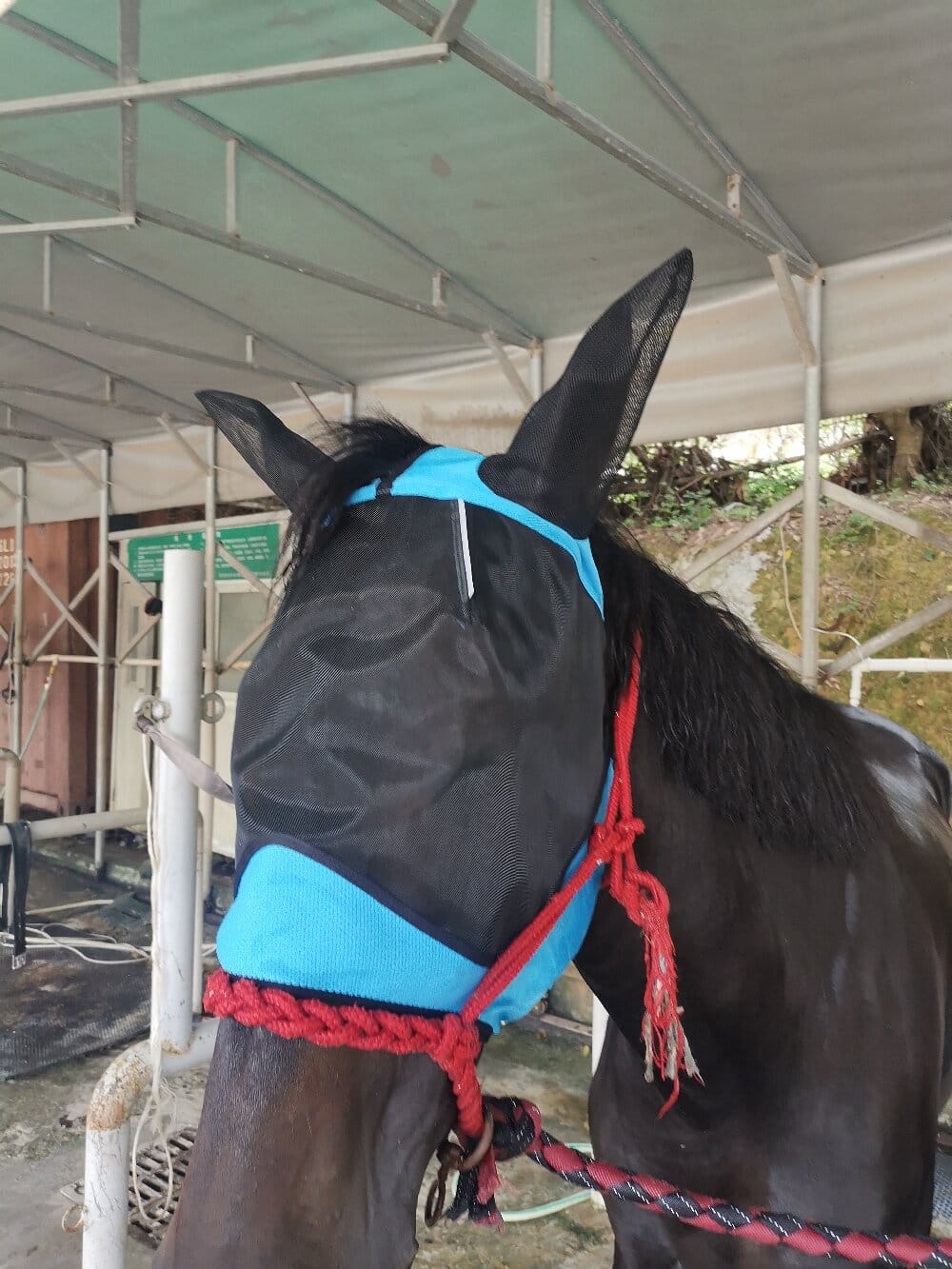
A reliable horse fly mask is one of the simplest, most cost-effective pieces of tack you can add to your barn routine. Whether you keep a single companion pony or manage a full boarding stable, these lightweight mesh covers protect sensitive eyes and ears from flies, midges, and biting insects that cause irritation, infection, and stress. This practical guide walks you through what to look for, how to fit a mask correctly, and when it makes sense to use one — from the perspective of veterinarians, seasoned barn managers, and everyday owners.
What a Horse Fly Mask Actually Does
At its core, a fly mask is a breathable mesh veil that sits over the horse’s face, shielding the eyes, nostrils, and often the ears from flying pests. The benefits go well beyond comfort:
- Reduces eye irritation and the risk of conjunctivitis and corneal ulcers caused by flies
- Helps prevent insect-borne conditions such as pink eye and summer sores
- Lessens head tossing, stamping, and stress-related behavior during turnout
- Provides UV protection for horses with sensitive skin or light-colored coats
- Can speed healing when a horse already has an eye injury or is recovering from surgery
Veterinarians often recommend a mask for horses with a history of uveitis or eye trauma, while trainers value them for keeping anxious horses calm in peak fly season. From a budgeting standpoint, a well-made mask costs far less than treating a single eye infection.
Feature Checklist: Choosing the Right Horse Fly Mask
Not all masks are created equal. Before you buy, compare these key features:
- Mesh density: Finer mesh blocks tiny midges and gnats; coarser mesh offers better airflow for hot climates.
- Fit and adjustability: Look for adjustable straps, fleece trim, and a shaped brow to keep mesh off the eyes.
- Ear coverage: Removable or built-in ear covers protect against biting insects but should never restrict hearing or movement.
- Durability: Reinforced seams and UV-resistant fabric hold up to pasture life and repeated washing.
- Visibility: Bright colors or reflective trim make masks easier to spot in tall grass.
How to Fit a Horse Fly Mask Correctly
Proper fit is everything. A mask that’s too tight rubs the face and restricts vision; one that’s too loose slips over the eyes or gets snagged. Follow this quick fitting routine:
- Check that at least two fingers fit under the noseband and brow strap.
- Confirm the mesh stands away from the eyes rather than pressing against them.
- Watch your horse walk and graze — the mask should stay in place without twisting.
- Inspect daily for rubbing, and remove the mask if you notice hair loss or sores.
Barn managers typically introduce masks gradually, starting with short turnout sessions, so horses adjust without fuss. Owners of clever escape artists may need a mask with a secure throat latch or a design that pairs with a halter.
Care, Safety, and When to Skip the Mask
Wash masks weekly in mild soap and warm water, rinse thoroughly, and air-dry to prevent bacteria buildup. Inspect straps and mesh for tears before each use, and replace damaged masks promptly. Safety comes first: remove the mask during riding, in extreme heat if your horse overheats easily, and when turning out with horses prone to grabbing at headgear. Foals and horses with facial injuries may need a veterinarian’s guidance before wearing one.
Final Thoughts
A horse fly mask is a small investment with outsized returns: healthier eyes, calmer turnout, and fewer vet bills. Match the mesh, fit, and features to your horse’s environment and temperament, check the fit often, and keep it clean. Do that, and this humble piece of protective gear will earn its place in your tack room every fly season.