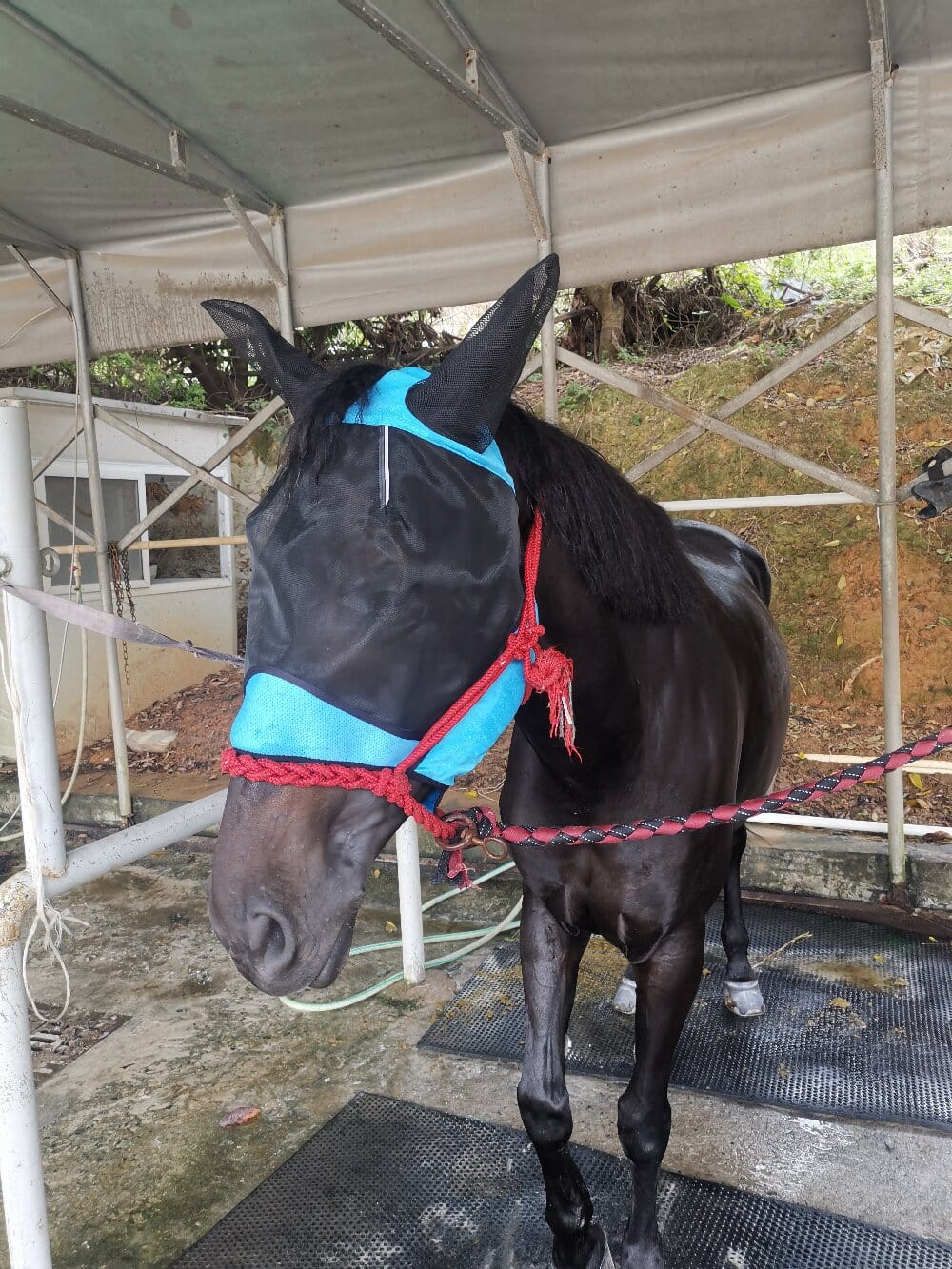
After years of watching horses struggle through another bug-heavy season, many barn owners and equestrians have come to rely on a horse fly mask as one of the simplest, most effective pieces of summer turnout gear. Experience shared across stables suggests that when the biting insects arrive, a well-fitted mask often makes the difference between a relaxed horse and one that spends the day stomping, head-shaking, and rubbing its face raw. The purpose here is to pass along practical, field-tested observations about choosing, fitting, and maintaining these protective covers so that both horse and handler get the most from them.
What a Horse Fly Mask Actually Does
At its core, a fly mask for horses is a lightweight mesh covering that shields the eyes, ears, and sometimes the muzzle from flies, gnats, and other pests. Long-time users point out that the benefit goes beyond simple pest exclusion. By reducing irritation around the eyes, a quality mask helps limit the spread of conjunctivitis and the corneal scratches that come from constant rubbing against fences and water troughs. It also cuts down on the head tossing that makes handling and riding unpleasant during peak bug season. Many designs now include UV-blocking fabric, which caregivers note can be a welcome bonus for horses with sensitive skin or pale faces.
Lessons Learned About Fit and Sizing
Experienced handlers consistently emphasize that fit matters more than brand or price. A mask that slips, twists, or presses against the eyelashes creates new problems instead of solving old ones. From stable to stable, a few practical tips recur:
- Measure from the poll to the end of the nose and around the widest part of the jaw before ordering.
- Check that there is enough clearance over the eyes so mesh never touches the lashes.
- Look for adjustable straps, often with hook-and-loop closures, to fine-tune the fit.
- Confirm that ear openings sit comfortably and do not chafe during movement.
Owners of horses with broader heads or thick forelocks often find that draft-specific or cob-specific cuts work better than a one-size design. Trying a mask on in person, when possible, saves the hassle of returns and the risk of a poorly fitting cover rubbing during turnout.
Materials, Durability, and Turnout Realities
Field experience shows that durability separates a good fly mask from a frustrating one. Mesh that is too fine tears easily; mesh that is too coarse lets tiny gnats through. A middle-weight, breathable fabric with reinforced binding at the edges tends to hold up best through mud, rain, and playful pasture mates. Reflective trim is a small but useful feature for horses turned out near roads or in low light. Handlers also report that masks with double fastenings under the throat stay put far better than single-strap versions, especially on horses that like to rub their heads on gates.
Care Routines That Extend Mask Life
Keeping a horse fly mask clean is part of keeping it effective. Dirt and sweat clog the mesh, reducing airflow and visibility. A simple routine works well: rinse or hand-wash the mask weekly with mild soap, air-dry it away from direct heat, and inspect the seams and straps for wear. Rotating two masks through the season gives each one time to dry and extends the life of both. Storing masks in a clean, dry tack room also discourages mold and keeps them ready for the next hot, buggy day.
Final Thoughts
Across barns and disciplines, the consensus is clear: a properly fitted horse fly mask is a low-cost, high-value tool for summer comfort. Attention to sizing, sensible materials, and a basic cleaning routine pays off in fewer irritated horses and fewer vet visits. For anyone managing turnout during fly season, investing a little time in choosing the right mask is an easy decision that horses seem to appreciate.