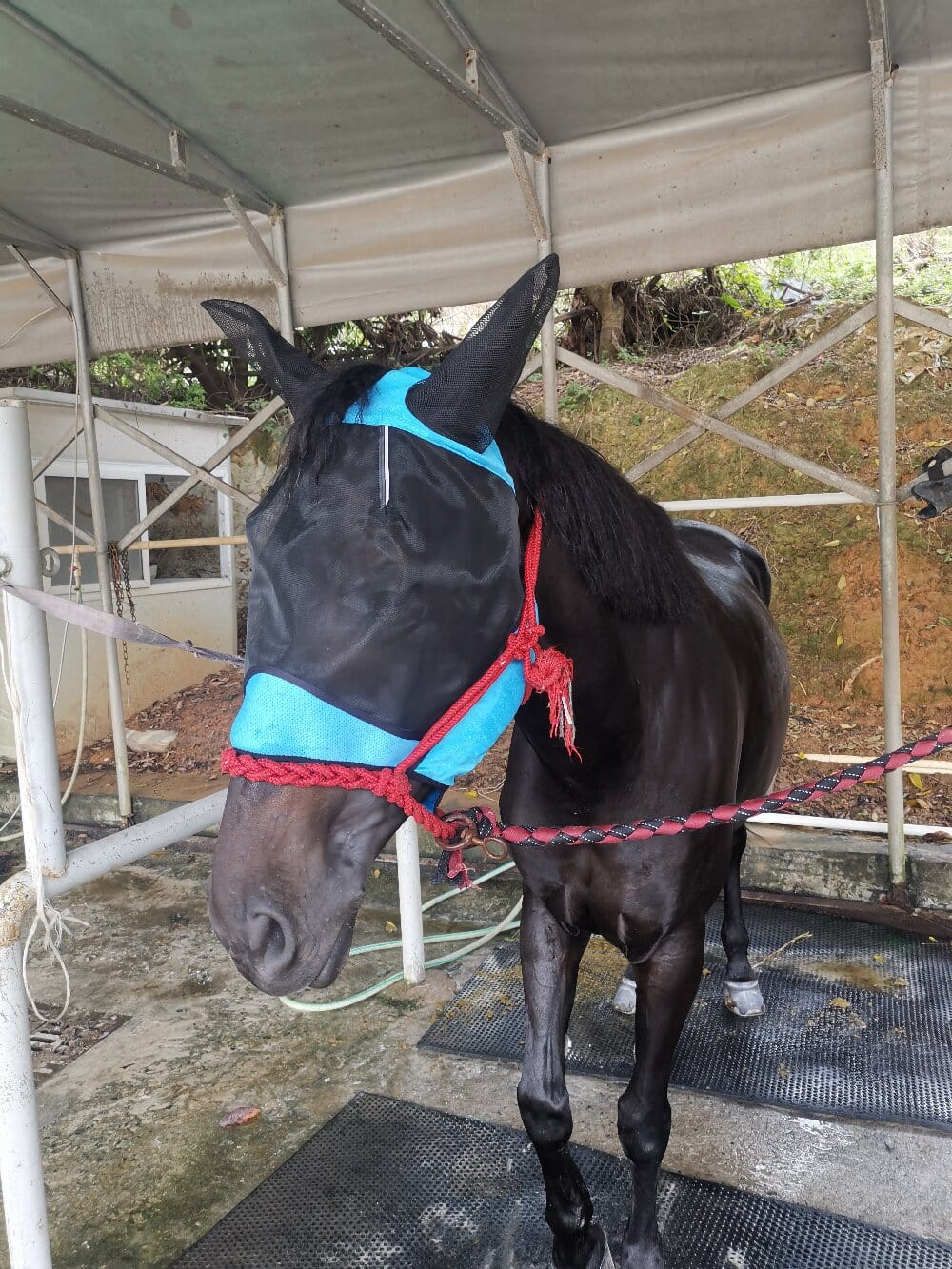
If you’ve ever watched your horse stamp, swish, and shake its head through the summer months, you already know how relentless flies can be. A quality horse fly mask is one of the simplest, most effective pieces of protective gear you can add to your tack room. It shields sensitive eyes and ears from biting insects, reduces irritation and stress, and can even lower the risk of fly-borne infections. This practical guide walks you through everything you need to know to pick the right mask and get the most out of it.
What a Horse Fly Mask Actually Does
Think of a fly mask as sunscreen, sunglasses, and a bug net rolled into one. A well-designed mask keeps flies, gnats, and midges away from the eyes and face, which is especially important for horses prone to conjunctivitis or seasonal eye issues. Many models also extend over the ears to block insects from crawling inside, and mesh versions offer protection from harsh sunlight and dust. The result is a calmer, more comfortable horse that spends less time fighting pests and more time grazing or working.
Key Features to Look for in a Horse Fly Mask
Not all masks are created equal. Before you buy, check these features:
- Fit and adjustability: Look for adjustable straps, fleece edging, and a shape that follows your horse’s head without rubbing.
- Mesh quality: Fine mesh blocks tiny insects; denser weaves offer more UV protection but less airflow.
- Ear coverage: Removable or built-in ear covers help with horses that hate bugs in their ears.
- Eye clearance: The mask should sit away from the eyes so lashes don’t touch the fabric.
- Durability: Reinforced seams and tough binding matter if your horse is hard on turnout gear.
How to Size and Fit a Horse Fly Mask Correctly
Measure from the top of your horse’s head to just below the cheekbone, then compare with the manufacturer’s size chart. When you try it on, check that the mask clears the eyes, sits smoothly over the nose, and doesn’t twist or slide. You should be able to fit two fingers under the straps. A mask that’s too tight causes rubs; one that’s too loose will slip off or flap in the wind. If your horse has a longer or wider face, look for brands that offer cob, full, and extra-full sizing.
Choosing the Right Horse Fly Mask for Your Situation
Match the mask to your horse’s lifestyle. For full-time turnout, choose a breathable mesh mask with UV protection and secure fastenings. For stabled horses, a lighter, simpler mask may be enough. If your horse has a history of eye problems, ask your vet about masks with darker mesh or extended brow coverage. Long-nosed horses may need masks with nose extensions to protect the muzzle from flies and sunburn.
Caring for Your Fly Mask So It Lasts
Rinse the mask regularly with mild soap and warm water, then air-dry it out of direct sunlight. Check straps, seams, and mesh for wear every week, and replace the mask at the first sign of fraying or stretched elastic. Keeping a spare on hand means you’re never caught out when one needs washing or repairs.
Final Thoughts
A horse fly mask is a small investment that pays off in comfort, health, and peace of mind. Focus on fit, mesh quality, and durability, size it correctly, and maintain it well—and your horse will get through fly season with far less irritation.