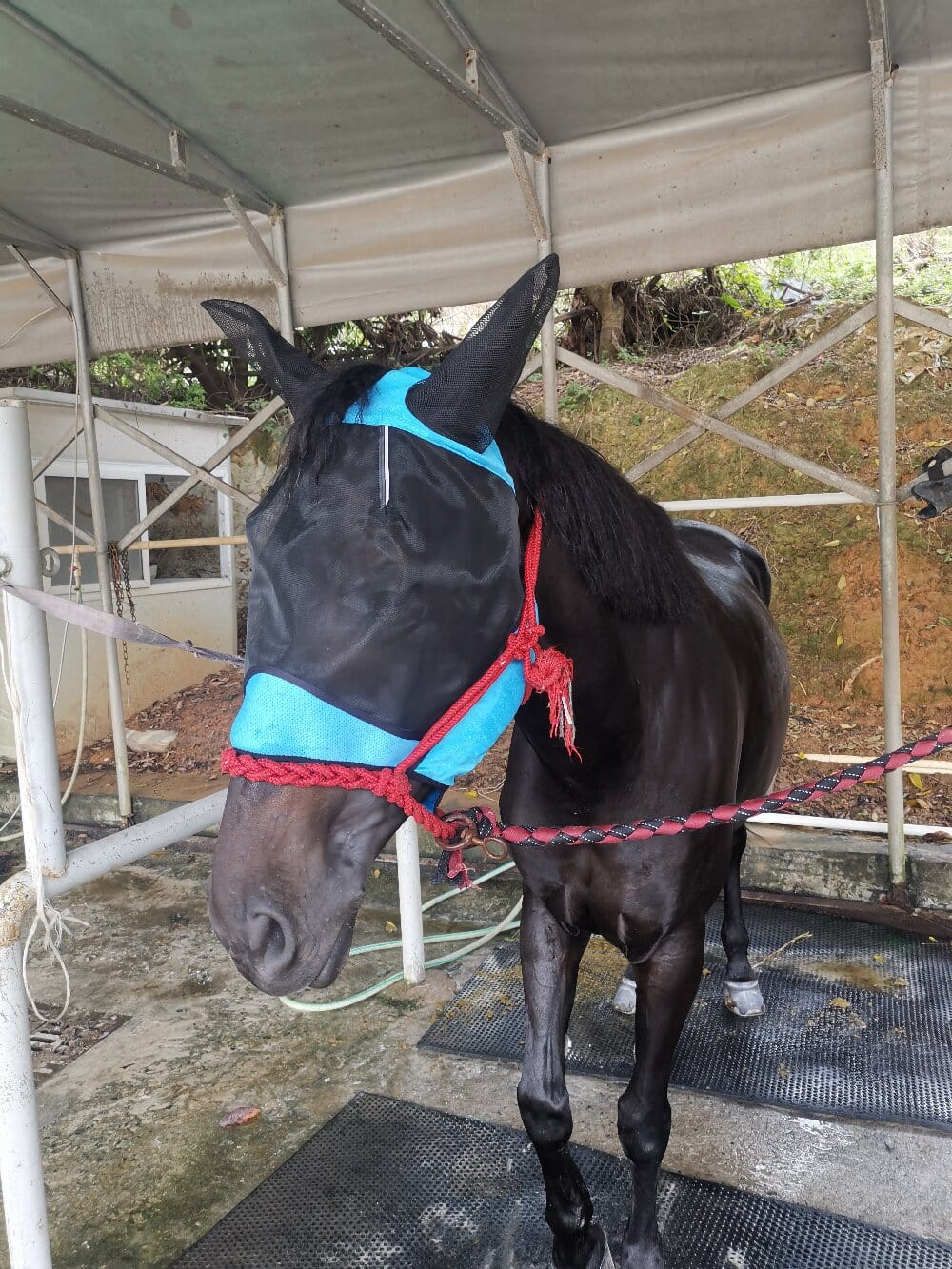
If you’ve ever watched your horse stomp, swish, and shake its head through the summer months, you already understand why a horse fly mask deserves a permanent spot in your tack room. In my experience, this simple piece of mesh gear is one of the most cost-effective ways to protect your horse from flies, gnats, and the irritation they cause. But not all fly masks are created equal, and choosing the wrong one can do more harm than good. Here’s a practical guide based on what I’ve learned from years of trial and error.
What a Horse Fly Mask Actually Does
A quality fly mask for horses acts as a physical barrier, keeping biting insects away from the eyes, ears, and face. Unlike fly sprays, which need constant reapplication, a well-fitted mask stays in place for hours. I’ve found that masks are especially valuable for horses prone to eye irritation, insect bite hypersensitivity, or summer sores. They also help reduce stress during turnout, which matters more than many owners realize.
Beyond fly protection, these masks can shield against dust and debris, and some designs offer UV protection for horses with pink skin around the eyes. If your horse has a history of conjunctivitis or uveitis, a mask is often a vet-recommended preventive tool.
Key Features to Look for in a Horse Fly Mask
Before you buy, consider these practical points. I always check the following:
- Fit and adjustment: Look for adjustable straps and a mask that sits away from the eyes. A snug fit prevents rubbing, while a loose fit lets insects sneak in.
- Mesh quality: Fine mesh blocks tiny gnats, but it must still allow airflow. Cheap mesh tears easily and can trap heat.
- Ear coverage: If flies target your horse’s ears, choose a mask with ear covers or a separate ear bonnet.
- Durability: Reinforced seams and sturdy binding matter. Horses are experts at destroying flimsy gear.
- Visibility: Light-colored or reflective masks make your horse easier to spot in the field.
How to Fit a Horse Fly Mask Correctly
Proper fit is everything. I start by measuring from the top of the poll to the end of the nose, then check the manufacturer’s size chart. A mask should cover the eyes without pressing on the eyelashes, and the ear openings should align comfortably. Once on, I watch my horse move around for a few minutes—if it shifts or twists, it’s either the wrong size or poorly designed.
Daily checks are non-negotiable. Remove the mask at least once a day to inspect for rubs, dirt buildup, and eye irritation. Wash it weekly with mild soap and water, and replace it at the first sign of wear. A damaged mask can cause more problems than it solves.
Common Mistakes to Avoid with Fly Masks for Horses
I’ve made plenty of mistakes, so you don’t have to. Avoid leaving a wet mask on your horse, as damp mesh can cause skin issues. Don’t assume one size fits all—horses come in wildly different head shapes. And never use a mask as a substitute for good barn hygiene; fly control requires manure management, ventilation, and strategic turnout. Finally, if your horse wears a mask in the pasture, check it daily for snags on fencing or branches.
Final Thoughts on Choosing the Right Fly Mask
A horse fly mask is a small investment with a big payoff for comfort and health. Focus on fit, mesh quality, and durability, and check it daily. If you get those basics right, your horse will be calmer, more comfortable, and less exposed to insect-borne irritation all season long.