
Anyone who has spent a summer at the barn knows the struggle: the moment temperatures rise, biting insects appear, and a normally calm horse starts stomping, head-tossing, and rubbing its face raw against fence posts. Over years of sharing experiences with fellow boarders, trainers, and veterinarians, one practical solution keeps coming up in conversation — the horse fly mask. Unlike sprays that wear off within hours or ointments that require daily reapplication, a well-fitted fly mask offers continuous, low-maintenance protection that horses seem to genuinely appreciate once they get used to wearing one.
What a Horse Fly Mask Actually Does
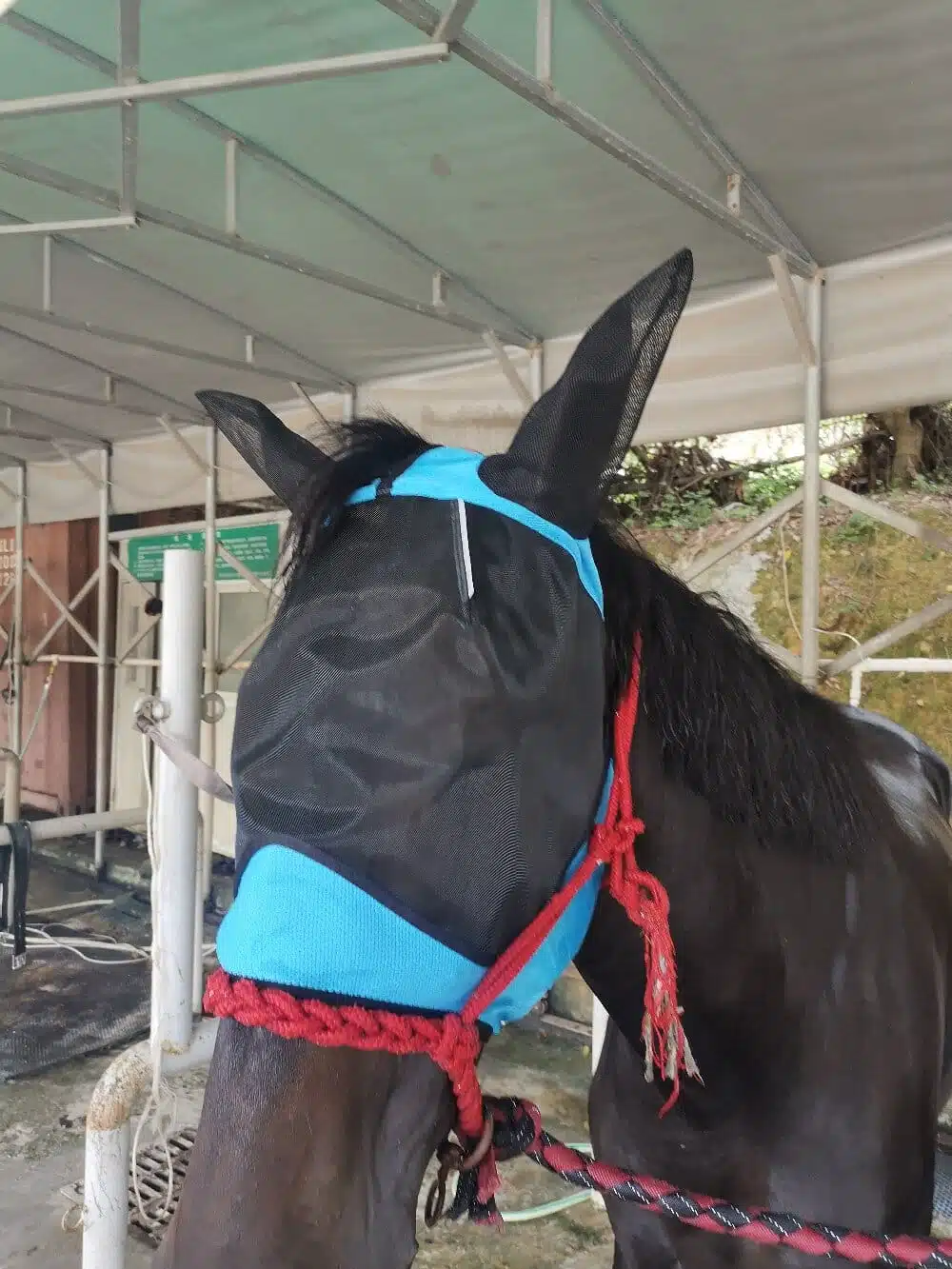
At its core, a fly mask is a lightweight mesh covering designed to shield the eyes, forehead, and sometimes the ears and muzzle from flying pests. Horse owners who have used them consistently report fewer instances of eye irritation, reduced head shaking, and less rubbing during peak insect season. The mesh is fine enough to block flies and gnats but sheer enough that vision remains largely unobstructed.
Beyond simple fly deterrence, many masks also filter out dust and debris, which can be helpful for horses prone to watery eyes or mild conjunctivitis. Some designs include UV protection, a feature that matters for horses with pink skin around the eyes or those dealing with photosensitivity.
Choosing the Right Fit for Individual Horses
Experienced handlers emphasize that fit is everything. A mask that is too loose slides down over the eyes and becomes a hazard, while one that is too tight causes rubs along the cheekbones and poll. When selecting a mask, consider the following factors:
- Size and adjustability: Look for velcro straps or elastic sections that allow fine-tuning around the jaw and throat.
- Coverage style: Standard eye-only masks, ear-and-eye combos, and full-face versions with nose coverage serve different needs.
- Material quality: Durable, breathable mesh holds up better to pasture wear and daily sun exposure.
- Field safety: Pasture-kept horses benefit from breakaway closures that release if the mask snags on fencing.
Many owners keep two masks per horse — one for turnout and a spare while the first is being washed or repaired.
Real-World Experiences From the Barn
Boarders frequently share that the first few days with a new mask can be comical. Some horses paw at it, try to remove it on water troughs, or stand frozen as if the world has ended. Within a week, however, most settle in and even seem irritated when the mask is removed for cleaning. Trainers note that horses in consistent work during bug season show better focus under saddle when their eyes are protected, simply because they are not constantly distracted by flies.
Cleaning routines matter too. A quick rinse with mild soap and warm water every few days keeps the mesh clear and prevents dirt buildup that can cause skin irritation. Rotating between two masks extends the life of each and ensures the horse is never left unprotected.
Practical Tips for First-Time Buyers
- Measure your horse’s head before ordering, and check the manufacturer’s sizing chart carefully.
- Introduce the mask gradually, perhaps during feeding time, to build positive association.
- Inspect daily for tears, missing straps, or signs of rubbing behind the ears.
- Keep a spare on hand, especially during peak fly season when replacements may be hard to find.
Final Thoughts
For horse owners dealing with another long, bug-filled summer, a quality horse fly mask remains one of the simplest and most effective tools available. It reduces stress, protects sensitive eyes, and requires far less effort than constant spraying. With proper sizing and a bit of patience during the adjustment period, most horses adapt quickly and reap the benefits all season long.