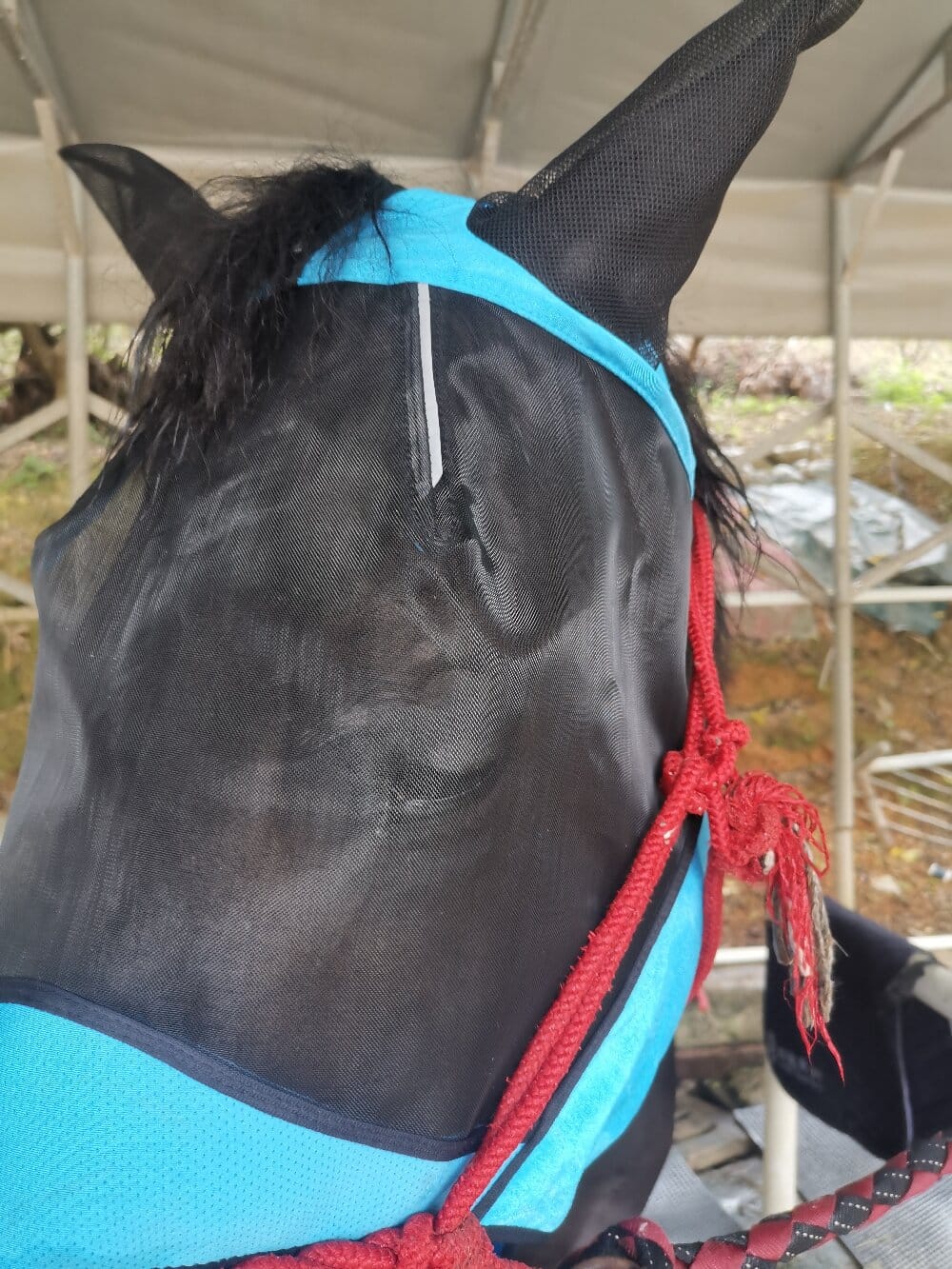
I’ll be honest: for years I dismissed the horse fly mask as just another piece of tack designed to part me from my money. But after watching my mare spend an entire summer head-shaking, stomping, and rubbing her face raw, I decided to think critically about whether this mesh headgear actually solves a problem or simply disguises one. What follows is my subjective, sometimes skeptical take on the horse fly mask — what it does, what it doesn’t, and why you should question the marketing before you buy.
What a Horse Fly Mask Actually Does (and Doesn’t Do)
At its core, an equine fly mask is a fine-mesh cover that shields the eyes, ears, and sometimes the muzzle from biting insects. The logic seems sound: block the bugs, prevent the irritation. But critical thinking demands we separate mechanism from outcome. A fly mask physically blocks flies — that part is undeniable. Whether it reduces eye infections, summer sores, or head-shaking behavior is where the evidence gets thinner and the anecdotes get louder.
In my experience, the mask helps most with face flies and the annoyance factor. It does little against determined stable flies that target legs and belly, and nothing at all for insects small enough to slip through the mesh. So if you’re buying one expecting a total insect solution, recalibrate your expectations.
Critical Questions Before You Buy a Fly Mask for Horses
I’ve learned to interrogate every product claim, and fly masks deserve the same scrutiny. Here’s the checklist I now run through:
- Fit and rub risk: A poorly fitted mask creates pressure points and can cause more skin damage than the flies would. Does it stay put without straps digging in?
- Mesh quality: Cheap mesh tears within weeks and can scratch the cornea. Is the weave fine enough to block tiny gnats but durable enough to survive turnout?
- Visibility: Can your horse actually see through it? Some masks distort vision enough to cause spooking — a trade-off rarely mentioned on the packaging.
- UV protection claims: Many masks tout UV blocking, but unless the fabric is tested and rated, that’s marketing, not fact.
- Supervision needs: A mask that slips over one eye is a hazard. Are you checking it daily, or leaving it on for weeks?
Notice that none of these questions appear prominently on product pages. That’s precisely why a skeptical mindset pays off.
The Subjective Verdict: Useful Tool, Not a Miracle
Here’s my honest conclusion after seasons of trial and error. The horse fly mask is a genuinely useful piece of equipment — arguably one of the most practical fly-control purchases you can make — but it works best as part of a layered strategy rather than a standalone fix. Pair it with fly spray, good manure management, and strategic stabling during peak insect hours, and you’ll see real results. Rely on the mask alone and you’ll likely be disappointed.
I also think owners should rotate masks, inspect them daily, and remove them during ridden work unless the design is specifically riding-safe. And please, don’t leave a mask on a horse that’s turned out with herd mates prone to grabbing straps — I learned that lesson the hard way.
Final Thoughts
Questioning the horse fly mask doesn’t mean rejecting it; it means using it intelligently. The mask reduces fly pressure on the face, protects against some irritation, and offers peace of mind during bug season — but it isn’t armor, and it isn’t a substitute for good barn hygiene. Buy one that fits well, inspect it often, and treat every claim on the label with healthy skepticism. Your horse’s comfort depends less on the product than on how thoughtfully you use it.