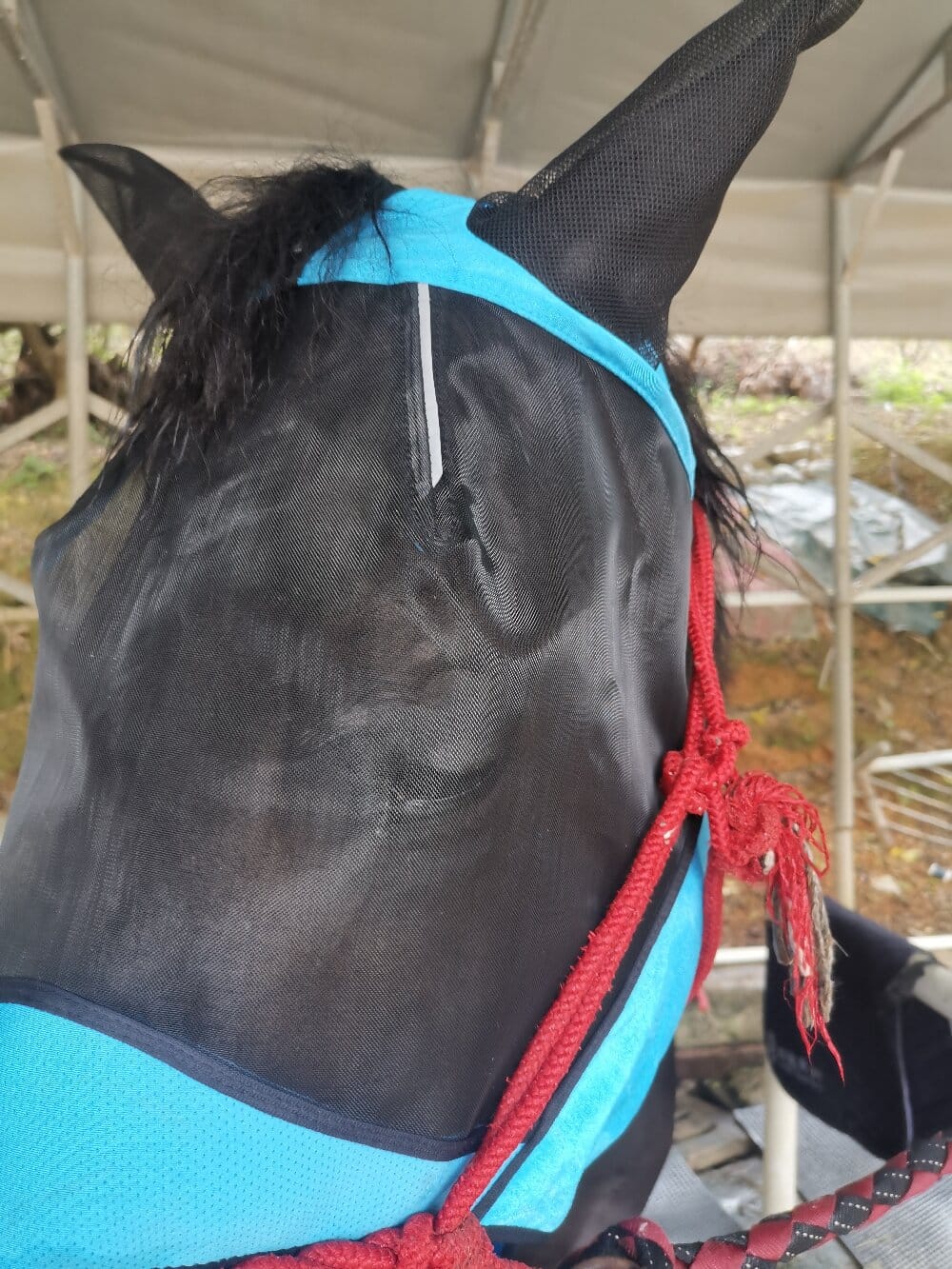
As an equine health specialist, I can tell you from years of field experience that a horse fly mask is one of the most overlooked pieces of protective equipment in your tack room. If you own or care for a horse, you already know how relentless flies, gnats, and other flying insects can be during the warmer months. These pests don’t just cause irritation—they can trigger eye infections, spread disease, and lead to painful corneal ulcers. In this guide, I’ll walk you through everything you need to know about choosing and using fly masks effectively, drawing on established veterinary and equestrian expertise.
What a Horse Fly Mask Actually Does for Your Horse
You might think of a fly mask as a simple mesh hood, but its function goes far beyond basic pest control. A quality mask acts as a physical barrier that keeps flies, midges, and dust away from the sensitive tissues around your horse’s eyes and ears. Experts consistently point out that certain flying insects, particularly biting midges, are responsible for spreading equine infectious anemia and other serious conditions. By blocking access to the face, you reduce both the annoyance factor and the genuine health risks.
Beyond disease prevention, these masks help prevent self-trauma. When flies land near the eyes, horses often rub their faces against fences, stall walls, or their own legs. This rubbing can cause abrasions and, in severe cases, corneal damage. A well-fitted mask interrupts that cycle entirely, giving your horse relief and protecting its vision.
Key Features to Look for in Fly Protection Gear
Not all masks are created equal, and experienced handlers know the difference matters. When you’re shopping, keep these criteria in mind:
- Mesh density: Fine mesh blocks tiny gnats, while slightly coarser weaves offer better airflow and visibility. For horses prone to midge-related issues, choose the finest mesh available.
- UV protection: Many masks now include UV-blocking fabric, which helps prevent sunburn on light-skinned faces and reduces glare-related squinting.
- Fit and adjustability: Look for adjustable straps, fleece padding at pressure points, and ear coverage if your horse is bothered by ear flies.
- Durability: Reinforced stitching and sturdy binding prevent tearing, especially if your horse is turned out with pasture mates who like to nibble.
- Visibility: Some designs use lighter colors or reflective trim so you can spot the mask easily in the field.
How to Fit and Maintain Your Horse Fly Mask
Proper fit is everything. A mask that’s too loose will slide over the eyes or come off in the pasture; one that’s too tight can rub and cause sores. As a general rule, you should be able to fit two fingers comfortably under the straps. Position the mask so the mesh sits slightly away from the eye surface, and check that ear openings align correctly if your model includes them.
Maintenance is equally important. Inspect the mask daily for tears, dirt buildup, and strap wear. Wash it regularly with mild soap and warm water, then air-dry it completely before putting it back on. Damaged mesh defeats the purpose entirely, so replace worn masks promptly rather than waiting for them to fail completely.
Practical Tips for Maximum Fly Season Protection
To get the most from your investment, pair the mask with a comprehensive fly control strategy. Use fly sprays or ointments around the body, keep stalls clean and dry, and consider fly predators or traps around the barn. Rotate between two masks so one can be cleaned while the other is in use. During extreme heat, check frequently that your horse isn’t overheating under the mesh, and remove the mask at night if insects are less active in your area.
Final Thoughts
Protecting your horse’s eyes is a small daily habit with outsized benefits. A properly fitted, well-maintained fly mask shields against insects, reduces disease risk, and prevents painful self-inflicted injuries. Choose one built for durability and comfort, check the fit regularly, and integrate it into your broader fly management routine. Your horse will thank you with clearer eyes and a calmer disposition all season long.