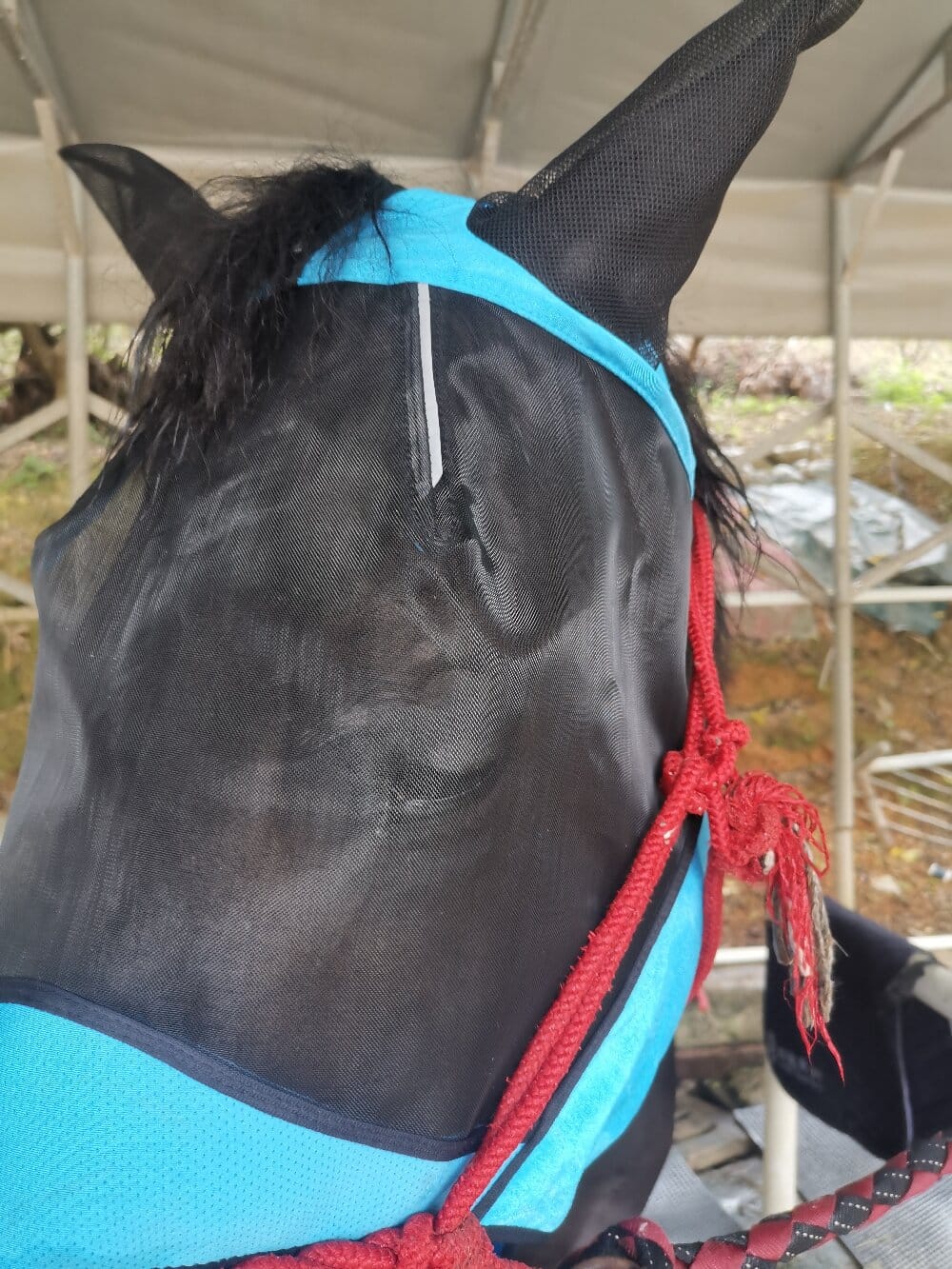
A horse fly mask is a familiar piece of equine equipment, yet its role in equine management deserves closer scrutiny than it often receives. Designed primarily to shield the eyes and face from flying insects, these mesh covers have become a staple in barns and pastures worldwide. However, a critical examination reveals that the effectiveness of a fly mask depends on far more than simply strapping mesh to a horse’s head. Owners and caretakers benefit from questioning assumptions about protection, fit, durability, and the balance between comfort and function.
What a Horse Fly Mask Actually Protects Against
Manufacturers market these masks as defenses against flies, gnats, and other biting insects. On the surface, the logic seems sound: physical barriers prevent insects from reaching sensitive areas around the eyes and ears. Yet critical thinking requires asking which insects are actually deterred. Fine mesh may block stable flies and face flies, but it can also trap heat and moisture in humid conditions. Some designs include ear covers, nose fringes, or UV-blocking fabric, each adding a layer of claimed benefit. Consumers should evaluate whether those features address their specific environment or merely inflate the price. A mask that works well in a dry, breezy climate may become a nuisance in a hot, stagnant one.
Fit and Comfort: Questioning the One-Size-Fits-All Approach
Equine head shapes vary considerably across breeds and individual animals. A mask that fits a slender Thoroughbred may rub the cheekbones of a stockier draft cross. Poorly fitted fly masks can cause abrasions, restrict peripheral vision, or slip over the eyes, creating safety hazards. Critical evaluation suggests that buyers should measure carefully and consider adjustable straps, fleece padding, and darts that accommodate forehead curvature. Comfort matters not only for welfare but for compliance: a horse that repeatedly removes or damages its mask is signaling that something about the design or fit is inadequate. Rather than blaming the animal, owners should investigate the cause.
Evaluating Durability Claims and Real-World Performance
Product descriptions often promise tear-resistant mesh and long-lasting construction. A skeptical perspective asks: under what conditions were these claims tested? Pasture turnout involves abrasion from fencing, trees, and rolling, while stabled horses may snag masks on stall hardware. Consumers can benefit from reading reviews that describe months of actual use rather than initial impressions. It is also worth noting that even durable masks require regular inspection for holes, stretched elastic, and weakened seams. A damaged mask may offer false security while allowing insects through gaps. Maintenance, therefore, is as important as the initial purchase decision.
Balancing Insect Protection With Vision and Airflow
There is an inherent trade-off between blocking tiny insects and maintaining clear vision and ventilation. Denser mesh improves insect exclusion but may reduce visibility and increase heat retention. Some manufacturers address this with translucent mesh or strategic mesh density variations. Critical thinkers should weigh these factors against the horse’s primary activities. A performance horse in work may need maximum visibility, while a retired pasture companion may tolerate denser fabric. No single design optimizes every variable, so matching the product to the use case is essential.
Practical Considerations Before Purchasing
- Assess the local insect population and peak seasons to determine necessary mesh density.
- Measure the horse’s head precisely and prioritize adjustable, padded designs.
- Check for UV protection if the horse has photosensitivity or pink skin.
- Review return policies and warranty terms before committing to a costly model.
- Schedule routine inspections to catch wear before protection fails.
Conclusion
A horse fly mask can be a valuable tool in equine care, but its value is conditional rather than absolute. Critical evaluation of fit, materials, environmental context, and maintenance separates informed buyers from those swayed by marketing language. By questioning claims and matching products to real needs, horse owners can make decisions that support both comfort and health.