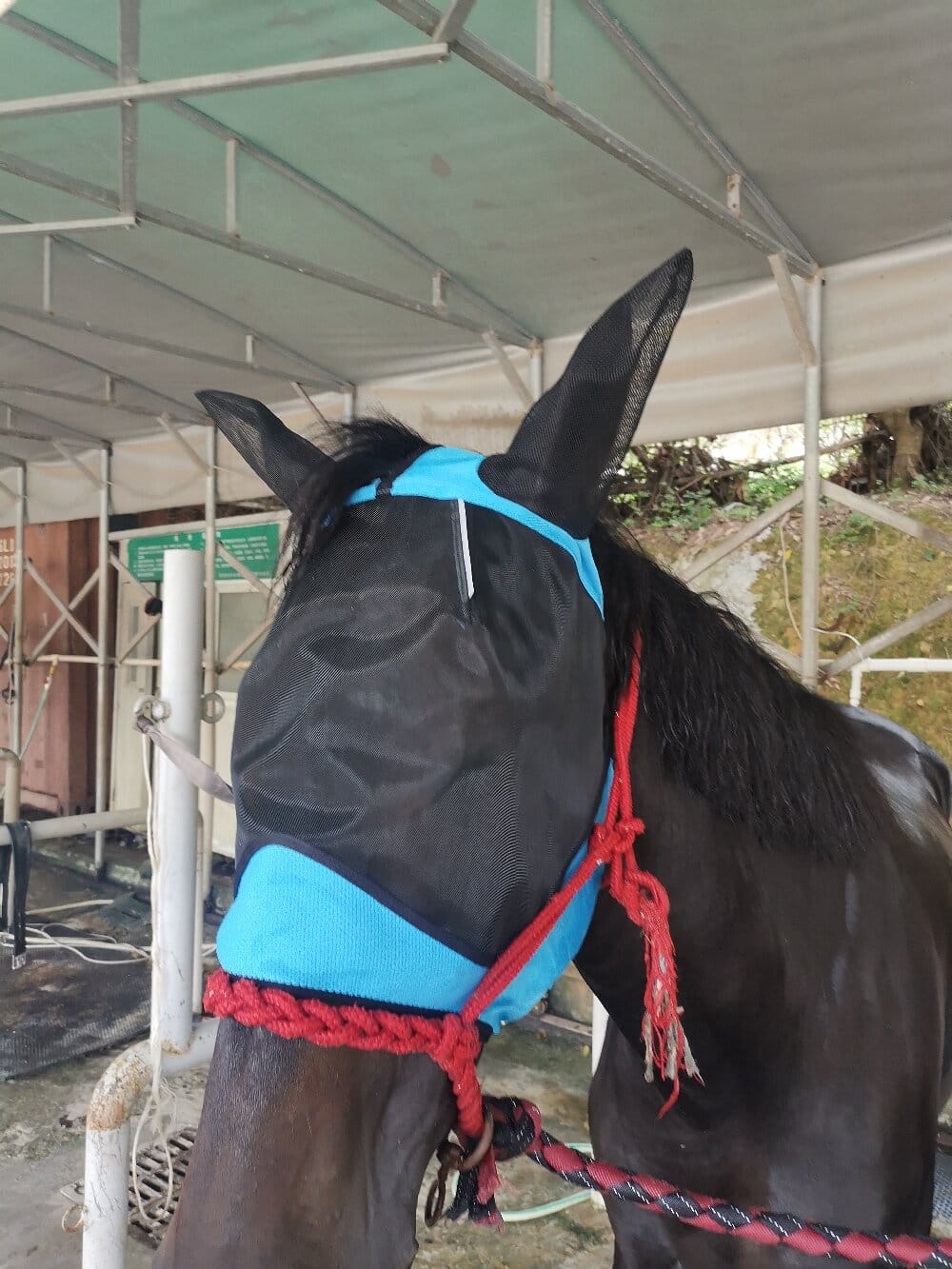

If you have shopped for tack recently, you have likely noticed that the horse fly mask has evolved from a simple mesh hood into a precision-engineered piece of equine equipment. Industry buyers and barn managers now evaluate these products the way they assess saddles or boots: by fit, materials, durability, and measurable welfare outcomes. In this insight-driven guide, you will learn what separates a premium fly mask from a bargain-bin afterthought, and how to select protection that keeps your horse comfortable through the harshest insect season.
What a Modern Horse Fly Mask Actually Does
Veterinarians and behaviorists agree that insect pressure is not merely a nuisance—it is a genuine stressor that can affect grazing time, sleep quality, and even hoof health as horses stomp to dislodge flies. A well-designed mask addresses this on several fronts:
- Physical barrier: Fine mesh keeps face flies, stable flies, and gnats away from the eyes, muzzle, and ears.
- UV reduction: Tinted or reflective fabrics shield sensitive skin and reduce glare, which is especially valuable for horses with pink skin or photosensitivity.
- Wound protection: Masks help guard healing abrasions and post-surgical sites from contamination and rubbing.
- Behavioral calm: Reduced head-shaking and stamping translates into better weight maintenance and fewer stress-related ulcers.
Materials and Construction: Where Quality Diverges
From a manufacturing standpoint, the market splits into two tiers. Entry-level masks rely on stiff, low-denier mesh with elastic bindings that lose tension after a few washings. Premium fly masks for horses use high-tenacity monofilament mesh, often rated for UV blockage above 70 percent, paired with soft-bound edges and reinforced stitching at stress points. Watch for these specification details when sourcing:
- Mesh density: Denser weaves block smaller biting midges but impede airflow; look for ventilated panels over the ears and cheeks.
- Fleece trim: Soft binding at the brow and nose prevents rub marks during turnout.
- Fastening systems: Hook-and-loop closures dominate, but double-locking straps and throatlatch clips reduce loss in the field.
- Ear and nose coverage: Detachable ear covers and extended nose pieces serve horses prone to sweet itch or seasonal head sensitivity.
Fit, Sizing, and Turnout Realities
Industry data consistently shows that fit failures—not fabric failures—drive most returns. A mask that rides up, twists, or gaps at the cheek invites debris and defeats its purpose. When you fit a horse, measure from the poll to the muzzle and check clearance around the eyes; you should be able to slide two fingers under the brow band. For herd turnout, choose models with breakaway or elasticized attachments so a snagged mask releases rather than panics the horse. Rotating two masks per horse extends wash life and ensures one is always dry.
Care, Longevity, and Total Cost of Ownership
Treat fly masks as washable technical gear. Hand-wash in cool water with mild detergent, skip the dryer, and inspect seams monthly. Expect a quality mask to survive one to two seasons of daily turnout; cheaper units often fail within weeks. Calculating cost per wear rather than sticker price will consistently favor better-constructed products—a lesson worth passing to your retail customers or barn staff.
Final Takeaways for Smart Buyers
Protecting your horse from flying insects is a welfare investment, not an accessory purchase. Prioritize fine mesh with UV protection, soft anti-rub binding, secure yet breakaway fastenings, and correct sizing. Inspect and rotate masks regularly, and replace any product with frayed mesh or stretched elastic. Choose thoughtfully, and your horse will graze, rest, and perform with a calmer, healthier head—season after season.