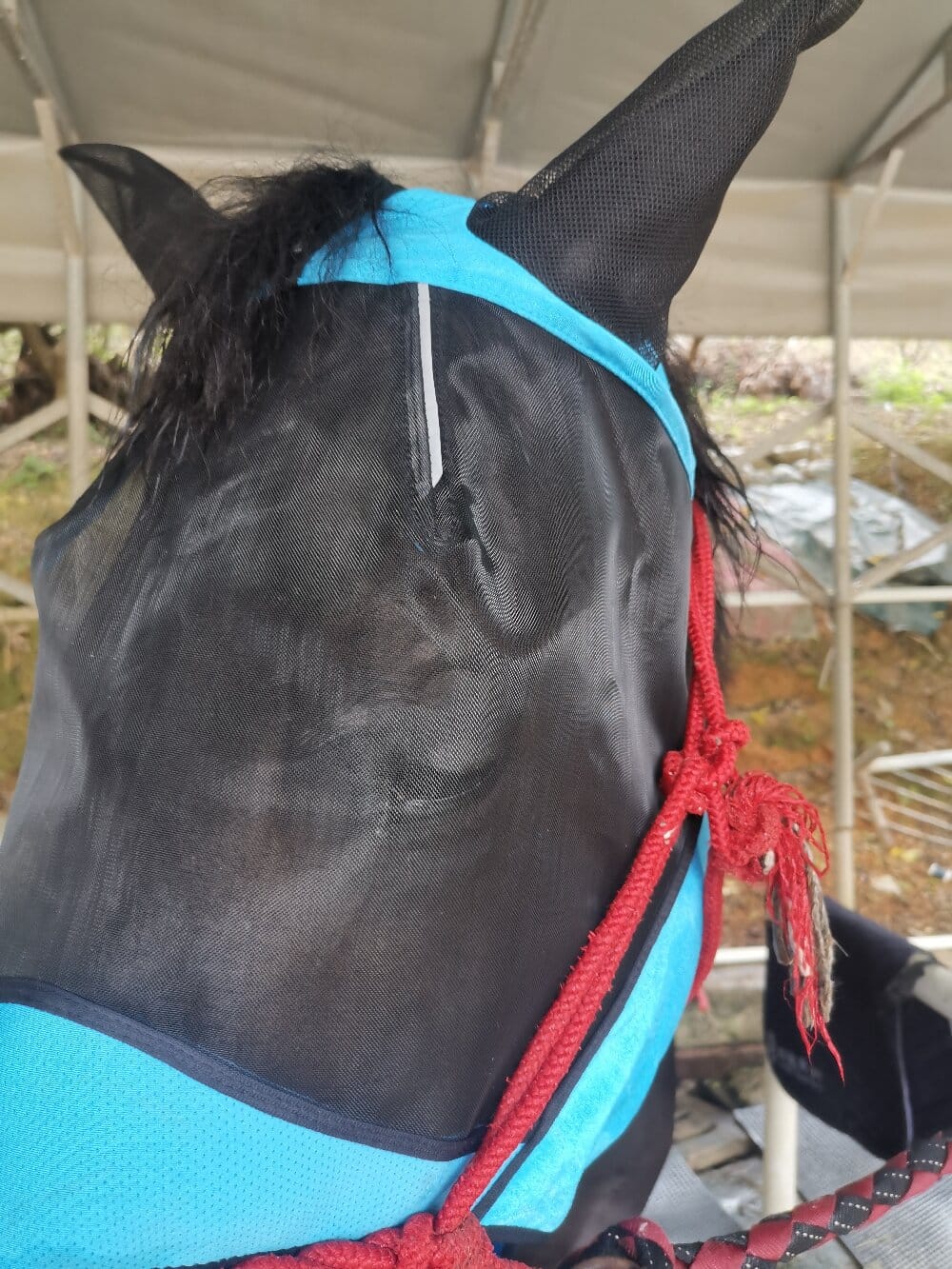
If you manage horses, you already know that flies are more than a nuisance—they are a genuine health and performance risk. A well-chosen horse fly mask has become one of the most cost-effective tools in your equine care arsenal, and in this industry insight, you will discover how modern masks have evolved, what to look for when buying, and how to get the most from your investment. Fly season stresses horses, disrupts grazing, spreads disease, and can even cause eye injuries, so understanding the technology behind today’s masks helps you make a smarter purchasing decision for your stable or client horses.
What a Quality Horse Fly Mask Actually Does
Industry manufacturers have moved far beyond simple mesh covers. Today’s masks combine UV-blocking fabrics, ergonomic fit, and reinforced stitching to deliver three core benefits:
- Eye protection: Fine mesh shields against flies, debris, and harmful ultraviolet rays, reducing the risk of conjunctivitis and photosensitivity issues.
- Stress reduction: Horses wearing masks show calmer behavior during turnout, which supports better weight maintenance and overall welfare.
- Wound prevention: Coverage around the ears and jawline helps prevent fly bites that can lead to sweet itch and secondary infections.
From a commercial standpoint, retailers and barn managers should note that demand now spans fly masks with ear covers, nose fringes, and detachable components—versatility sells.
Choosing the Right Horse Fly Mask: An Industry Checklist
When you evaluate products for your horses or your customers, focus on construction and fit rather than price alone. Consider these factors:
- Mesh density: Finer mesh blocks smaller insects but must still allow airflow; look for breathable, lightweight weaves.
- Fit and adjustability: Wide touch-and-close straps and elasticized edges prevent rubbing and keep the mask in place during rolling.
- UV rating: A documented UV protection rating matters for horses with pink skin or eye conditions.
- Durability: Reinforced binding and double-stitched seams extend product life through mud, washing, and daily turnout.
- Ear and forelock design: Removable ear covers and forelock openings improve comfort and reduce heat buildup.
Also consider seasonal rotation: many operations keep two masks per horse so one can be washed while the other is in use. This practice improves hygiene and extends product lifespan.
Fit, Care, and Maintenance Best Practices
Even the best horse fly mask underperforms if it fits poorly. Check daily for rub marks, especially behind the ears and along the cheekbones, and adjust straps so you can fit two fingers beneath them. Wash masks weekly in mild soap, rinse thoroughly, and air-dry away from direct heat to preserve mesh integrity. Inspect seams and fasteners regularly—small tears quickly become large ones during turnout. If you resell or recommend products, educate buyers on these habits; proper care reduces returns and builds trust.
Market Trends Shaping Fly Mask Design
You will notice growing demand for lightweight summer masks, UV-reflective fabrics, and designs compatible with fly sheets and neck covers. Sustainability is also influencing purchasing decisions, with recyclable packaging and longer-lasting materials gaining traction. Keeping your inventory aligned with these trends positions you as a knowledgeable supplier in a competitive equestrian market.
Conclusion
A horse fly mask is a small investment with outsized returns for equine health, comfort, and performance. By prioritizing mesh quality, fit, UV protection, and durability—and by maintaining masks properly—you protect your horses and make informed buying decisions. Whether you manage a single companion or a full barn, these industry insights help you choose masks that truly deliver.