
If you manage horses, you already know that fly season is not just a nuisance—it is a genuine health and performance issue. A well-chosen horse fly mask has become one of the most cost-effective tools in your daily care routine, protecting sensitive eyes and reducing the stress that insects cause. In this industry insight, you will learn how modern fly masks have evolved, what to look for when buying, and how to get the most from your investment.
What a Quality Horse Fly Mask Actually Does
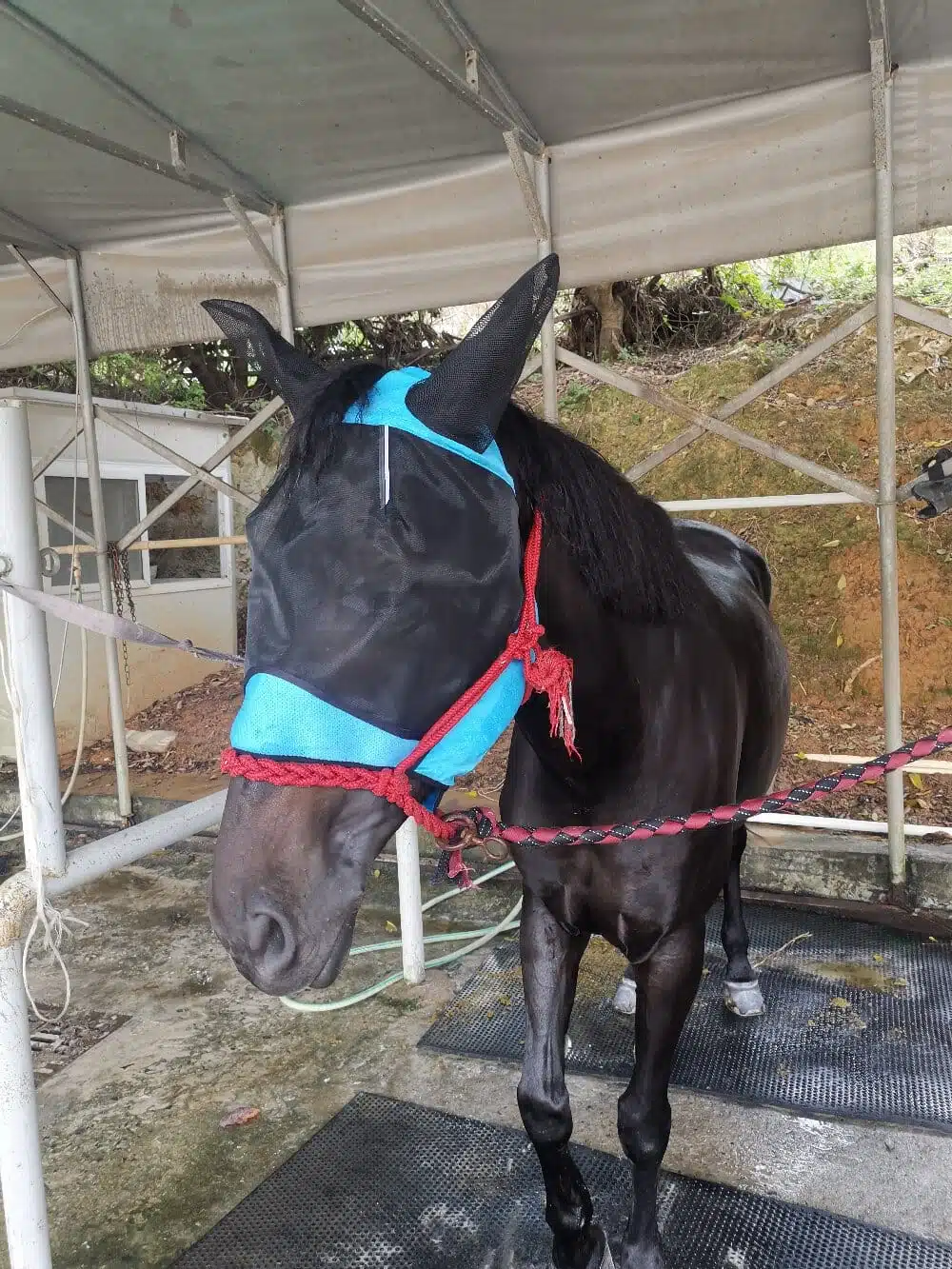
Today’s fly masks are engineered far beyond simple mesh covers. Industry manufacturers now focus on fit, durability, and visibility. A good mask shields the eyes and face from biting insects, reduces the risk of fly-related eye irritation and infection, and can even offer UV protection for horses with sensitive or light-colored skin. You will also find options that include ear covers, nose extensions, and reinforced binding to withstand turnout and pasture wear.
From a welfare standpoint, the benefits are clear. Less irritation means calmer horses, fewer head-shaking behaviors, and better focus during training and competition. If you have ever watched a horse rub its face raw against a fence, you understand why this piece of equipment earns its place in your tack room.
Key Features to Evaluate Before You Buy a Horse Fly Mask
Not all masks are created equal, and the differences matter. When you compare products, keep these factors in mind:
- Mesh density and airflow: Fine mesh blocks tiny insects, but you still need ventilation to prevent heat buildup.
- Fit and adjustability: Straps should be secure without rubbing, and the mask should stay in place during rolling and turnout.
- Eye clearance: The design should keep mesh away from the eyes and eyelashes to avoid abrasion.
- Durability: Reinforced seams, quality binding, and UV-resistant materials extend the life of the mask.
- Ear and nose options: Choose coverage based on your horse’s needs and local insect pressure.
You should also consider seasonal use. Some masks are lightweight for summer, while others offer added coverage for sensitive-skinned horses or those prone to sweet itch. Reading reviews from other owners and consulting your veterinarian can help you match the product to your horse’s specific situation.
Industry Trends Shaping Fly Mask Design
The equine equipment market has responded to owner demand with smarter designs. Manufacturers are investing in breathable fabrics, ergonomic shaping, and reflective trim for visibility. There is also a growing emphasis on testing masks for fit across different head shapes and breeds, which means you have more reliable sizing information than ever before. Sustainability is another emerging theme, with some brands exploring recycled materials and longer-lasting construction to reduce waste.
Practical Tips for Getting the Most from Your Horse Fly Mask
Once you have chosen a mask, maintenance matters. Inspect it regularly for tears or loose straps, clean it according to the manufacturer’s instructions, and rotate between two masks if possible to extend their lifespan. Introduce the mask gradually so your horse accepts it calmly, and check fit after clipping or seasonal coat changes. During peak fly season, combining the mask with good stable management—such as manure removal and fly traps—gives you the best overall protection.
Conclusion
A horse fly mask is a small investment with a big payoff for comfort, eye health, and training consistency. By understanding the features that matter and following sound maintenance practices, you can choose a mask that fits well, lasts longer, and keeps your horse focused on what matters most.