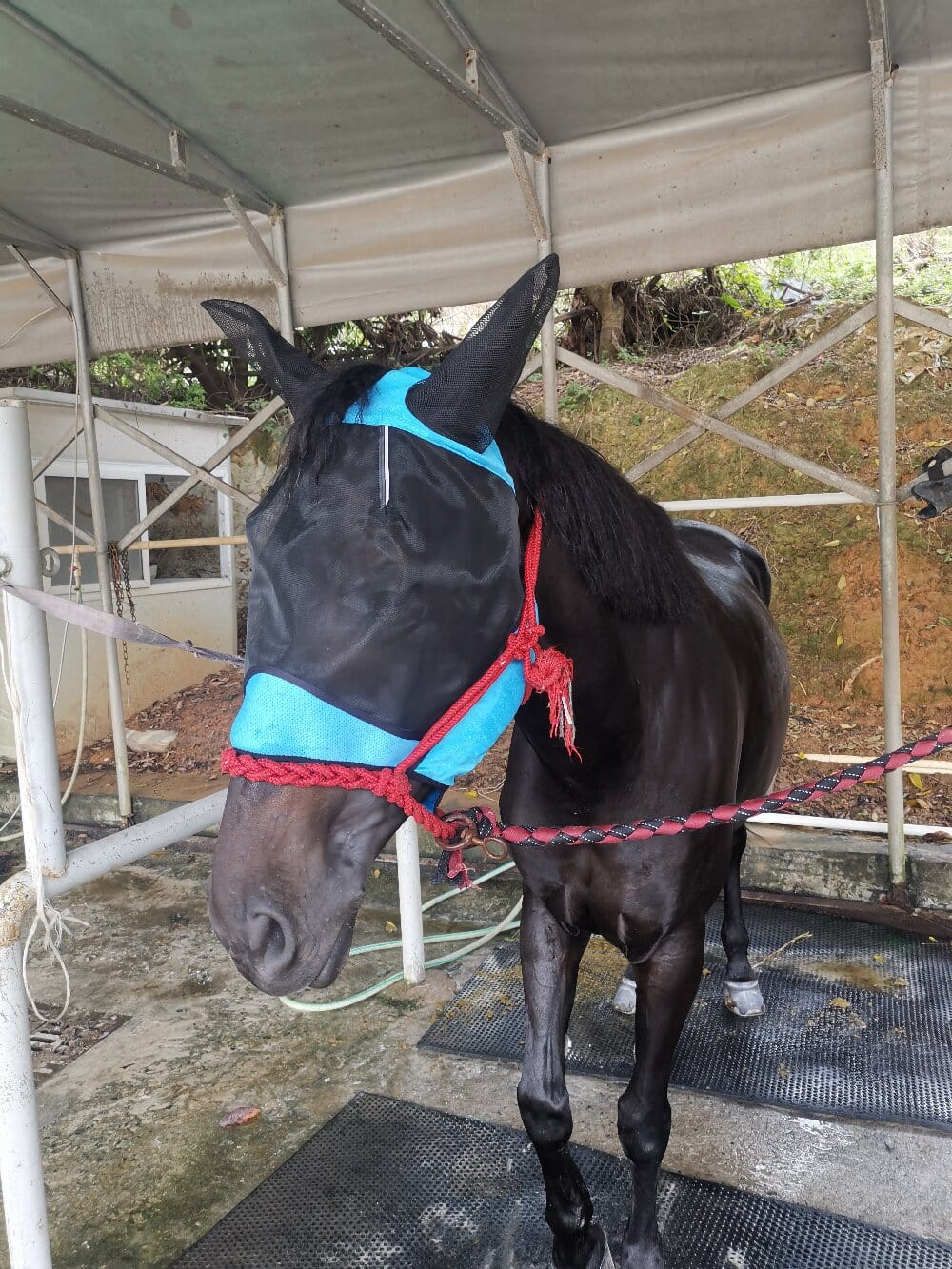
When I first brought my gelding home, I underestimated how much time I’d spend thinking about a horse fly mask. I figured any cheap mesh hood would do the job. Two summers, three lost masks, and one very unhappy horse later, I realized that comparing options carefully is the only way to get real protection and value. In this article, I’ll walk you through how I evaluate fly masks, what actually matters in the field, and how different styles stack up against each other.
What I Compare First: Fit and Coverage in a Horse Fly Mask
Fit is the foundation of everything else. A mask that gaps at the edges lets in every determined fly, while one that’s too tight rubs the face and gets rejected within minutes. When I compare products now, I look at:
- Ear coverage: Removable or attached ears change the calculus. Attached ears protect better but make cleaning harder.
- Muzzle length: Longer noses need masks with extended nose coverage; short-faced horses can wear standard cuts comfortably.
- Adjustability: Double hook-and-loop straps under the throat give me a much more secure fit than single straps.
- Forehead clearance: A good mask keeps mesh off the eyes so lashes don’t rub.
In my experience, fit trumps brand name every single time. I’ve had premium masks slide off and budget ones stay put for months.
Materials and Durability: Mesh Density vs. Visibility
Here’s where comparison gets interesting. Finer mesh blocks more tiny biting insects, but it also traps heat and reduces visibility. Coarser mesh breathes better and lets my horse see clearly, but smaller gnats slip through. I’ve tested both extremes, and I now favor a middle ground: fine mesh over the eyes and softer, more open fabric around the ears and muzzle.
Durability is the other half of the story. UV-resistant binding and reinforced stitching at stress points make a noticeable difference. Cheaper masks often fail at the strap seams first, usually within a few weeks of daily turnout. When I compare two masks side by side, I check the stitching quality before I even look at the price tag.
Comparing Styles: Standard, With Ears, and Full-Face Options
Not every horse needs the same level of protection, so I keep three categories in mind when I shop:
- Standard fly masks cover the eyes and face. They’re light, easy to clean, and ideal for horses that only deal with common flies.
- Ear-equipped masks add protection against ticks and gnats that target the ears. I use these for my sensitive mare during peak season.
- Full-face and nose-covered masks extend protection down the muzzle, which helps with sunburn and biting midges on pink-skinned noses.
I’ve found that rotating between a standard mask and a full-coverage option works best, especially during the hottest weeks when sweat and dirt build up quickly.
Care, Cleaning, and Cost Over Time
A fly mask is only as good as its maintenance routine. I rinse mine weekly in cool water and mild soap, air-dry them in the shade, and inspect straps for wear. When I compare total cost, I factor in longevity rather than sticker price alone. A slightly pricier mask that survives two full seasons usually beats three cheap ones that fall apart. Buying a spare also saves me from emergency purchases, which always seem to happen at full price.
My Final Takeaway
After years of trial and error, my conclusion is simple: compare fit, mesh quality, and durability before anything else, then match the style to your horse’s specific needs. A well-chosen horse fly mask protects eyes and ears, reduces stress, and pays for itself in comfort. Take measurements, read reviews from real owners, and don’t be afraid to try one budget option alongside a premium one. Your horse will tell you quickly enough which mask earns a permanent spot in the tack room.