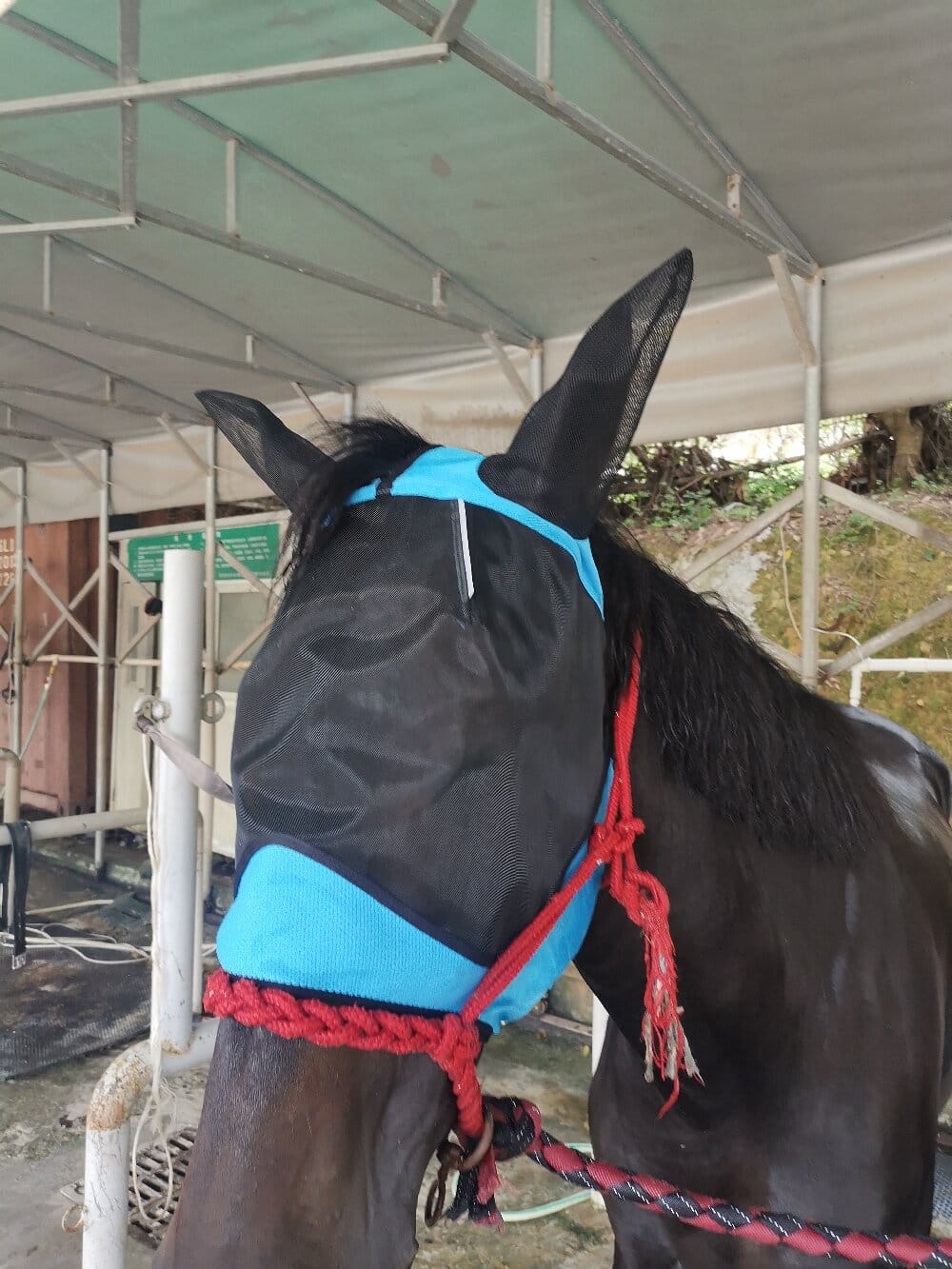
In my years covering equestrian product development, I have watched the horse fly mask evolve from a flimsy mesh afterthought into a genuinely engineered piece of protective gear. What was once a simple nylon hood tossed onto a horse during peak bug season is now a category defined by UV-resistant fabrics, ergonomic ear cutouts, and carefully calibrated airflow. For riders and barn managers, understanding this shift matters, because the difference between a cheap fly veil and a properly designed fly mask for horses can determine whether your animal spends the summer comfortable or constantly rubbing its face raw.
What Industry Insiders Look for in a Horse Fly Mask
From a manufacturing standpoint, the category has matured quickly. Suppliers now treat fly protection as a performance textile problem rather than a fashion accessory. The best masks on the market share a few traits that I consistently see prioritized by reputable brands:
- Fabric weight and weave: Fine mesh blocks biting insects while still allowing heat exchange; heavier weaves trade breathability for durability.
- UV rating: Many masks now advertise UPF protection, which matters for horses with pink skin or thin coats around the muzzle and eyelids.
- Ergonomic shaping: Darting and contoured seams around the eyes and ears reduce rub points, the single most common complaint from owners.
- Secure fastening: Wide touch-and-close straps and reinforced binding outperform thin elastic that stretches out after a few washings.
- Field repairability: Stitching quality and replaceable components are increasingly part of the value proposition.
Materials and Construction: Where the Real Differentiation Happens
The supply chain tells an interesting story. Traditional cotton-blend fly veils are being displaced by synthetic meshes that resist tearing and hold their shape through repeated laundering. I have spoken with buyers who now request independent lab testing for air permeability, because a mask that traps heat can do more harm than good during July workouts. Ear coverage is another flashpoint: some horses tolerate full ear envelopes, while others need open-ear designs to stay relaxed. Muzzle extensions with fleece binding have become a staple for horses prone to sweet itch and insect hypersensitivity, and removable nose pieces extend product lifespan considerably.
Fitting the Horse Fly Mask Into a Broader Fly Control Strategy
No single piece of equipment solves fly season. Industry veterans consistently frame mask use as one layer within an integrated approach that includes barn ventilation, manure management, topical repellents, and strategic turnout timing. A well-fitted mask should sit clear of the eyelashes, allow the ears to move naturally, and stay put during rolling and grazing. I always advise checking fit weekly during peak season, since a mask that shifts can create abrasions faster than it prevents bites.
Purchasing Signals That Separate Quality From Compromise
When I evaluate a fly mask for horses, I look for transparent sizing charts, clear care instructions, and honest material specifications. Retailers that publish mesh denier, UV ratings, and warranty terms are usually selling a product built to last more than one summer. Price alone is a poor guide; a mid-range mask with reinforced binding and adjustable straps typically outlasts a bargain option several times over.
In short, the modern horse fly mask deserves a place in every barn’s core equipment kit. Prioritize breathable mesh, precise fit, and durable construction, integrate the mask into a wider insect-management plan, and inspect it regularly. Riders who treat fly protection as an engineering decision rather than an impulse buy will keep their horses healthier and calmer through the longest days of the year.