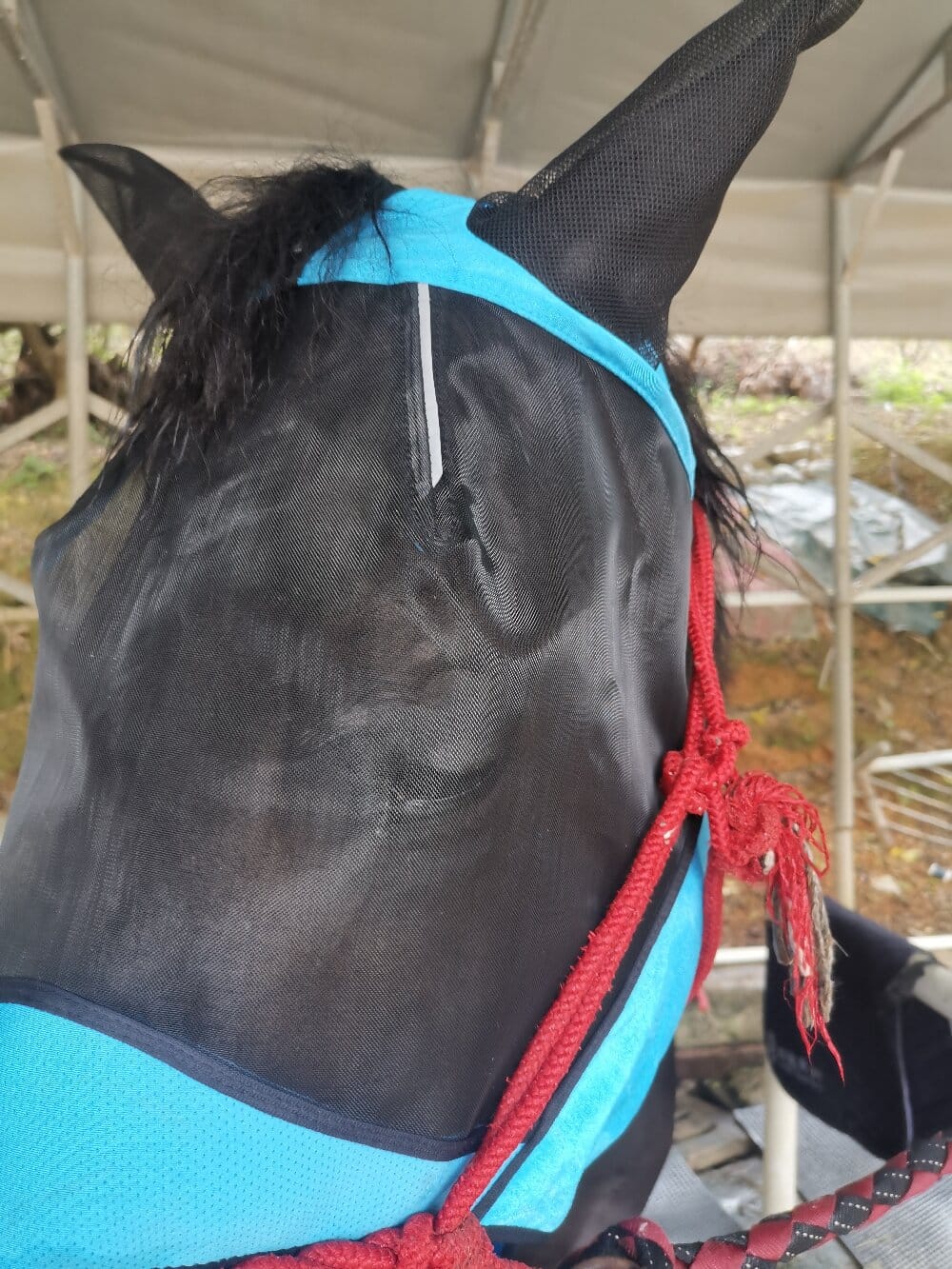
I used to think of a horse fly mask as a simple seasonal purchase, but after three summers of tracking how my horses reacted to different designs, I realized the numbers tell a far more interesting story. A fly mask is not just fabric over the eyes; it is a measurable piece of protective equipment, and when I started logging wear time, rub marks, and insect counts, the data changed how I shop. In this article I want to walk through what I found, how I interpreted it, and what it means for anyone choosing fly protection for their horse.
What My Fly Mask Data Actually Measured
Before drawing conclusions, I had to define what counted as useful evidence. Over two fly seasons I recorded four variables for every mask in rotation:
- Daily wear hours and how often the mask stayed on during turnout
- Visible insect landing attempts around the eyes and ears during ten-minute observation windows
- Rub marks, hair loss, and skin irritation scores checked weekly
- Durability, measured in weeks before stitching, mesh, or fasteners failed
That gave me a small but consistent dataset of roughly 180 observation sessions. The first surprise was how much variation existed between masks that looked nearly identical on the shelf.
Interpreting the Numbers Behind a Horse Fly Mask
When I plotted insect landing attempts against mesh density, the relationship was not linear. Masks with very fine mesh reduced landings near the eyes by a wide margin, but they also raised heat retention concerns during peak afternoon temperatures. Coarser mesh performed worse on fly deterrence but scored better on airflow. The takeaway was not that one design wins outright, but that the best horse fly mask depends on the conditions you are actually managing.
Durability data was equally revealing. Cheaper masks failed most often at the throat latch and ear seams, not the eye mesh. That told me where manufacturers cut corners and where I should inspect a mask before buying. Fit mattered more than price: masks that stayed properly positioned had noticeably fewer rub marks, while loose masks slid and created friction at the poll and cheekbones.
Patterns I Did Not Expect
Two findings stood out. First, horses with lighter coats and pink skin around the muzzle showed higher irritation scores regardless of mask brand, which suggests sunscreen and shade management still matter alongside any fly mask. Second, wear compliance dropped sharply in humid weather; masks that trapped moisture were removed more often, which undermined their protection. In other words, comfort data predicted real-world effectiveness better than marketing claims did.
How I Use This Data When Choosing Fly Protection
My purchasing checklist now looks different from where I started:
- Prioritize fit and adjustability over mesh fineness alone.
- Check reinforcement at seams and fasteners, not just the eye area.
- Rotate masks so I can inspect skin condition weekly.
- Track wear hours honestly, because a mask only works while it stays on.
I also treat fly masks as part of a broader insect control plan that includes fly repellent, stable hygiene, and turnout timing. No single product replaces good management.
Conclusion
Looking at fly protection through a data lens turned a routine purchase into a measurable decision. My records show that fit, comfort, and construction quality matter more than appearance, and that consistent observation beats any single product claim. If you keep a simple log of wear time, skin condition, and durability, you will learn quickly which horse fly mask truly earns its place in your tack room.