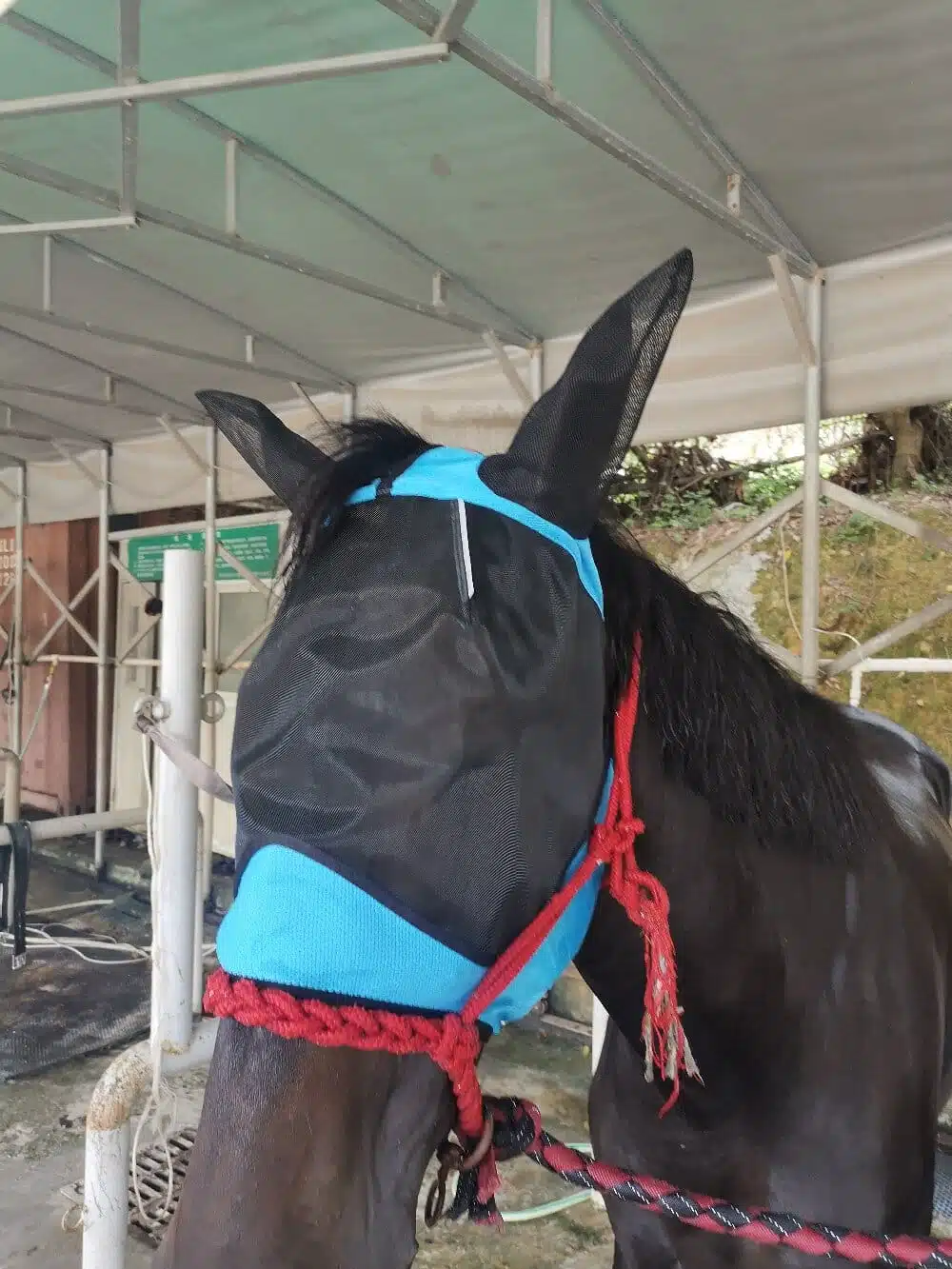

After three summers of battling welts, watery eyes, and a constantly swishing tail, I finally invested in a horse fly mask for my sensitive Thoroughbred mare, Luna. I wish I had done it years earlier. If you are dealing with head-shy horses, seasonal allergies, or relentless deer flies in your pasture, my experience might save you some time and frustration. This is not a sponsored review; it is simply what worked for me and what I learned along the way.
What Prompted Me to Buy a Horse Fly Mask
Luna has always been a drama queen about bugs. Every June, the flies would swarm her eyes and ears until she was practically unrideable. I tried sprays, wipes, and even a homemade concoction of apple cider vinegar and essential oils. Nothing lasted more than an hour. The turning point came when my vet noticed superficial corneal ulcers from her constant rubbing. That was my wake-up call. I needed a physical barrier, not just a repellent.
Choosing the Right Fly Mask for My Horse
Shopping for a horse fly mask online was overwhelming. There are dozens of styles, from basic mesh to full-face shields with nose covers and ear bonnets. I learned quickly that fit matters more than brand. Here is what I prioritized based on my research and trial-and-error:
- UV protection: Many masks block 70% or more of UV rays, which helps with photosensitivity and eye irritation.
- Ear coverage: Luna hated ear flies, so I chose a mask with soft mesh ear covers that did not rub her poll.
- Adjustable straps: Two-way hook-and-loop closures under the jaw and over the poll prevented her from slipping it off on fence posts.
- Forelock opening: A small gap at the top allowed her forelock to sit naturally, reducing rubbing.
- Durability: Cheap masks tore within a week. I eventually settled on a reinforced nylon mesh with double-stitched edges.
I also bought a second mask as a backup. Trust me, you do not want to be washing a fly mask every other day during peak fly season.
My Daily Routine with a Horse Fly Mask
At first, Luna was suspicious. I spent ten minutes just letting her sniff the mask and rewarding her with treats. By day three, she lowered her head willingly. Now, putting it on takes seconds. I check it twice daily: once in the morning when I turn her out, and once in the evening when I bring her in. I rinse the mask with plain water every few days to remove dust and sweat, and I hand-wash it with mild soap once a week. A clean mask prevents skin irritation and keeps the mesh clear for visibility.
Results After One Full Summer
The difference was dramatic. Luna’s eyes stayed clear, her coat had no new welts, and she stopped pacing the fence line. She even seemed calmer under saddle because she was not constantly shaking her head. I did notice one downside: on very hot, humid days, the mask can trap heat. I solved this by removing it during the hottest hours and reapplying fly spray on her body instead. Another tip: always check under the mask for rubs, especially behind the ears and along the cheekbones. A little bit of fleece padding solved that issue for us.
Final Thoughts on Buying and Using a Horse Fly Mask
If your horse suffers from fly-related stress, a fly mask is one of the cheapest, most effective tools you can buy. It is not a cure-all, but combined with good barn management, it makes summer bearable. Start with a well-fitting mask, introduce it slowly, and keep it clean. Your horse will thank you with clear eyes and a quiet tail. After my experience, I will never go a fly season without one again.