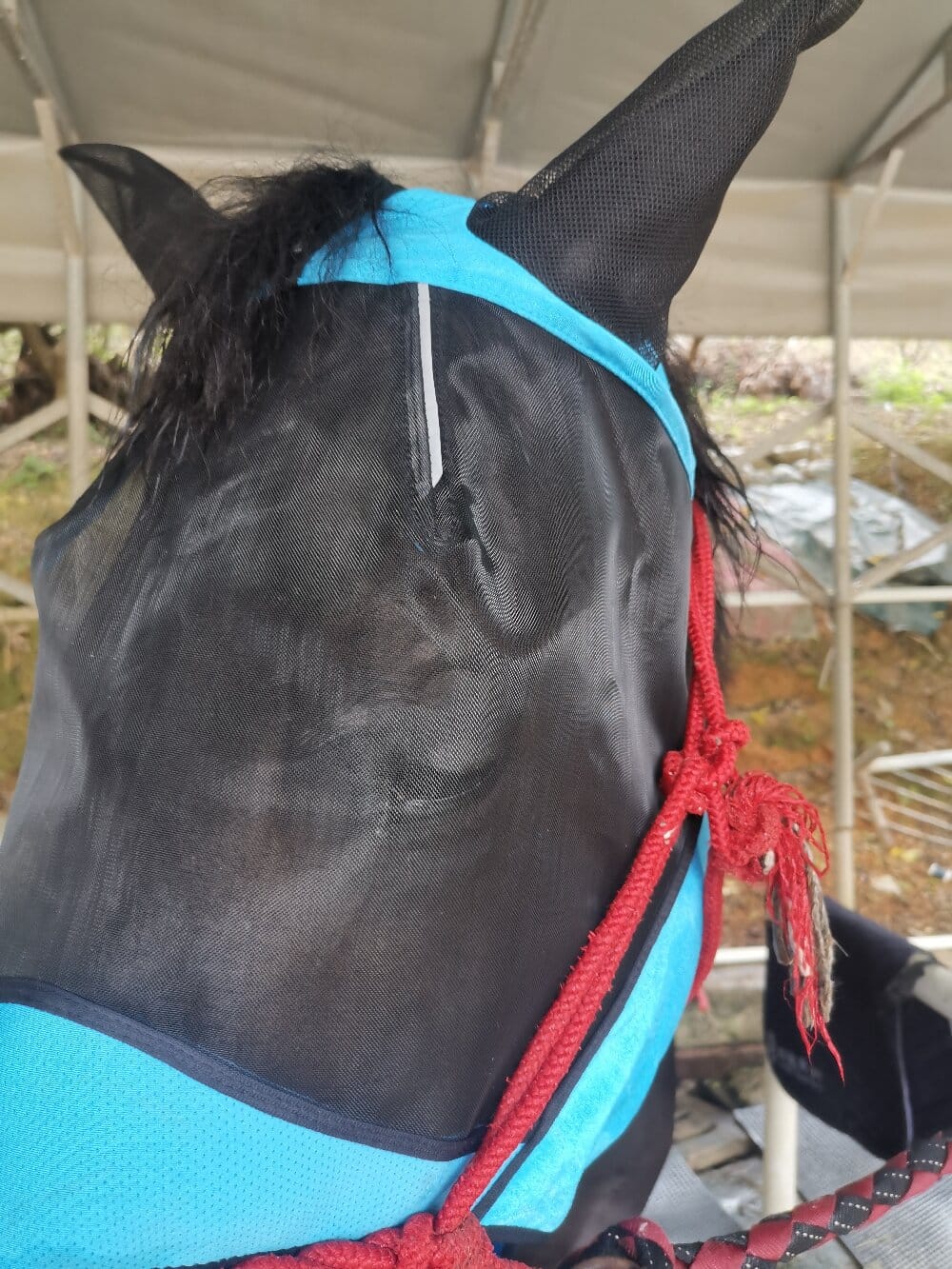
Every equine veterinarian, trainer, and experienced stable manager will tell you the same thing: a horse fly mask is one of the simplest, most cost-effective pieces of protective gear you can invest in. As an equine health specialist who has reviewed countless cases of fly-related eye irritation and summer skin damage, I can say with confidence that this modest piece of mesh does far more than keep bugs off your horse. It protects vision, reduces stress, and supports overall wellbeing during the warmer months. In this expert guide, I will share what the professionals know, where opinions diverge, and how to choose the right mask for your horse.
What the Experts Agree On: Protection and Comfort
From veterinary ophthalmologists to barn managers, there is broad consensus on the core benefits of fly masks for horses. The mesh barrier shields the eyes, ears, and face from biting insects such as face flies, stable flies, and gnats, which are known carriers of conjunctivitis and summer sores. According to equine optometry specialists, ultraviolet-blocking masks can also reduce exposure to harsh sunlight, lowering the risk of squamous cell carcinoma and photic headshaking in sensitive horses.
Trainers note a behavioral dimension as well: horses wearing protective fly gear during turnout show fewer stress behaviors, less head tossing, and calmer grazing. For performance horses, that translates into fewer distractions under saddle and more consistent training sessions. In short, the experts view the equine fly mask as preventive care, not a luxury accessory.
Where Professional Opinions Differ
Not every expert takes the same view on fit and usage, and it is worth hearing both sides. Some veterinarians advocate for full-coverage masks with ear protection and nose extensions, arguing that complete facial shielding prevents insect bites around sensitive areas. Others prefer minimal designs, warning that over-coverage can trap heat and moisture, particularly in humid climates.
Farriers and pasture managers often raise a practical concern: durability. A cheaply made horse fly mask may tear within days, while premium ripstop versions with reinforced binding last entire seasons. The takeaway from this multi-perspective debate is that selection should match your horse’s environment, coat color, and sensitivity rather than following a single blanket recommendation.
How to Choose the Right Fly Mask for Horses
Drawing on expert guidance, here is a practical checklist for selecting fly protection:
- Fit first: The mask should sit away from the eyes, with no rubbing at the browband or cheek straps. Measure from poll to nose before ordering.
- UV rating: Look for fabrics that block a high percentage of UV rays, especially for light-skinned or pink-skinned horses.
- Ear and nose options: Add ear covers in gnat-heavy areas; choose nose extensions for horses prone to sunburn on the muzzle.
- Breathability: Mesh that allows airflow reduces sweating and heat buildup during summer turnout.
- Secure closures: Double hook-and-loop straps or buckle systems prevent loss and reduce snagging risk in the paddock.
Care, Rotation, and Common Mistakes
Experts emphasize that even the best insect protection for horses requires maintenance. Inspect masks daily for tears, debris, and rubbing, and hand-wash them weekly with mild soap. Rotate two masks so one is always clean and dry. A frequent mistake is leaving a damp mask on for extended periods, which can cause skin irritation. Another is ignoring fit changes as the seasons shift and coats thicken or thin.
Final Thoughts
Across disciplines, the professional verdict is clear: a well-fitted horse fly mask is a low-cost, high-impact investment in your horse’s eye health, comfort, and performance. Choose based on fit, UV protection, and your local insect pressure, maintain it diligently, and consult your veterinarian for horses with pre-existing eye conditions. Your horse will thank you with calmer, healthier summer days.