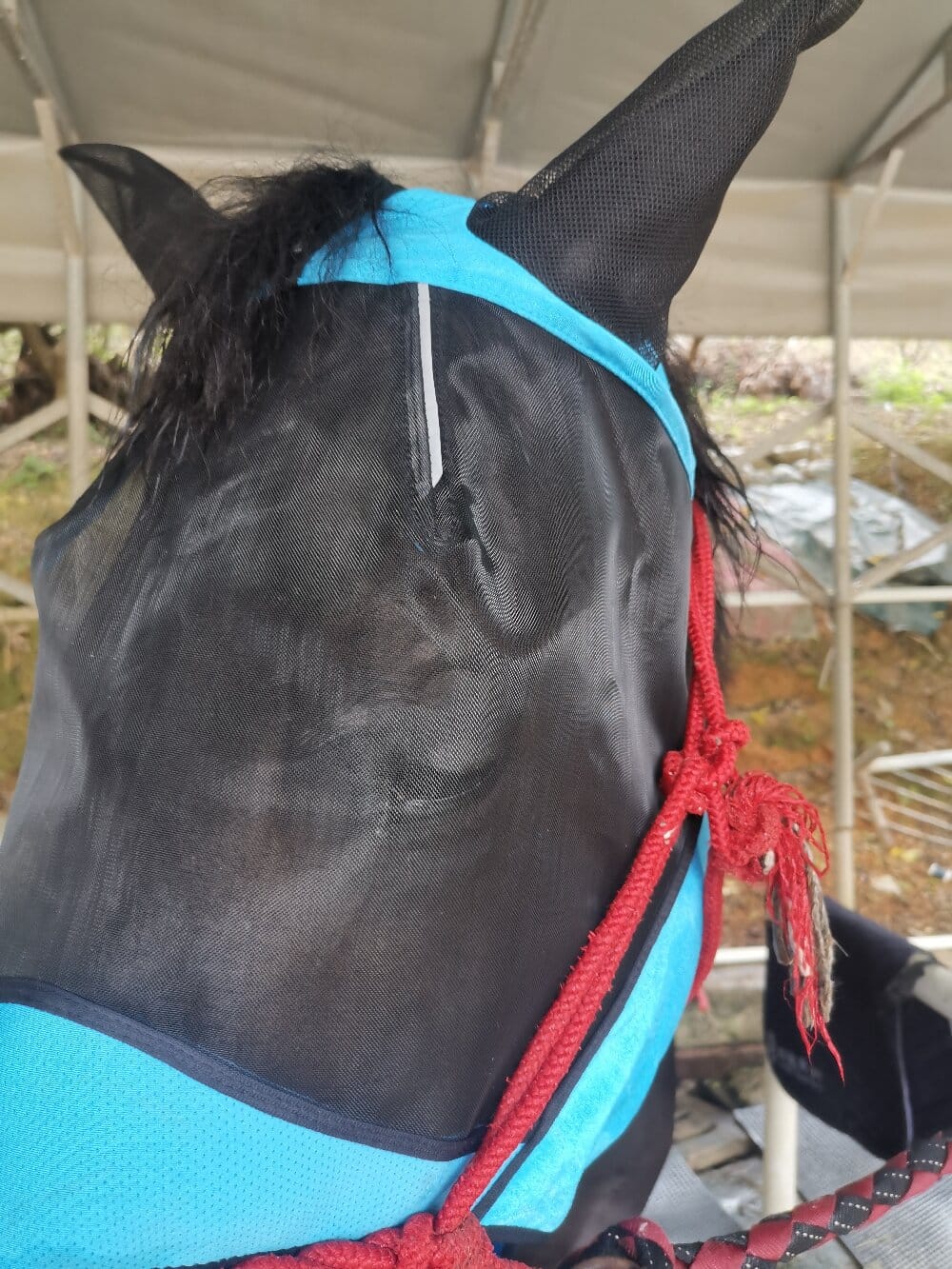
If you have spent any time around horses during the warmer months, you already know that flies are more than a nuisance—they are a genuine threat to comfort, focus, and skin health. That is why the horse fly mask has evolved from a simple seasonal accessory into a core piece of equine protective gear. In this industry insight, you will discover what buyers and barn managers are prioritizing in 2024, how materials and design have improved, and how to choose a mask that actually stays on and performs in real pasture conditions.
What the Market Is Telling You About Horse Fly Mask Design
Manufacturers have clearly been listening to riders and stable managers. The latest generation of fly masks for horses reflects a shift toward durability and anatomical fit rather than one-size-fits-all nets. You will notice several recurring themes in product development:
- Fabric engineering: Knitted mesh is now rated for UV blocking as well as fly exclusion, with softer binding that reduces rub marks along the jaw and brow.
- Reinforced edges: Fade-resistant binding and double-stitched seams extend the usable life of a mask through daily turnout.
- Ear and forelock options: Removable ears, extended nose coverage, and forelock openings let you tailor protection to your horse’s sensitivity and the local insect pressure.
- Fit systems: Adjustable touch-and-close straps, elastic throat closures, and fleece padding are now standard because a loose mask invites debris and a tight one causes pressure points.
From a retail perspective, these features drive repeat purchases. Horse owners who once replaced cheap masks every few weeks are now willing to pay more for a single unit that survives a full season, which changes how you should evaluate value per wear rather than sticker price.
How to Match a Fly Mask to Your Horse and Your Environment
Not every mask suits every situation, and the industry’s best guidance starts with honest assessment. Consider these practical checkpoints before you buy:
- Assess insect pressure: High-moisture pastures with standing water demand full-face coverage, while dry lots may only require eye and ear protection.
- Check skin sensitivity: Horses prone to rubs benefit from fleece-lined edges and smooth binding; avoid coarse mesh near the cheekbones.
- Verify visibility: A quality insect fly mask for horses should allow clear forward vision so your horse can graze and move without spooking.
- Plan for rotation: Owning two masks lets you wash one while the other protects, extending the lifespan of both.
- Inspect daily: Remove the mask each day to check eyes, ears, and skin for irritation, and repair or replace torn mesh immediately.
You should also think about seasonal transitions. A lightweight summer mask differs from a heavier turnout version with ear coverage, and layering protection with fly spray and shelter access produces better results than any single product alone.
Buying Smart: Value Signals That Matter
When you compare options, look beyond the packaging. Stitching quality, strap hardware, and mesh density are the three strongest predictors of longevity. Ask whether the mask is machine washable, whether replacement parts are sold separately, and whether sizing charts include head circumference and length measurements. Retailers who provide these details see fewer returns and higher customer satisfaction, and you get a mask that fits correctly the first time.
In short, the horse fly mask is no longer a disposable extra—it is a performance product shaped by material science and real-world feedback. Prioritize fit, fabric, and reinforcement, rotate your masks, and inspect them daily. Do that, and you will protect your horse’s eyes and skin while getting far more value from every season of use.