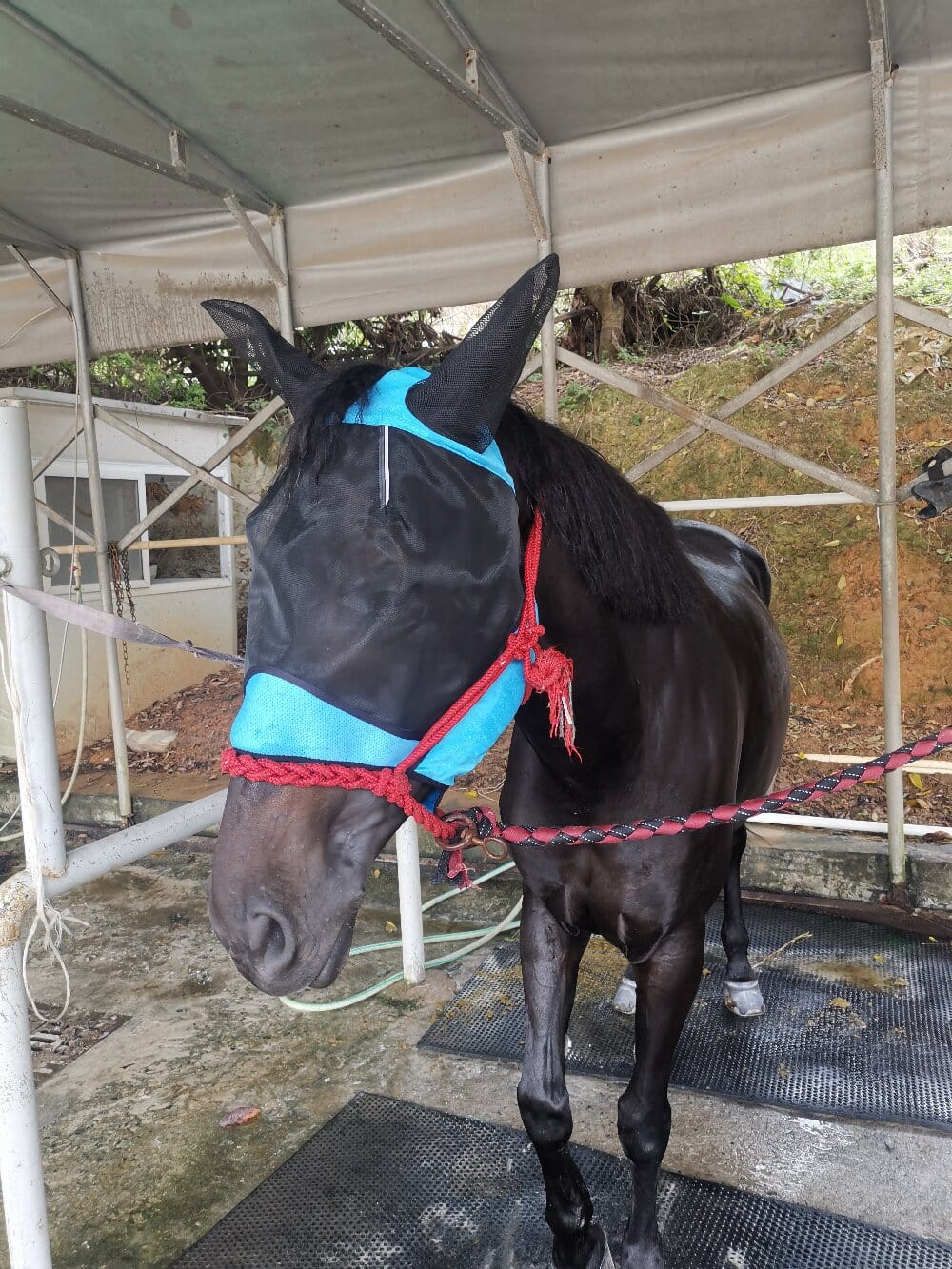
When riders and stable managers evaluate a horse fly mask, they are rarely looking at a single product—they are interpreting a cluster of data points, from UV-blocking percentages and mesh density to field reports on rub resistance and insect pressure. Viewed through a data interpretation lens, the modern fly mask is less a simple accessory and more a measurable intervention in equine comfort and health. Understanding what the numbers actually say helps buyers cut through marketing claims and match the right mask to the right horse, season, and environment.
What the Numbers Reveal About Horse Fly Mask Performance
Manufacturer specifications and independent trials generate several recurring metrics. Interpreting them side by side produces a clearer picture than any single figure:
- UV protection ratings: Many masks advertise 60–90% UV reduction; higher percentages matter most for horses with pink skin or photosensitivity.
- Mesh density and airflow: Finer mesh blocks smaller insects but can trap heat, so ventilation data must be read alongside protection claims.
- Durability and rub scores: Field studies and user surveys often rank tearing and rubbing as the top failure points, which is why fit data deserves equal weight to fabric specs.
- Insect exclusion rates: Reported reductions in fly bites and related eye irritation vary by design, especially around the ears and muzzle.
Cross-referencing these datasets reveals trade-offs rather than absolutes. A mask with exceptional UV blocking may score lower on breathability, while a lightweight mesh option may excel in airflow but underperform on small-insect exclusion. Data interpretation, in this sense, is about balancing priorities rather than chasing a single headline number.
Interpreting Results Across Different Perspectives
The same performance data can tell different stories depending on who is reading it. From a veterinary standpoint, reduced fly exposure correlates with fewer cases of eye irritation and conjunctivitis, making protection rates a health metric rather than a convenience one. From a rider’s perspective, fit retention and visibility during exercise matter most—a mask that shifts or obscures vision fails regardless of its UV rating. From a barn manager’s view, cost per season, washability, and replacement frequency dominate the decision, turning durability scores into budget forecasts. Even the horse contributes data, so to speak: behavioral observations of head-tossing, squinting, or rubbing against fences offer real-world evidence of whether a mask is working. Combining these viewpoints prevents overreliance on any single metric and produces a more honest assessment of value.
Practical Data Points Buyers Should Track
Treating a fly mask purchase as an ongoing measurement exercise improves outcomes over time. Consider keeping simple records:
- Seasonal insect pressure in your area and which species dominate.
- Your horse’s skin sensitivity and past response to fly bites.
- Hours of turnout versus stabled time, which affects wear and exposure.
- Fit measurements—poll circumference and muzzle length—checked against sizing charts.
- Wash cycles and observed degradation after each cleaning.
These records transform anecdotal impressions into comparable data, making it easier to judge whether a mask genuinely reduced irritation or simply coincided with a lighter fly season. They also support smarter rotation between masks, extending service life and maintaining protection levels.
Conclusion: Turning Metrics Into Better Decisions
Interpreting the evidence around a horse fly mask means weighing UV protection, mesh design, durability, and fit against the specific needs of each horse and environment. No single statistic captures performance; the value emerges from how the data points combine. By tracking a few key measurements and considering veterinary, rider, and management perspectives together, owners can choose masks that deliver measurable comfort and reliable protection season after season.