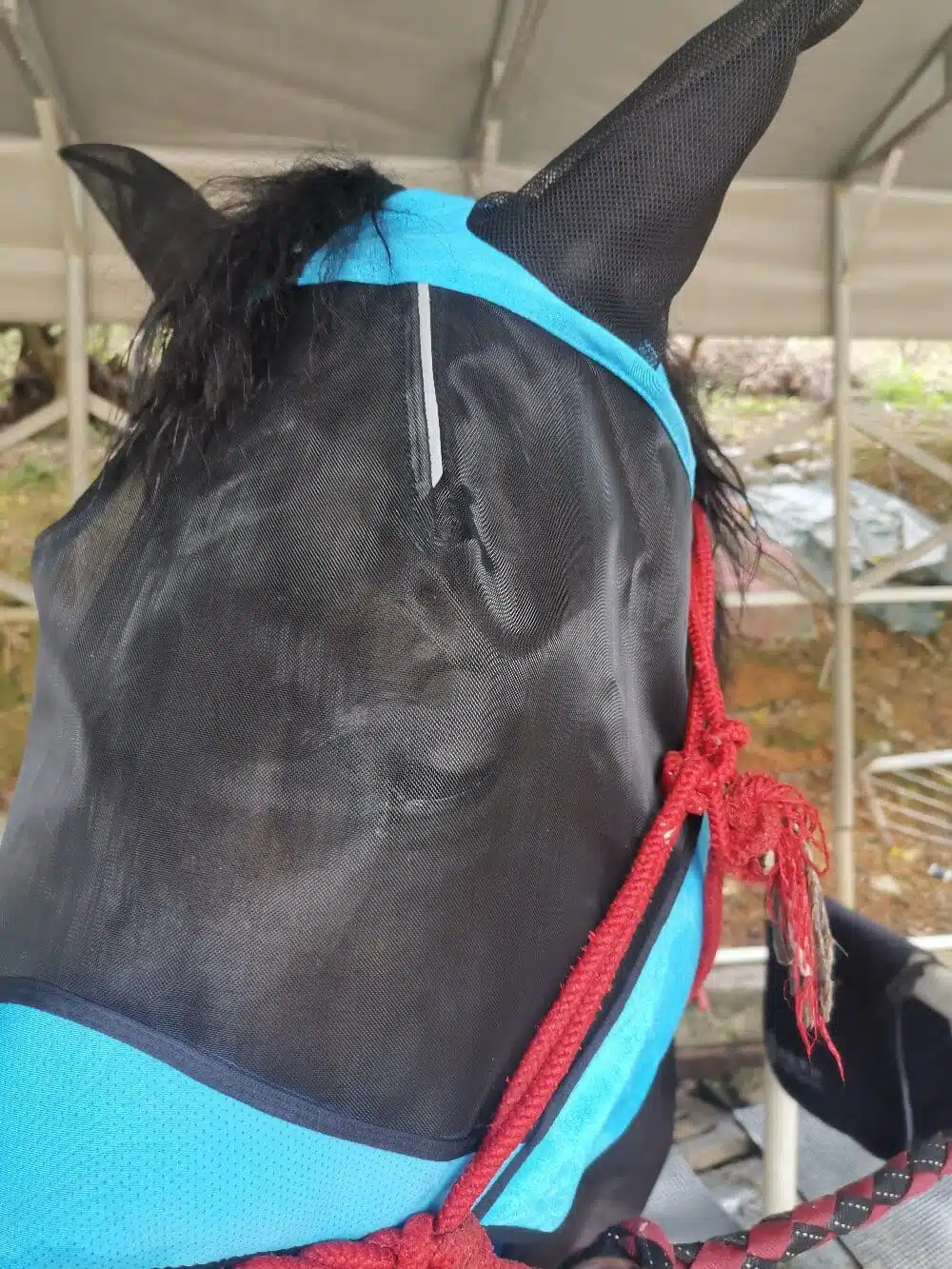

When I first noticed my horse, Charlie, constantly shaking his head and rubbing his face against the fence, I knew something was wrong. A closer look revealed crusty, swollen eyes and a small wound on his eyelid. The culprit? A relentless swarm of flies. This is when I realized that a simple horse fly mask was not just an accessory—it was an essential piece of protective gear. If you are dealing with similar issues, from eye infections to constant irritation, finding the right fly mask can solve multiple problems at once.
Why a Horse Fly Mask is a Must-Have for Pest Control
Flies are more than just a nuisance; they can cause real harm. Common problems include conjunctivitis, eye ulcers, and even skin infections from constant rubbing. In my case, Charlie was developing a condition called “equine recurrent uveitis,” which was aggravated by fly bites. A quality horse fly mask creates a physical barrier. It protects the delicate eye area from biting insects, dust, and UV rays. Since using one, Charlie’s eyes have cleared up dramatically. The mask prevents flies from landing directly on the skin, which stops them from depositing eggs or bacteria that cause pink eye.
Beyond eye health, these masks also help with overall comfort. Horses under constant attack from flies become stressed, which can lead to weight loss and poor performance. By wearing a mask, your horse can relax in the pasture, eat without interruption, and sleep better. I noticed that Charlie stopped pacing the fence line and now spends more time grazing peacefully.
Key Features to Look for in a Horse Fly Mask
Not all masks are created equal. I learned this the hard way after buying a cheap one that sagged and irritated Charlie’s ears. Here are the most important features to consider:
- UV and mesh quality: Look for a high-density polypropylene mesh that blocks at least 70% of UV rays. This prevents sunburn on sensitive noses and reduces glare.
- Secure fit: A good mask should have a contoured shape around the eyes and a padded nose panel. Adjustable Velcro straps at the throat latch and ears are critical to prevent slipping.
- Durability: The mask must withstand rubbing against trees, fences, and the ground. Reinforced stitching around the eye holes and seams is a must.
- Vision clarity: High-quality mesh allows clear, distortion-free vision. Poor mesh can make your horse nervous or prone to tripping.
- Breathability: The material should allow airflow so your horse can breathe freely, especially during hot weather.
The Problem of Fit: How to Avoid a Wasted Investment
One of the biggest mistakes I made was buying a mask without measuring Charlie’s head. A poor fit can cause rubbing behind the ears or pressure points on the cheeks. To solve this, measure from the poll (between the ears) to the tip of the nose, and also around the circumference of the head. Most brands offer size charts, and many now offer “full face” designs that cover the ears for extra protection. I switched to a model with a fleece-lined crown piece, which eliminated chafing completely. A well-fitted mask stays put even when my horse rolls in the mud.
How to Train Your Horse to Accept a Fly Mask
Some horses, like Charlie, initially hate the mask. They might toss their head or refuse to move. Patience is key. I started by letting him sniff the mask, then held it against his face for a few seconds before fastening it. I used treats (carrots) as positive reinforcement. After three short sessions, he stopped resisting. Now, he actually stands still when I approach with the mask. Remember, the goal is to solve a problem, not to create a new one. Never force the mask on a panicked horse; desensitization takes time.
Cleaning and Maintenance: A Practical Tip
A dirty fly mask is a breeding ground for bacteria. I wash mine weekly with mild soap and warm water. Let it air dry in the shade to prevent UV damage to the mesh. Replace the mask as soon as you see tears or stretched-out elastic, because a broken mask will not protect your horse’s eyes. I keep two masks in rotation—one in use, one clean and ready.
My Final Verdict on Horse Fly Masks
Investing in a high-quality horse fly mask solved the most persistent health issue I had with Charlie. It prevented eye infections, reduced stress, and saved me money on vet bills for eye ointments. If you are tired of seeing your horse suffer from fly attack, swollen eyes, or constant head shaking, this simple piece of equipment is the solution. Choose one with proper fit, UV protection, and durable materials. Your horse will thank you with clear eyes and a calm demeanor. For me, it was the single best purchase I made for Charlie’s comfort and health.