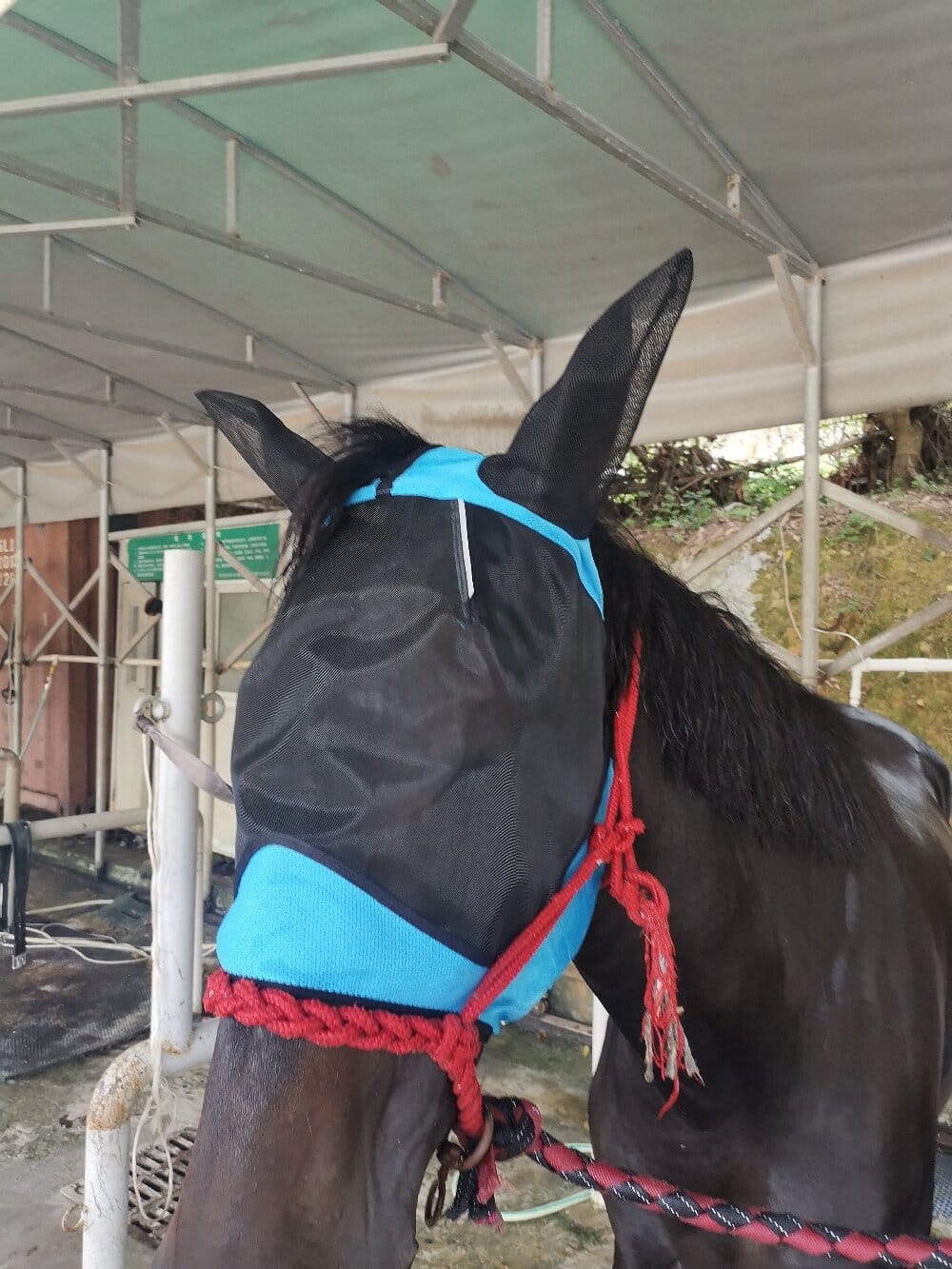
As someone who has spent years working alongside stable managers, veterinarians, and competitive riders, I have watched the horse fly mask evolve from a simple mesh hood into a sophisticated piece of equine protective equipment. The global equine care market continues to expand, and fly masks are now one of the fastest-moving accessories in tack shops. Whether you own a pasture pet or a high-performance sport horse, understanding this product category can save you money and protect your animal from painful eye conditions.
Why a Horse Fly Mask Matters More Than Most Owners Realize
From an industry standpoint, the primary driver behind fly mask sales is not aesthetics. It is veterinary economics. Face flies, stable flies, and gnats are more than a nuisance. They transmit conjunctivitis, spread bacterial infections, and aggravate conditions like uveitis and squamous cell carcinoma in light-skinned horses. A well-fitted fly mask with UV protection blocks a significant percentage of harmful solar radiation, which is especially important for horses with pink skin around the eyes.
I have seen barns reduce their summer veterinary bills simply by standardizing on quality equine fly masks. The return on investment is measurable, and that is why even budget-conscious boarding facilities now treat these masks as essential rather than optional.
Key Features Buyers and Retailers Should Evaluate
When I evaluate fly masks for clients, I focus on construction rather than branding. The following attributes consistently separate premium products from disposable ones:
- Mesh density: Fine mesh blocks tiny midges, while coarser weave offers better airflow in humid climates.
- UV rating: Look for fabrics tested to block at least 70 percent of UVA and UVB rays.
- Fit and fastening: Double hook-and-loop closures under the jaw and over the poll prevent rubbing and escape.
- Ear and nose coverage: Extended styles protect against ticks and sunburn but must allow full vision.
- Durability: Reinforced binding and fleece padding at pressure points extend usable life.
I always recommend measuring the horse before ordering. A mask that is too loose invites debris and rubbing, while one that is too tight restricts eyelid movement and can cause corneal abrasions.
How the Horse Fly Mask Market Is Shifting
The industry is moving in three clear directions. First, materials are becoming lighter and more breathable, driven by demand from warm-climate regions such as Florida, Australia, and the Middle East. Second, designs are becoming more modular, with detachable nose pieces and ear covers sold separately. Third, smart textiles with antimicrobial treatments are entering the premium tier.
I also notice growing interest in fly masks for miniature horses, donkeys, and mules, a segment that was largely ignored a decade ago. Manufacturers that recognize this diversity are gaining shelf space quickly.
Practical Guidance for Stable Managers
Based on my field experience, here is a simple routine that maximizes the value of any fly mask:
- Inspect daily for tears, soiled mesh, and bent fasteners.
- Wash weekly in mild soap and air dry to preserve UV coatings.
- Rotate at least two masks per horse so one is always clean and dry.
- Remove the mask during turnout in extreme heat if the horse shows distress.
- Recheck fit after clipping, weight changes, or blanket swaps.
These habits extend product life and ensure continuous protection during peak fly season.
Conclusion
In my view, the horse fly mask has earned its place as a core equine health product rather than a seasonal extra. By focusing on UV protection, correct fit, and durable materials, owners can prevent eye disease, reduce vet visits, and keep their horses comfortable. For retailers and manufacturers, the message is equally clear: invest in innovation, size diversity, and transparent performance data. The market rewards those who treat equine eye protection as a serious category, and horses benefit most when we do.