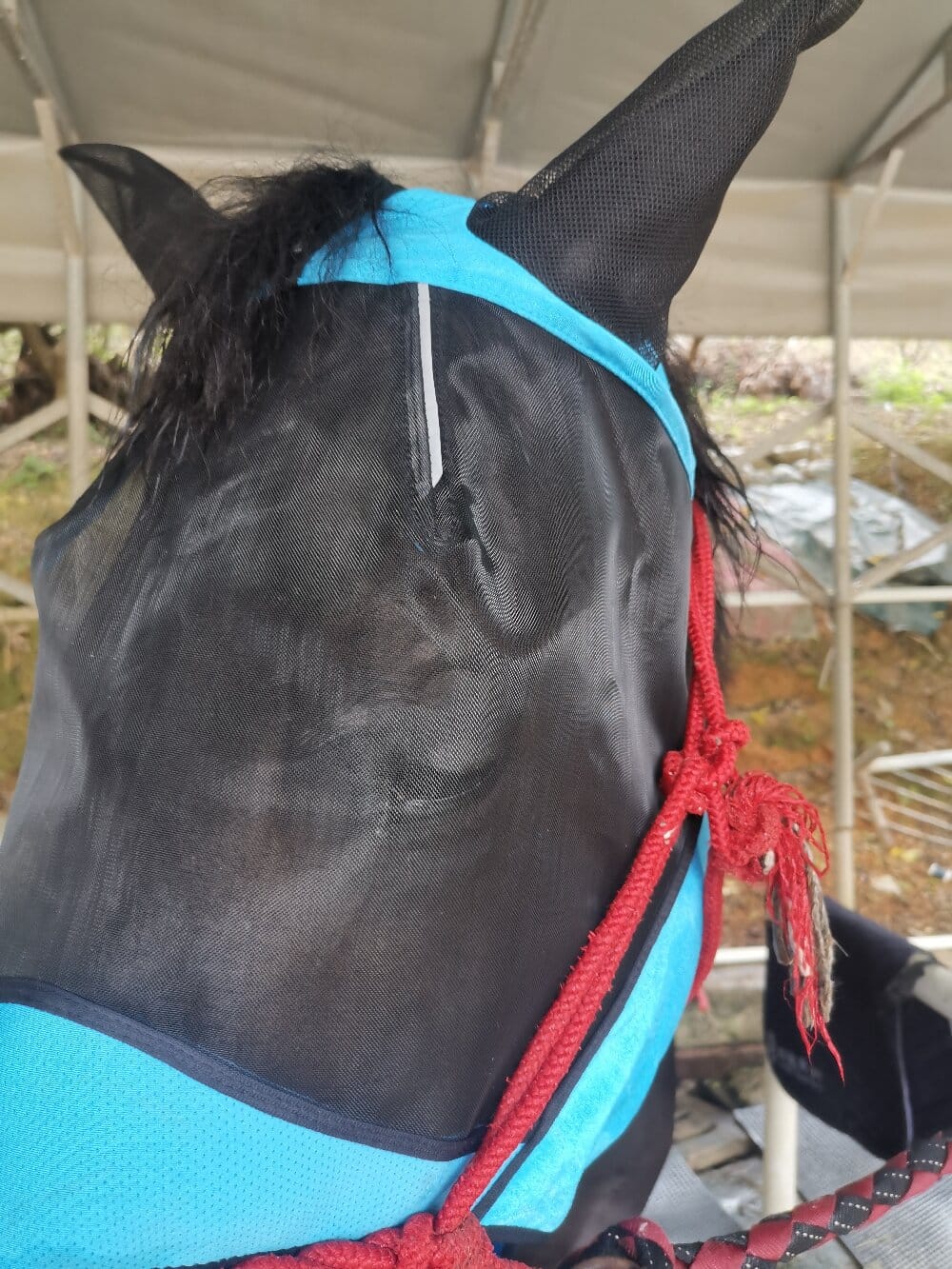
When you slip a horse fly mask over your equine partner’s ears, you are participating in a tradition that stretches back through centuries of human-animal partnership. Across cultures, from the nomadic horsemen of the Eurasian steppes to the pastoral farmers of medieval Europe, people have long recognized that protecting horses from biting insects is not merely a matter of comfort—it is a matter of respect, stewardship, and practical wisdom. Today, the horse fly mask carries that cultural weight forward, blending ancient insight with modern materials and design.
Why the Horse Fly Mask Matters Across Cultures
In many equestrian cultures, the relationship between a rider and a horse is understood as a covenant of care. You provide shelter, forage, and protection; the horse provides labor, companionship, and loyalty. The horse fly mask sits at the center of that covenant during the warmer months. In regions where horseflies, gnats, and stable flies are relentless—think of the marshlands of Ireland, the savannas of Africa, or the humid summers of the American South—the mask becomes an essential tool rather than a luxury.
Different traditions approach fly protection differently. Some cultures rely on herbal remedies and natural repellents passed down through generations. Others developed woven face coverings from local materials long before synthetic mesh existed. The modern fly mask for horses is a descendant of these practices, refined for durability and visibility while honoring the same principle: shield the sensitive eyes, ears, and muzzle from pests that cause irritation, infection, and stress.
Reading the Mask Through a Cultural Lens
When you look at a fly mask, you are also looking at a story about how different societies value animal welfare. In competitive equestrian circles, a well-fitted mask signals attentiveness and professionalism. In working horse communities, it signals pragmatism and economy. For leisure riders, it often signals affection—a small daily act of kindness. The same object carries different meanings depending on where and why you use it, which is precisely what makes it a fascinating cultural artifact as well as a practical piece of tack.
Consider these cultural dimensions of equine fly protection:
- Stewardship traditions: Many herding cultures treat insect protection as a seasonal ritual tied to grazing patterns and weather cycles.
- Craft heritage: Early masks were handmade from leather, canvas, and horsehair; today’s designs echo those shapes in breathable mesh.
- Sport and presentation: In show contexts, masks coordinate with other gear, reflecting pride in turnout and animal condition.
- Welfare awareness: Growing global attention to equine stress and eye health has made the fly mask a standard rather than an afterthought.
Choosing and Using Your Horse Fly Mask with Cultural Sensitivity
You can honor both tradition and modern best practice by selecting a mask that fits well and suits your horse’s environment. Look for styles that cover the eyes without rubbing, protect the ears where flies cluster, and allow airflow during hot weather. If you ride in areas with strong sunlight, consider masks with UV-blocking fabric—a modern update on an old idea. Rotate masks for cleanliness, check stitching and straps regularly, and introduce the mask gradually so your horse associates it with relief rather than restriction.
Conclusion
The horse fly mask is more than a piece of protective equipment; it is a living link between cultural traditions of animal care and contemporary equine welfare. By understanding its history and using it thoughtfully, you join a long line of caretakers who believe that protecting a horse’s comfort is a mark of respect. Whether you are a seasoned rider or a new horse owner, that small mesh veil carries centuries of wisdom—and it keeps your partner comfortable all season long.