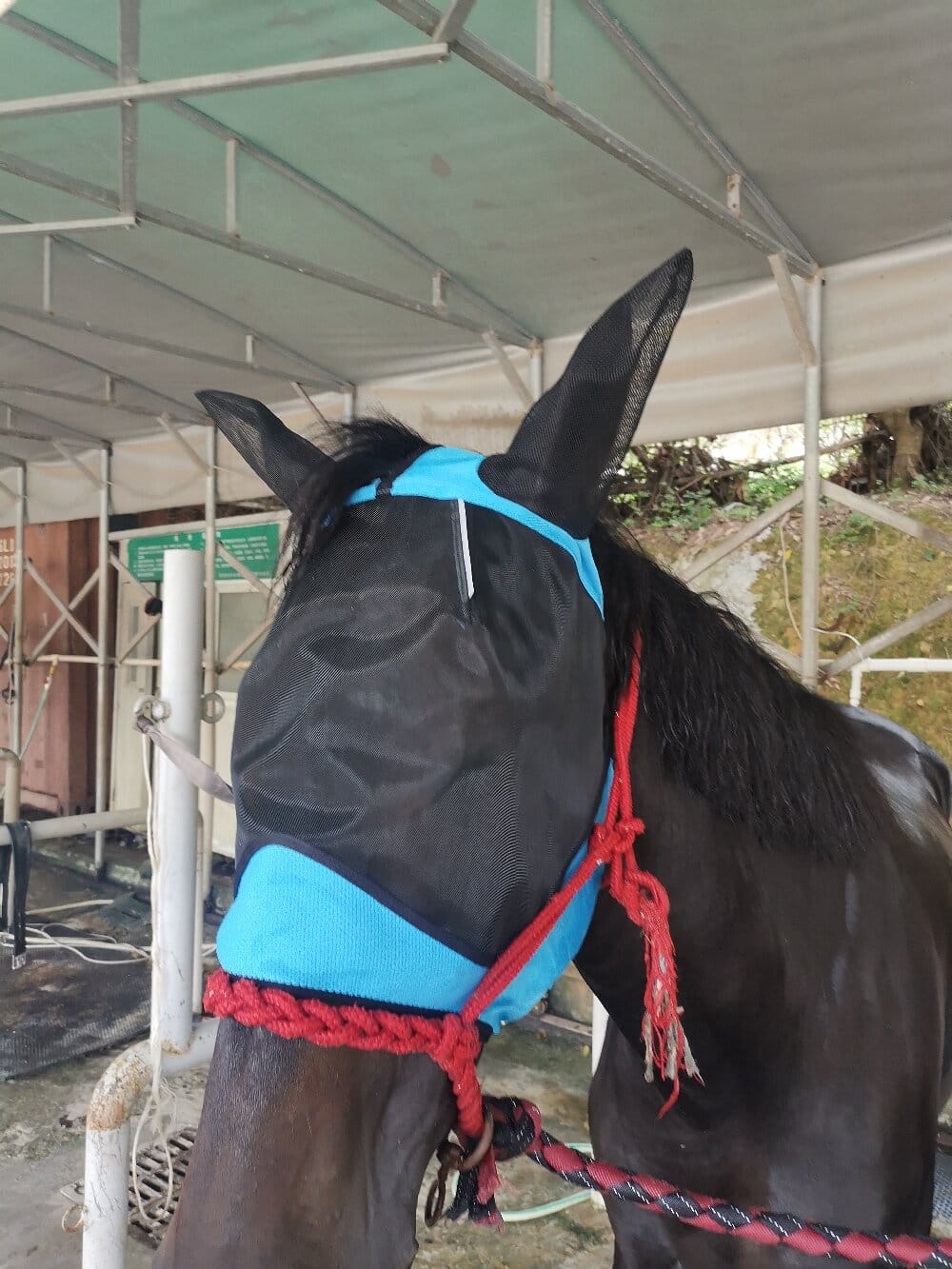
When we think of a horse fly mask, we usually picture a practical piece of equestrian gear—a breathable mesh shield that keeps pests away from a horse’s sensitive eyes and ears. But look a little closer, and you’ll find that this humble piece of tack carries surprising cultural weight. Across ranches, riding schools, and show grounds, the fly mask has become more than a barrier against insects; it is a small symbol of how humans and horses have learned to live together, season after season, with patience and care.
Why the Horse Fly Mask Matters Beyond the Barn
From a cultural perspective, the fly mask reflects a deeper story about stewardship. Horse owners don’t buy these masks simply because they are convenient—they buy them because they signal responsibility. In many equestrian communities, seeing a horse turned out in a well-fitted fly mask tells you something about the person who cares for it: that they pay attention, that they plan ahead for fly season, and that they treat their animals as partners rather than possessions.
There is also a folk wisdom embedded in the gear itself. Older riders often recall improvised versions—fringes, netting, even homemade ear covers—passed down through generations of barn culture. The modern horse fly mask is the polished descendant of those improvisations, and using one connects a rider to a long tradition of practical creativity.
Design, Ritual, and the Seasons of Riding
Culturally, the fly mask also marks time. In many regions, putting masks on in late spring and taking them off in early autumn has become a seasonal ritual, as reliable as blanketing in winter. This rhythm ties equestrians to the natural world and to the cycles of their local environment. The mask becomes a calendar made of mesh and fleece.
Design choices reflect regional identity, too. In hot, humid climates, riders favor light, breathable fabrics and UV-blocking materials. In drier, windy areas, durability and dust resistance matter more. Some show cultures prefer sleek, dark masks that blend with the bridle path; others embrace bright colors and patterns that echo local craft traditions. The horse fly mask, in other words, is never just functional—it is expressive.
Practical Wisdom for Choosing a Horse Fly Mask
If you’re new to equestrian life, here are a few culturally rooted tips that experienced riders tend to share:
- Fit matters more than fashion: a mask that rubs or slips can cause more harm than good.
- Check ear and eye clearance regularly, especially during growth spurts or coat changes.
- Rotate masks and wash them often—cleanliness is part of good barn culture.
- Watch how your horse behaves: acceptance is the truest sign of a well-chosen fly mask.
A Small Shield with a Big Story
In the end, the horse fly mask deserves more credit than it usually gets. It is a practical tool, yes, but it is also a cultural marker—a sign of care, a seasonal ritual, and a reflection of local identity. Understanding it this way helps us appreciate the quiet traditions that shape everyday equestrian life. Whether you’re a seasoned rider or simply curious about barn culture, the next time you see a horse wearing one, you’ll recognize it for what it is: a small shield with a big story.