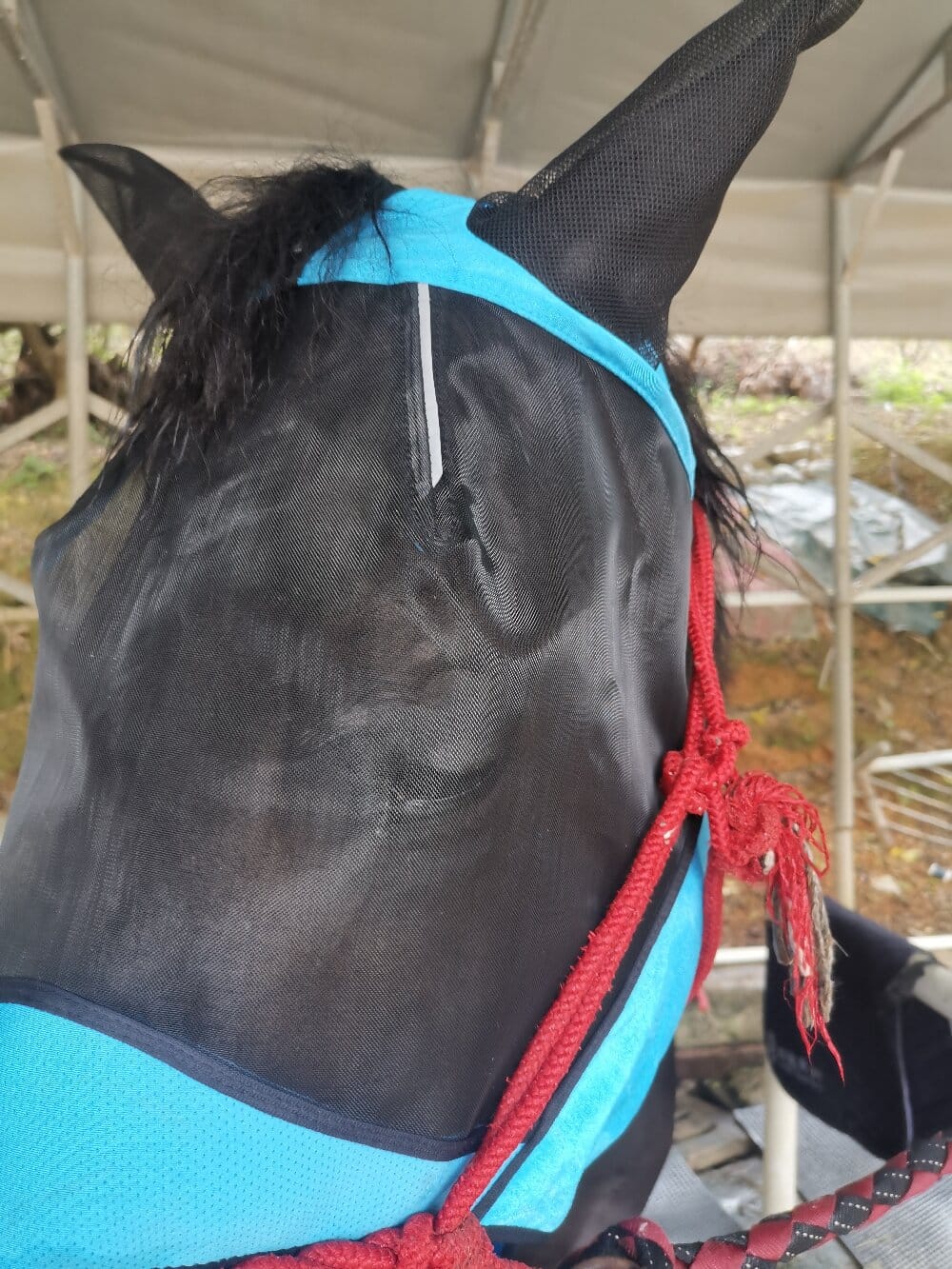
Across equestrian cultures, the horse fly mask is far more than a piece of protective gear; it is a small window into how different societies understand the relationship between humans, animals, and the natural world. From the sunbaked paddocks of the American West to the misty stable yards of Ireland, this simple mesh veil carries layered meanings about care, status, and tradition. Exploring it through a cultural lens reveals how a practical object can reflect deeply held values about stewardship and the working partnership between horse and rider.
Why the Horse Fly Mask Matters in Different Traditions
In many rural communities, the fly mask is treated as a seasonal ritual object. Pasture managers in the United Kingdom often speak of “turnout season” as a time when masks come out of storage alongside fly sprays and fans, marking the rhythm of the year. In Mediterranean cultures, where heat and insects are intense, the mask is sometimes woven locally from breathable cotton, and older horsemen recall making them by hand from burlap and leather cord. These regional variations show that the object is shaped by climate, economy, and local craft knowledge rather than by a single global design.
Attitudes also differ by discipline. Endurance riders tend to favor lightweight, full-face fly masks with ear protection, viewing them as essential welfare equipment. Show barns, by contrast, may use sleeker styles that preserve a polished appearance, revealing an aesthetic dimension: the mask must protect without disrupting the visual presentation of the horse. In both cases, the choice reflects cultural priorities, whether performance, tradition, or presentation.
Care, Status, and the Ethics of Protection
From an anthropological standpoint, the act of covering an animal’s face is a gesture of responsibility. Cultures that emphasize animal welfare as a moral duty often treat the fly mask as a baseline of good husbandry. In contrast, some traditional working contexts regard it as optional, and the decision can signal access to resources, time, or labor. Observers of stable culture have noted that the quality and fit of a fly mask can quietly communicate a yard’s standards, functioning as a subtle status marker among owners and grooms.
There is also a symbolic reading: the mesh veil mediates the horse’s sensory world, reducing irritation while preserving sight. This balance between protection and freedom echoes broader cultural debates about how much humans should intervene in nature. The mask becomes a small negotiation between control and trust.
Design, Folklore, and Modern Practice
Historically, horsemen improvised protection from netting, fringe, and woven grass, and some of these techniques survive in regional craft. Modern manufacturing has standardized features such as UV-blocking fabric, fleece trim, and ear covers, yet folklore persists around certain colors and patterns believed to deter flies. Contemporary equine science supports ventilation and proper fit as the key welfare factors, and veterinarians caution against masks that rub or trap heat.
For today’s owners, practical guidance includes:
- Measuring the horse’s head accurately for a secure but comfortable fit.
- Checking daily for rubbing, moisture, and debris.
- Rotating masks for cleanliness and to reduce wear.
- Removing the mask during turnout in extreme heat if ventilation is poor.
These habits blend traditional observation with modern welfare standards, showing how the object continues to evolve.
Conclusion
The horse fly mask is a modest item with a surprisingly rich cultural life. It reveals how societies express care, status, and craft through everyday tools, and how practical objects carry the fingerprints of the cultures that shape them. Understanding these perspectives helps owners choose equipment thoughtfully while appreciating the deeper story stitched into every seam.