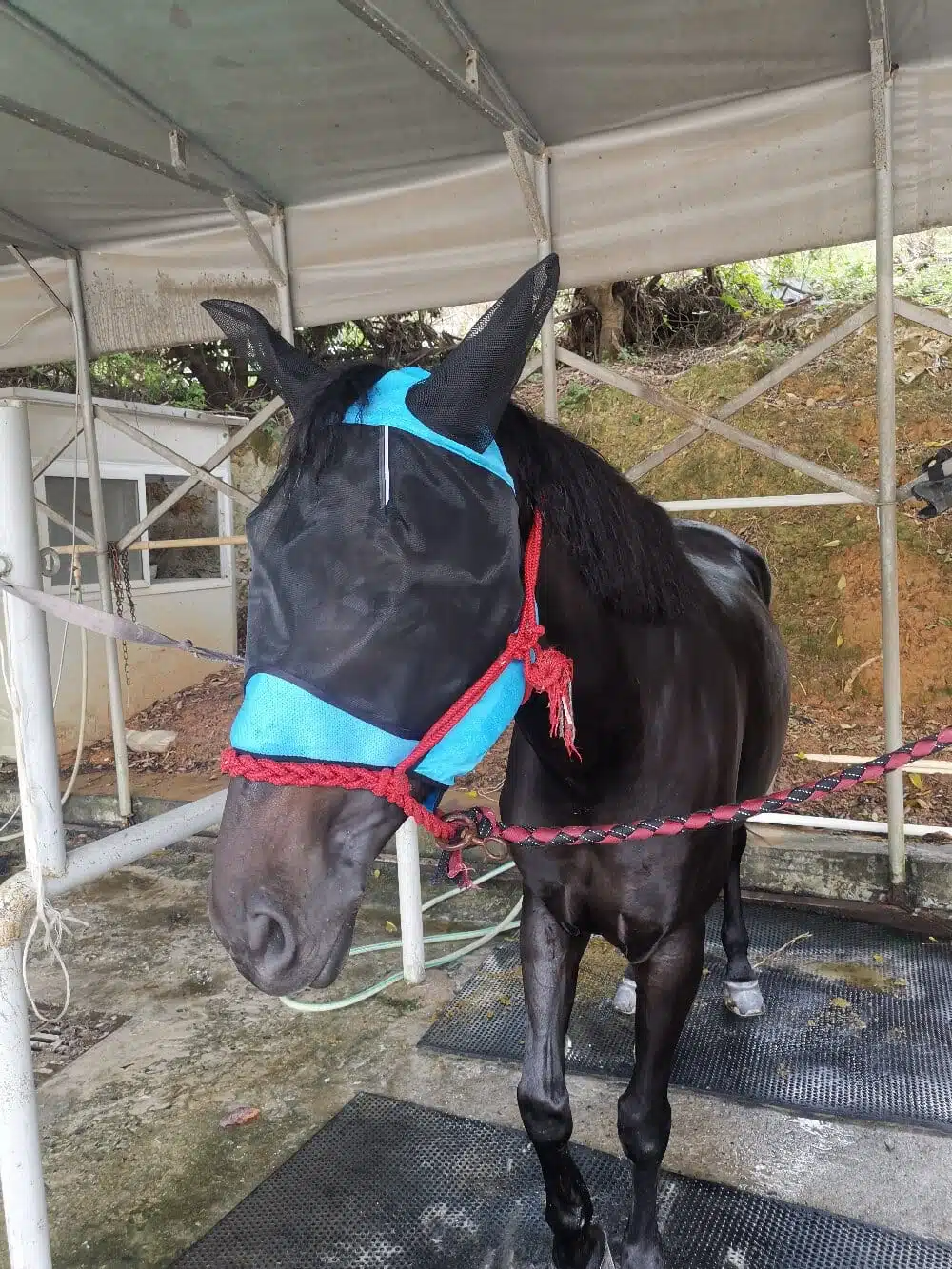

There’s something wonderfully old-world about the relationship between humans and horses—an alliance built on trust, sweat, and centuries of shared labor. Walk through any rural fair, a reenactment camp, or a modern equestrian center, and you’ll notice a piece of gear that quietly tells this story: the horse fly mask. In cultural terms, it’s far more than a piece of protective tack. It’s a small emblem of how we’ve learned to care for the animals that carry us, a nod to pastoral wisdom passed down through generations, and a reminder that good husbandry has always been about paying attention to the small torments as much as the grand ones.
In many farming communities, the arrival of summer flies once signaled weeks of improvised solutions—smudge fires, herbal washes, hand-brushed deterrents. The modern horse fly mask, with its mesh panels and fleece trim, is the descendant of that folk ingenuity. Seen through a cultural lens, it represents a shift in sensibility: from reacting to pests to anticipating them, from rough practicality to considerate design. In regions where horses are still working partners rather than hobby animals, a fly mask is often stitched and repaired at the kitchen table, patched with whatever fabric is on hand. That act of mending says as much about cultural values—thrift, tenderness, continuity—as any museum exhibit could.
Why the Horse Fly Mask Matters in Everyday Equine Life
Functionally, these masks shield sensitive eyes and ears from biting insects, reduce the spread of conjunctivitis, and ease the stress that constant buzzing creates. But the cultural perspective adds another layer: riders and handlers who use them often describe a kind of mutual calm. A horse that isn’t tossing its head against flies is a horse that can stand quietly while being groomed, shod, or saddled—rituals that bind human and animal together. In that sense, the mask supports the social fabric of the stable yard, not just the comfort of one animal.
- Protection: Fine mesh blocks flies, gnats, and debris while allowing airflow and visibility.
- Comfort: Soft edging prevents rubbing, especially during long turnout hours.
- Tradition: Styles vary by region—some cultures favor ear covers, others full-face veils—reflecting local climate and custom.
- Adaptability: Modern versions include UV-blocking fabric, a nod to changing environmental awareness.
Choosing and Caring for a Fly Mask with Cultural Sensitivity
Not every mask suits every horse, and seasoned owners will tell you that fit is a form of respect. A poorly sized mask can chafe or slip, defeating its purpose. Look for adjustable straps, breathable materials, and designs that accommodate the horse’s individual head shape. From a cultural standpoint, it’s worth asking who made the mask and how—small saddlery workshops and indigenous craft traditions still produce beautiful, durable pieces that honor local techniques. Caring for the mask matters too: rinse off dust, check seams regularly, and replace worn fleece before it irritates the skin. These small rituals echo the older rhythms of stable life, where equipment was cleaned and inspected as part of the daily round.
Conclusion: A Small Mesh, A Larger Meaning
The horse fly mask may look like ordinary tack, but it carries the quiet weight of cultural practice—proof that caring for animals is a language of its own, spoken through thoughtful design, repair, and daily attention. Whether you’re a lifelong equestrian or simply curious about the objects that shape human-animal bonds, this humble piece of gear deserves a second look. It protects eyes, yes, but it also protects a relationship built over centuries, one fly season at a time.