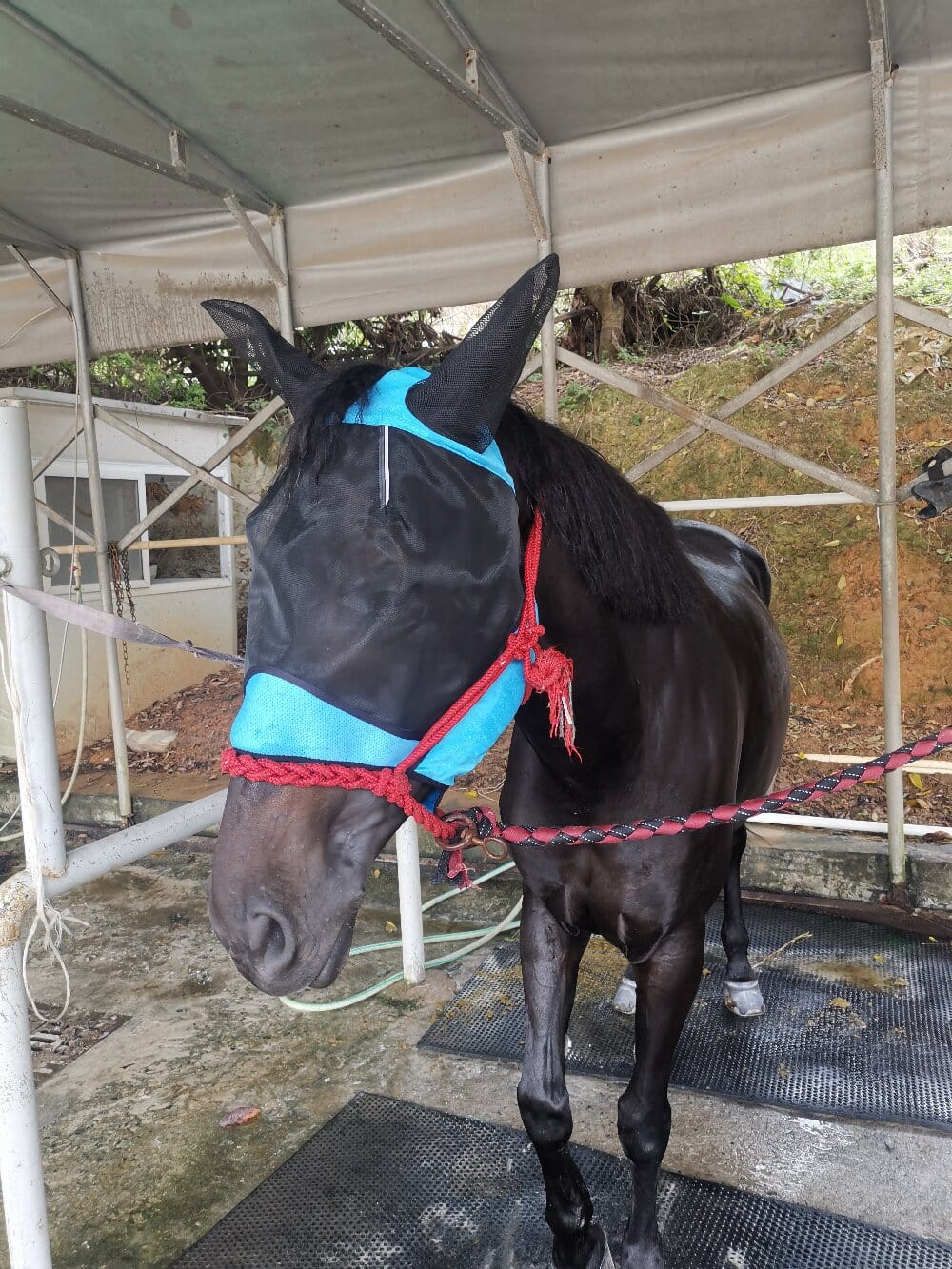
Across centuries and continents, humans have draped cloth, leather, and mesh over their horses not merely for utility but as an expression of care, status, and tradition. The horse fly mask, a seemingly simple piece of equestrian equipment, carries with it a rich tapestry of cultural meaning. From the sun-baked plains of the American West to the refined stables of English country estates, this humble veil reflects how different societies have understood the relationship between domesticated animals and the natural world. It is a artifact of stewardship, a symbol of the bond between rider and steed, and a practical answer to an age-old nuisance.
Why the Horse Fly Mask Matters in Modern Equestrian Culture
In contemporary equestrian communities, the horse fly mask has evolved from a purely functional item into a marker of knowledgeable horsemanship. Walk through any boarding stable or competitive barn, and you will notice the variety: some masks are utilitarian and dark, others are brightly colored with playful patterns. This diversity speaks to a cultural shift—owners now view protective gear as an extension of their horse’s personality and their own identity as caregivers. The mask shields sensitive eyes and ears from biting insects, reduces the risk of eye infections, and offers relief during turnout. But beyond the veterinary benefits, it signals that a rider understands the subtle language of equine comfort.
Historical Threads: From Ancient Fly Fringes to Modern Mesh
Long before synthetic mesh existed, ancient cultures devised their own answers to flying pests. Egyptian charioteers used fringed cloths to swat insects away from their horses’ faces. Medieval knights sometimes fitted their destriers with padded browbands that doubled as fly deterrents. The notion of a dedicated face covering emerged more clearly in the 18th and 19th centuries, when stable managers in Europe began sewing gauze over leather frames. Each iteration reflected the materials and priorities of its time. Today’s horse fly mask is a direct descendant of these experiments—a cultural through-line connecting pastoral traditions to modern materials science.
Regional Variations and Social Meaning
Different horse cultures treat the fly mask with distinct attitudes. In the United Kingdom, where turnout rugs and fly masks are standard summer kit, the mask is almost invisible in its ubiquity. In parts of southern Europe, by contrast, traditional breeders often prefer herbal remedies and hand-woven fringes, viewing synthetic masks as a newcomer. Among North American trail riders, a sturdy horse fly mask with ear covers is a badge of practical experience. These regional differences reveal deeper cultural values: a preference for tradition versus innovation, minimalism versus comprehensive protection, and the ongoing conversation about what constitutes “natural” care for domesticated animals.
- Function first: Eye protection and insect defense remain the primary drivers of use.
- Identity marker: Color, fit, and brand often reflect the owner’s equestrian subculture.
- Welfare signal: Consistent use is widely read as a sign of attentive ownership.
- Seasonal ritual: Putting on the mask marks the shift from winter stabling to summer pasture.
Rituals of Care and the Horse Fly Mask as Cultural Artifact
There is a quiet ceremony in the daily routine of haltering a horse and sliding a fly mask over its ears. For many owners, this gesture is a moment of connection—a whispered reassurance that the animal will be comfortable in the field. In therapeutic riding programs, the mask often becomes part of the horse’s predictable uniform, soothing anxious animals. Folk wisdom sometimes attributes almost talismanic qualities to a well-worn mask, as if the fabric itself absorbs the calm of repeated handling. Whether or not one believes in such charms, the ritual reinforces a cultural truth: protection is an act of love, and the tools we use become vessels for that sentiment.
Conclusion: A Small Veil with a Large Story
The horse fly mask is far more than a piece of mesh and binding. It embodies centuries of human-animal cooperation, regional identity, and evolving standards of welfare. As summer insects return each year, riders reach for this familiar shield, participating in a tradition that stretches from ancient fringes to modern stables. Understanding its cultural dimension enriches our appreciation for every thoughtful piece of tack—and reminds us that caring for horses has always been a shared human story.